


Introduction
This essay explores a path for revitalising Roman Catholic liturgical art by drawing inspiration from the successful reestablishment of the Byzantine iconographic tradition. It highlights how Russian Orthodox intellectuals, such as Pavel Florensky and expatriates like Leonid Ouspensky, developed a theology of icons to revive their sacred art, creating a model that has flourished in Orthodox and Byzantine Catholic churches. This approach, grounded in analysing historical traditions to derive guiding principles, serves as a template for the Roman Catholic Church to reconnect with its artistic heritage—encompassing iconographic, Gothic, and Baroque styles—to restore beauty and authenticity to its liturgical art.
Eastward Ho! First the story of how the Eastern Churches revitalised iconography
If I had been writing about sacred art 100 years ago for a Catholic readership, I would have ignored entirely any reference to traditional Byzantine art. Until the middle of the last century, the Roman Catholic world was largely unaware of or, at the very least, uninterested in Byzantine iconography. Anyone who knew about this art style was as likely as not a historian specialising in Byzantine studies, who considered it a throwback to a medieval past, anomalously preserved in Orthodox and Byzantine Catholic liturgies.
In recent decades, there has been a surge of scholarly and popular interest in the history and development of Byzantine and Eastern Orthodox iconography. This renewed fascination crosses religious boundaries, with Roman Catholics and Protestants also incorporating these sacred images into their homes and places of worship. To fully appreciate this change, we must first establish a clear understanding of what exactly the term "icon" means.
The word "icon" derives from the Greek word for "image." In the context of the 7th Ecumenical Council, the word was used generically to refer to any religious image without denoting a specific artistic style. However, the term is more commonly associated today with the distinct "iconographic style" of Byzantine and Eastern Orthodox sacred art. This style developed in the 5th century A.D.. It quickly became the standard stylistic prototype for Christian art across both Eastern and Western traditions. It remained the standard for the whole of Christendom until the 13th century. Perhaps surprisingly for some, many Western Christian artistic styles before the 13th century, such as Celtic, Hiberno-Saxon, Carolingian, Ottonian, and Romanesque, can be considered iconographic. It was with the development of the Gothic style, beginning in the 13th century, that we start to see a departure from the iconographic style in the West. In the Eastern churches, the iconographic style persisted for a longer period. It dominated until the incorporation of Western neoclassical styles of figurative art, particularly in Russia, in the late 17th and early 18th centuries.
If you read a contemporary book on iconography or attend an icon painting workshop, you will likely encounter what is generally referred to today as a ‘theology of icons’ and will often get the impression that this explanation of iconography, along with the iconographic style itself, has not changed since it was first developed in the 5th century. But this is not so.
The theological justification for the stylistic elements of the iconographic tradition - the ‘theology of icons’ - was developed relatively recently by Russian Orthodox intellectuals who were worried about the Westernisation of the traditional art being produced in Orthodox churches and were seeking to re-establish a purer style of sacred art that corresponded to the ancient Russian tradition. The leading figure in this Russian "renaissance" was the Orthodox priest and polymath Pavel Florensky (1882–1937). Despite being an Orthodox Christian priest, Florensky never left Russia (and Stalin eventually executed him in 1937).
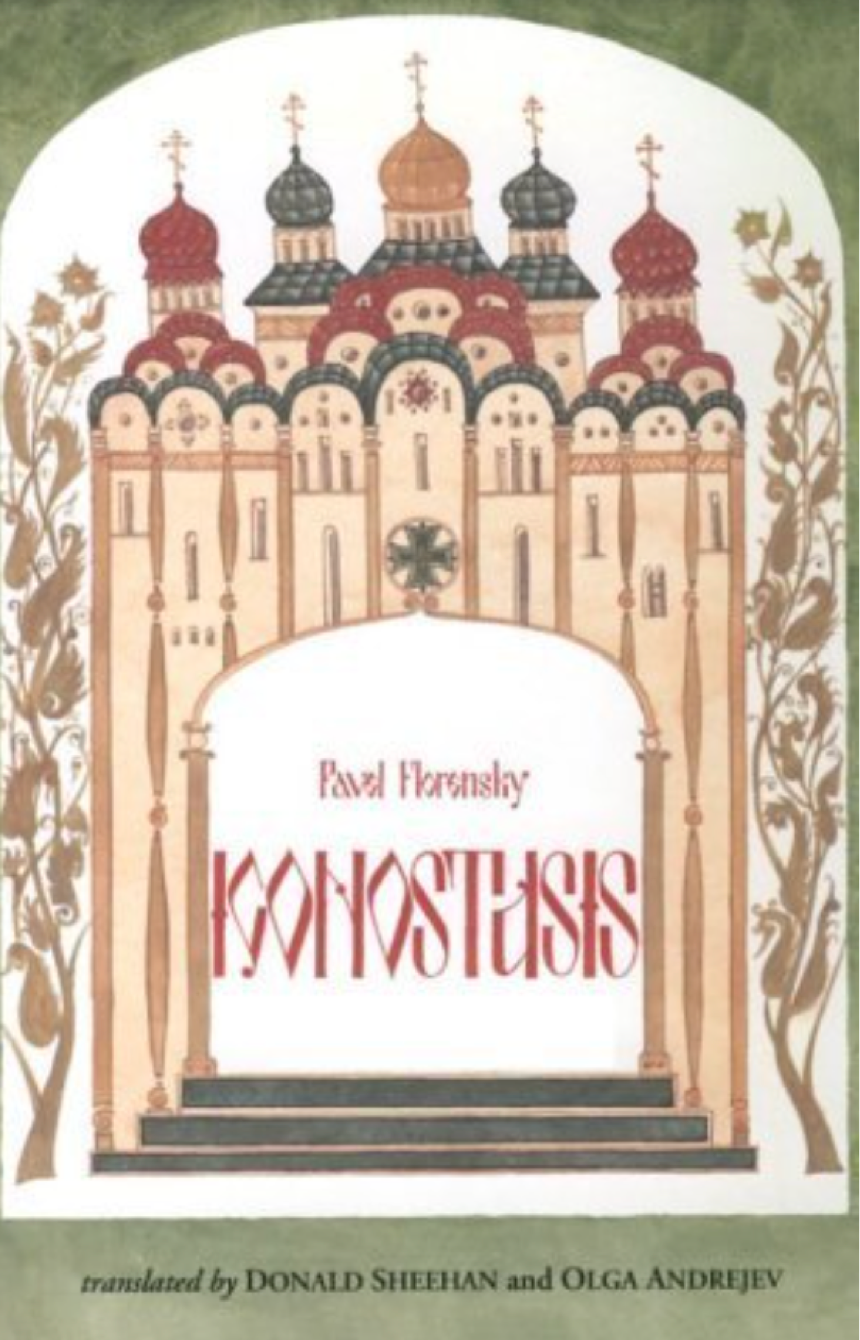
However, a prominent group of Russian theologians and painters, who were influential within the intellectual milieu of Orthodox Christian theology, left after the Bolshevik Revolution and ultimately settled in France. I am thinking here of the writers Leonid Ouspensky (who also painted icons), Vladimir Lossky, and Paul Evdokimov, as well as Gregory Kroug, the icon painter. Florensky’s writings were circulated amongst this group.
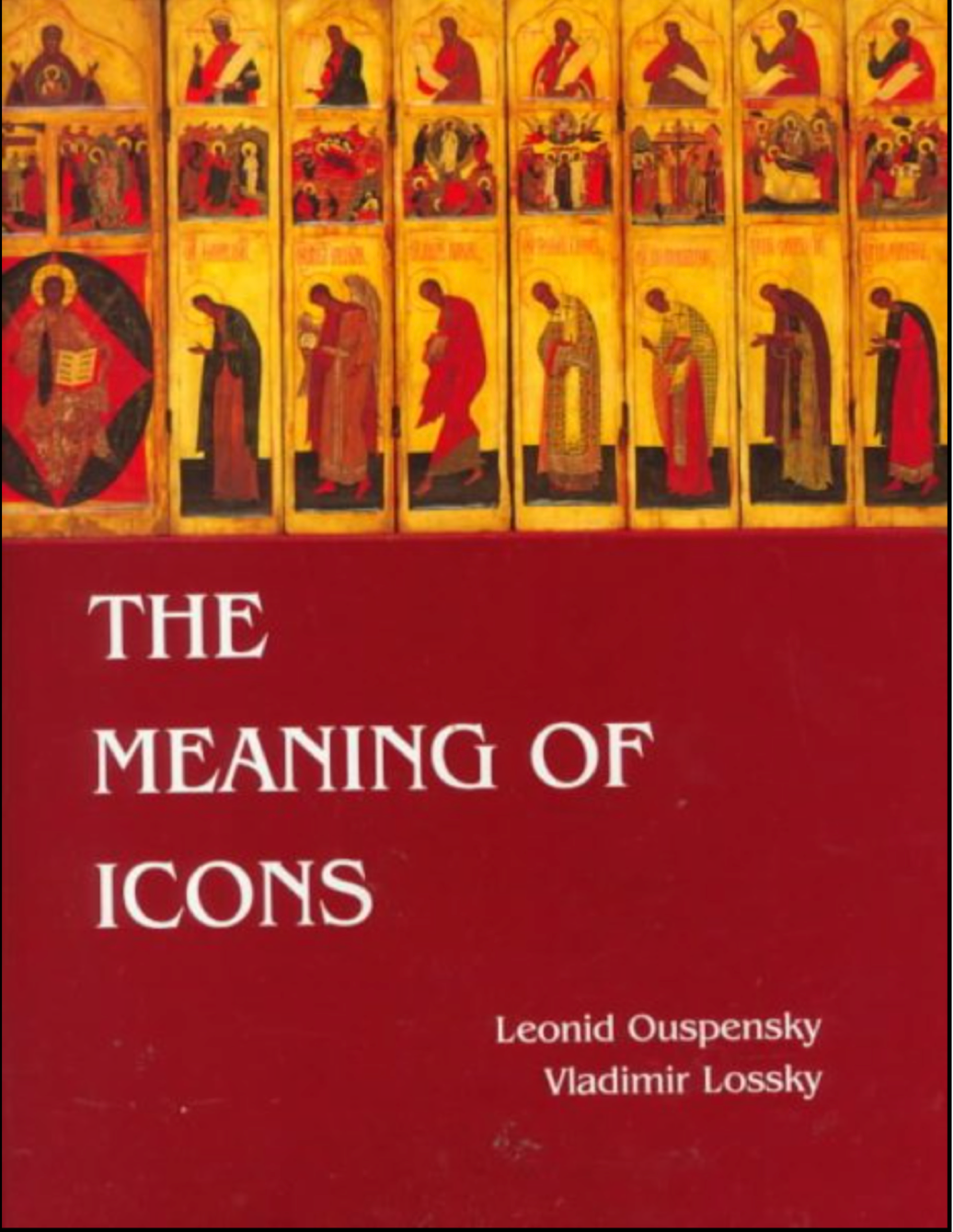
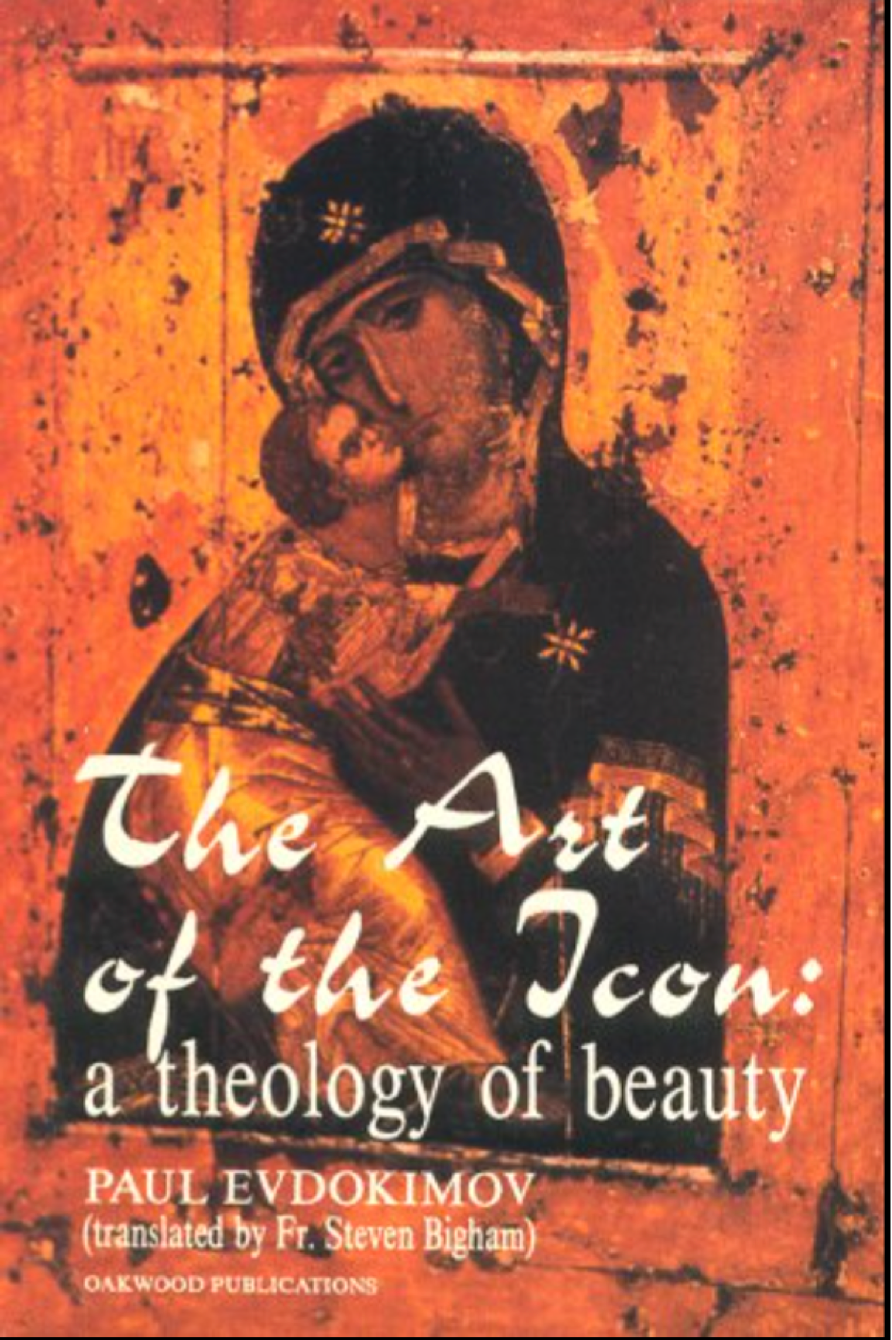
The goal of these expatriates was to re-establish traditional art forms of the Orthodox Church by creating a set of principles to guide contemporary artists. The result of this was that they took Florensky’s ideas and further developed them, leading to the emergence of a new theology of icons. This was a great achievement. The success of their work is evident in the surge in the number of people painting icons, which continues to this day and has influenced other Orthodox churches, such as the Greek Orthodox Church, the Coptic Orthodox Church, and the Byzantine Catholic churches. The best of these contemporary iconographers paint as well as any of the past masters. It is the beauty of these contemporary icons that stirred interest and made the iconographic style fashionable outside Orthodox and Byzantine Catholic circles today in the West.
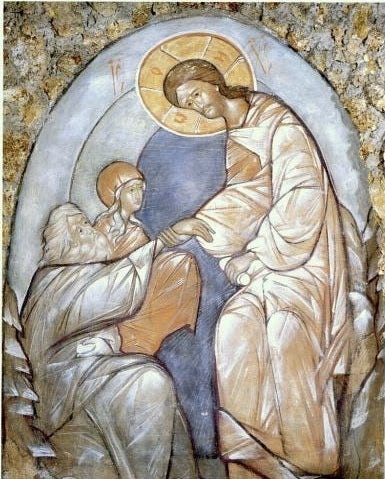
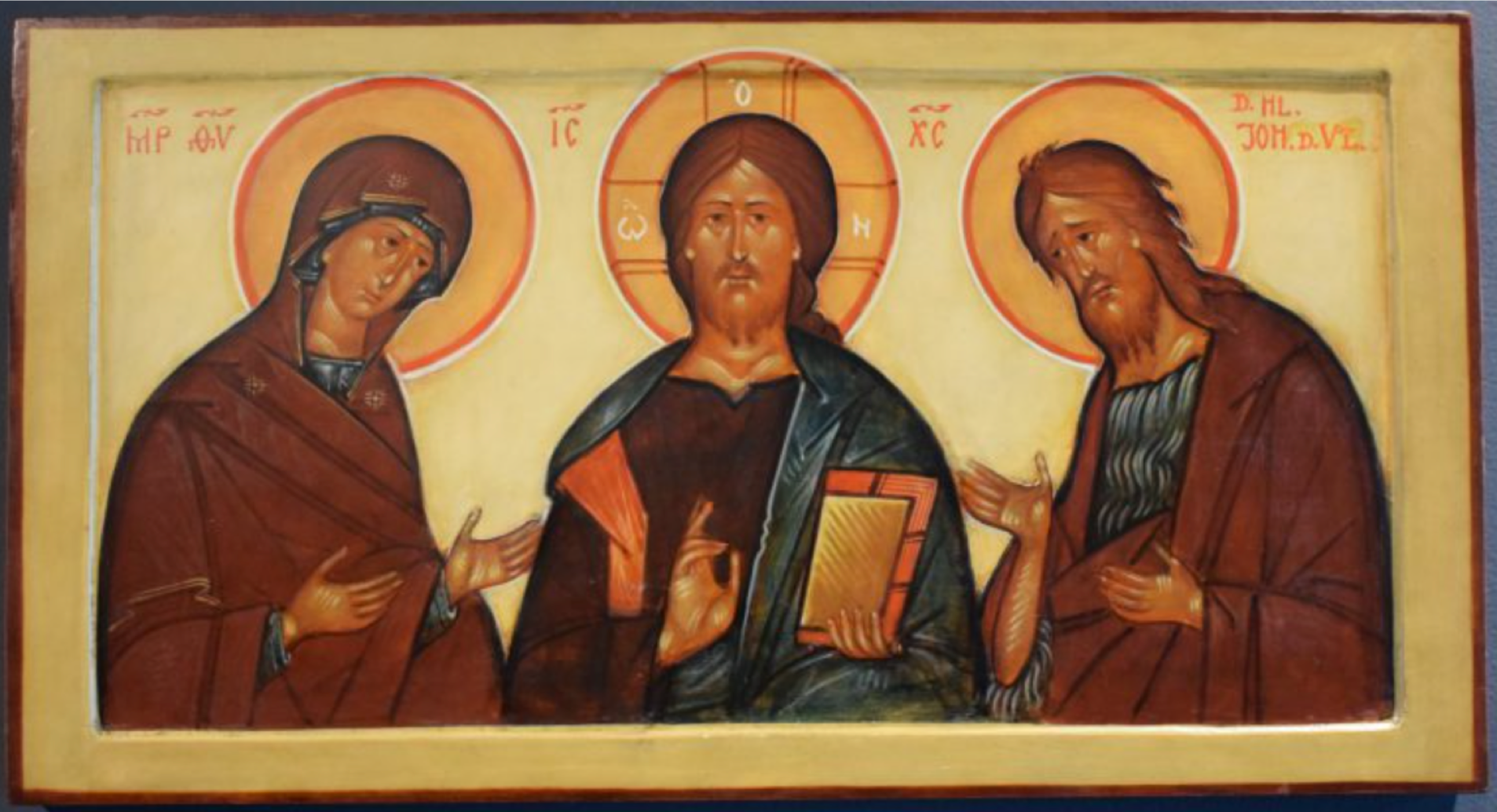
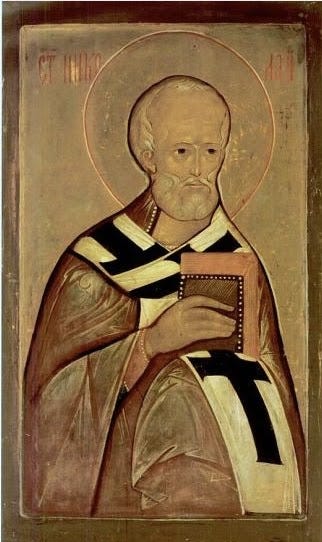
While the Russo-Byzantine style, as seen in Russian and Greek Orthodox churches, is perhaps the most well-known form of iconography, it is not the only variant. The Coptic, Armenian, and other Eastern Christian churches have all developed distinctive iconographic traditions, and the general picture is one of a renewal and flourishing of these associated iconographic traditions too.
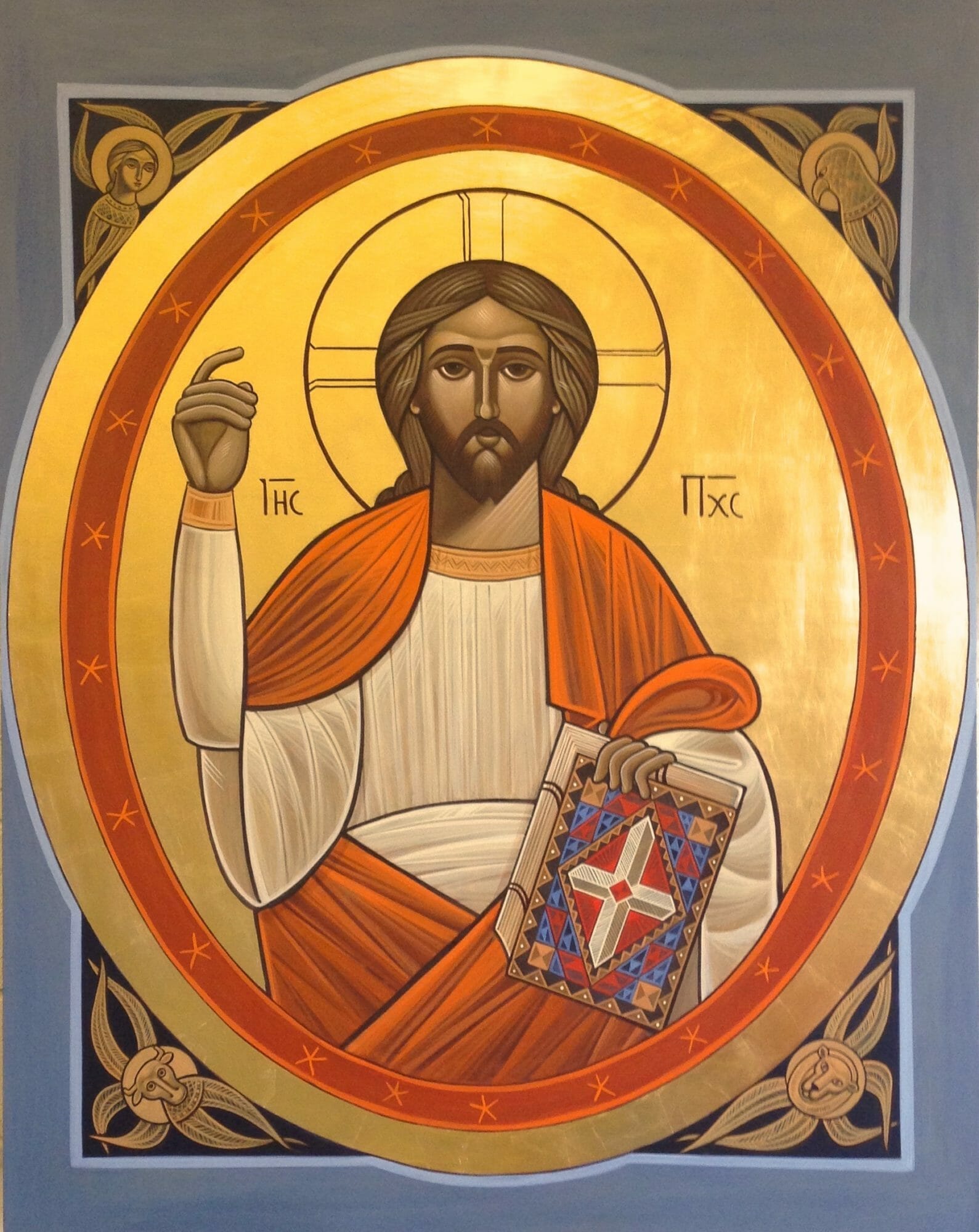
The incredible beauty of these new icons caught the attention of Roman Catholics (and Protestants). Western churches were experiencing a crisis of beauty and seemed unable to produce sacred art that wasn’t either ugly modernist or cheesy kitsch. Consequently, there was a hunger for authentic liturgical art. French Catholics, in particular, became aware of the hub of this iconographic renewal first, which was centred in Paris, France. Soon, Catholics and Protestants began to create icons as well.
This renewed enthusiasm for icons in the West has led to certain misconceptions, and iconography is often enshrouded in an artificial mystique.
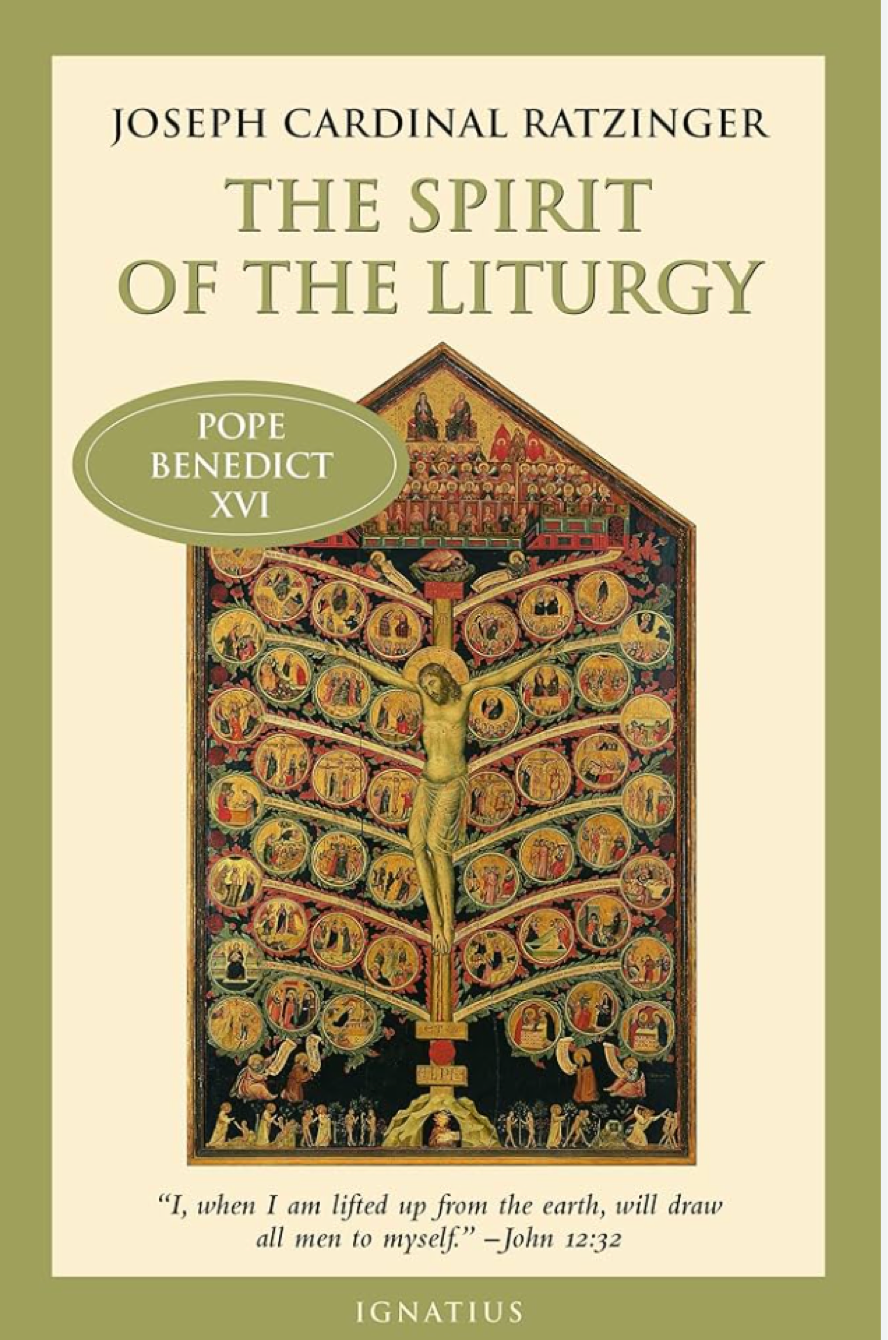
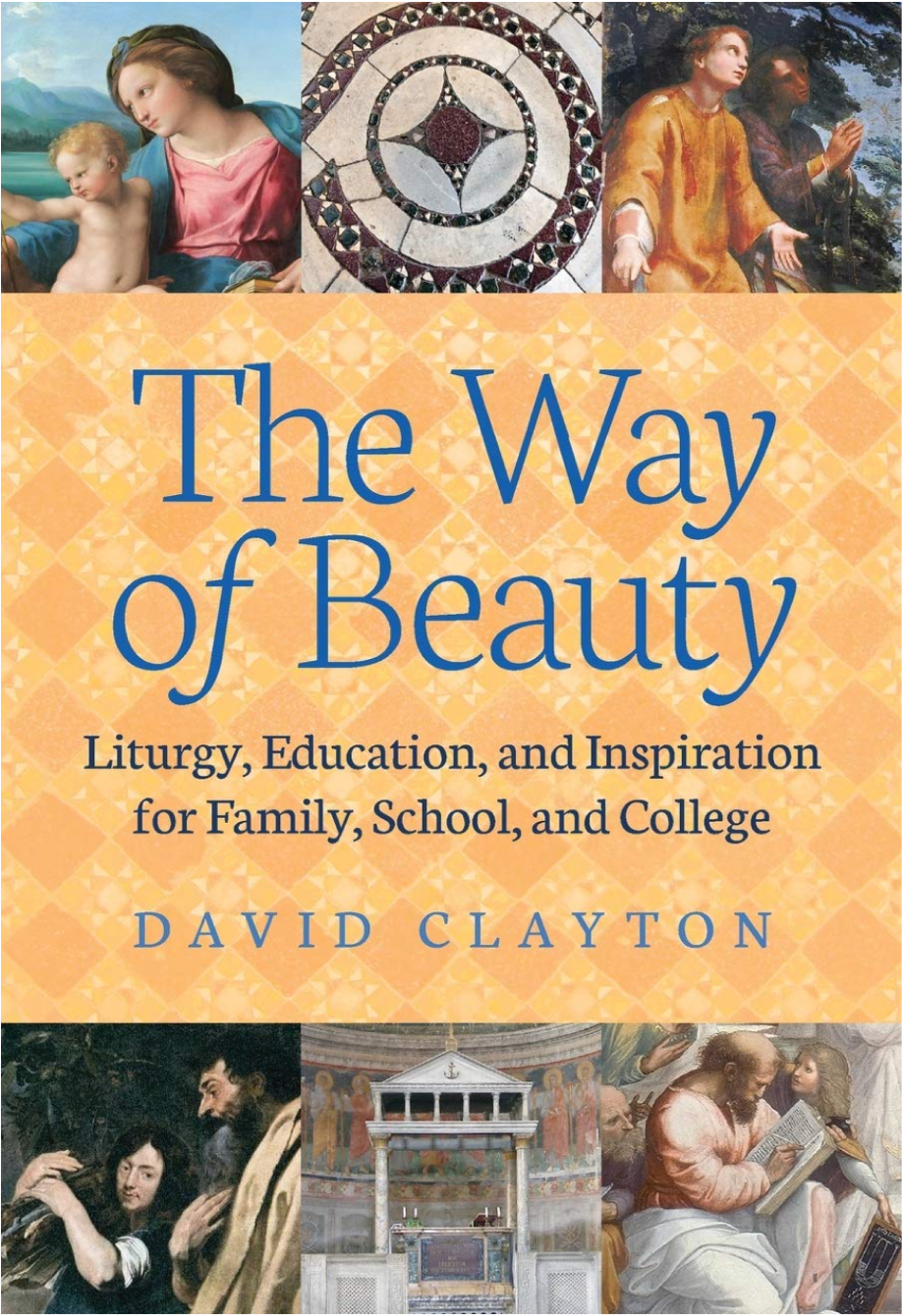
As Catholics, while acknowledging the validity of iconography and the theories that underpin its resurgence as a style, we should be cautious not to adopt all that these Russian theorists wrote. They were strongly prejudiced against Western naturalistic styles of art and baked this into their ideas. Catholics should not feel bound to accept, for example, the assertion that the iconographic style is the only valid form of liturgical art. As Benedict XVI wrote in his book, The Spirit of the Liturgy, and as I explain in my book, The Way of Beauty, the Gothic and Baroque styles, which are certainly not iconographic in form, can also be considered authentically liturgical forms.
Furthermore, the notion that iconographers "write" rather than "paint" their works is a contemporary idiom with no basis in tradition. Most iconographers, including those within the Orthodox tradition, simply refer to their craft as painting without any sense of diminishing its spiritual significance. As my teacher (who is Orthodox) put it to me: ‘When I dip a paintbrush into paint and apply it to the surface, it is called a painting. It doesn’t demean my art to describe it as such.’ Also, painting is not prayer, and prayer is not painting. They are two distinct activities…do I really need to explain that one?
Lessons for the Roman Church - How to Analyse Artistic Tradition So That We Can Reestablish Them in the Present
What the story of the successful reestablishment of the iconographic tradition in the East reveals is a method by which the West can replicate a similar approach with its distinct artistic traditions. According to Benedict XVI's analysis in his book The Spirit of the Liturgy, the Roman Catholic faith has become detached from both its past culture and contemporary culture. Similarly, just as in the Orthodox churches, the art in the Roman Catholic world declined during this period. The difference is that the Roman Catholic Church has not yet reestablished its traditional forms. In the past, Catholic culture was the dominant force in Western culture, and it can be again if it reconnects with its traditions.
So what can be done? Just as in the Eastern churches, there are no dogmatic truths relating to the style of art appropriate for the liturgy. The Seventh Ecumenical Council of 787 AD made arguments for the necessity of art, but it did not provide instructions on what that art should look like. In the past, artists who were immersed in vibrant religious culture absorbed the common practices of artists around them and passed them on by tradition. We are now disconnected from these traditions, so we need to analyse them as these Russian expats did for their traditions and develop a set of principles for each one. (Benedict XVI suggests that we look to the iconographic, Gothic and Baroque, remember.)
How can we do that?
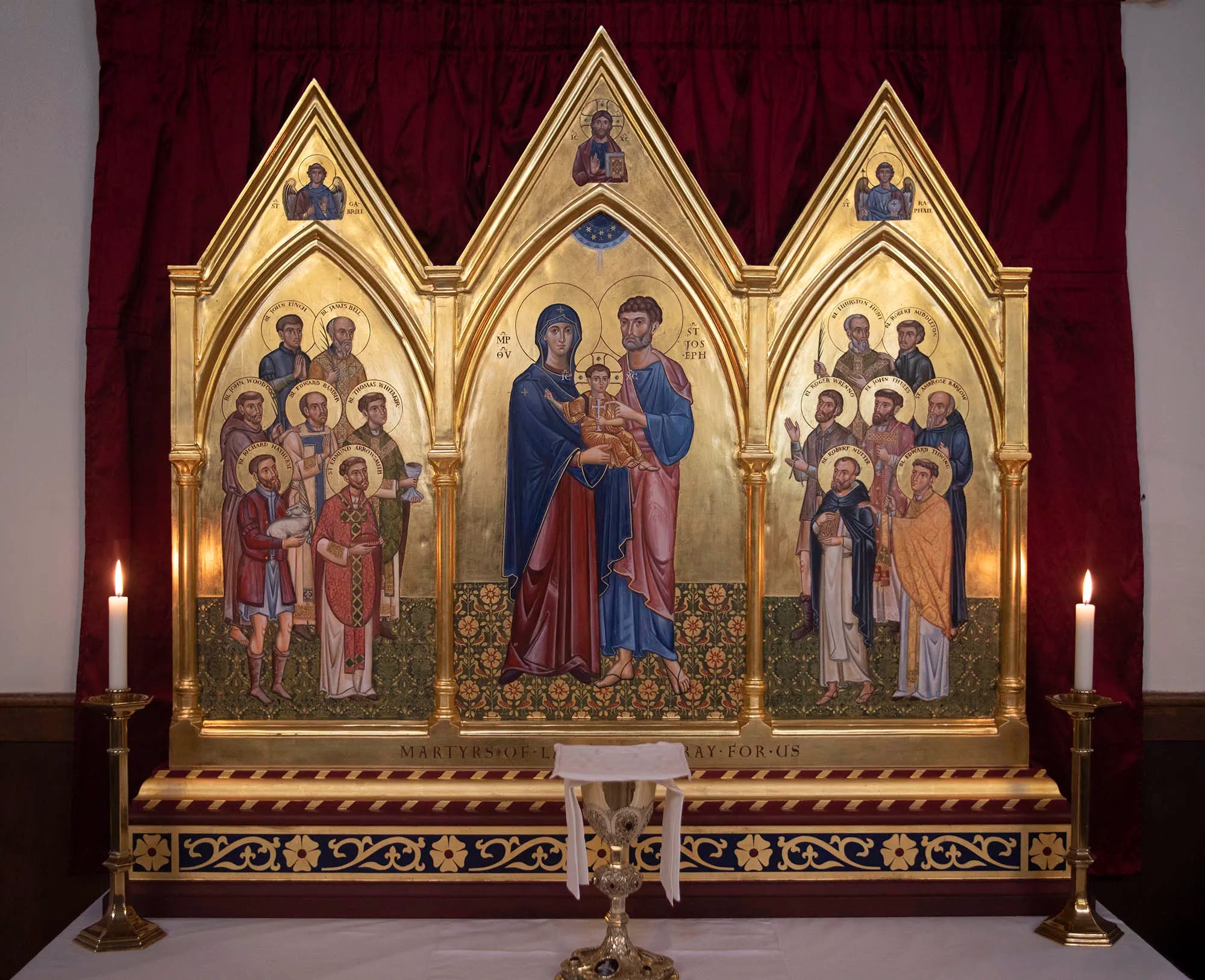
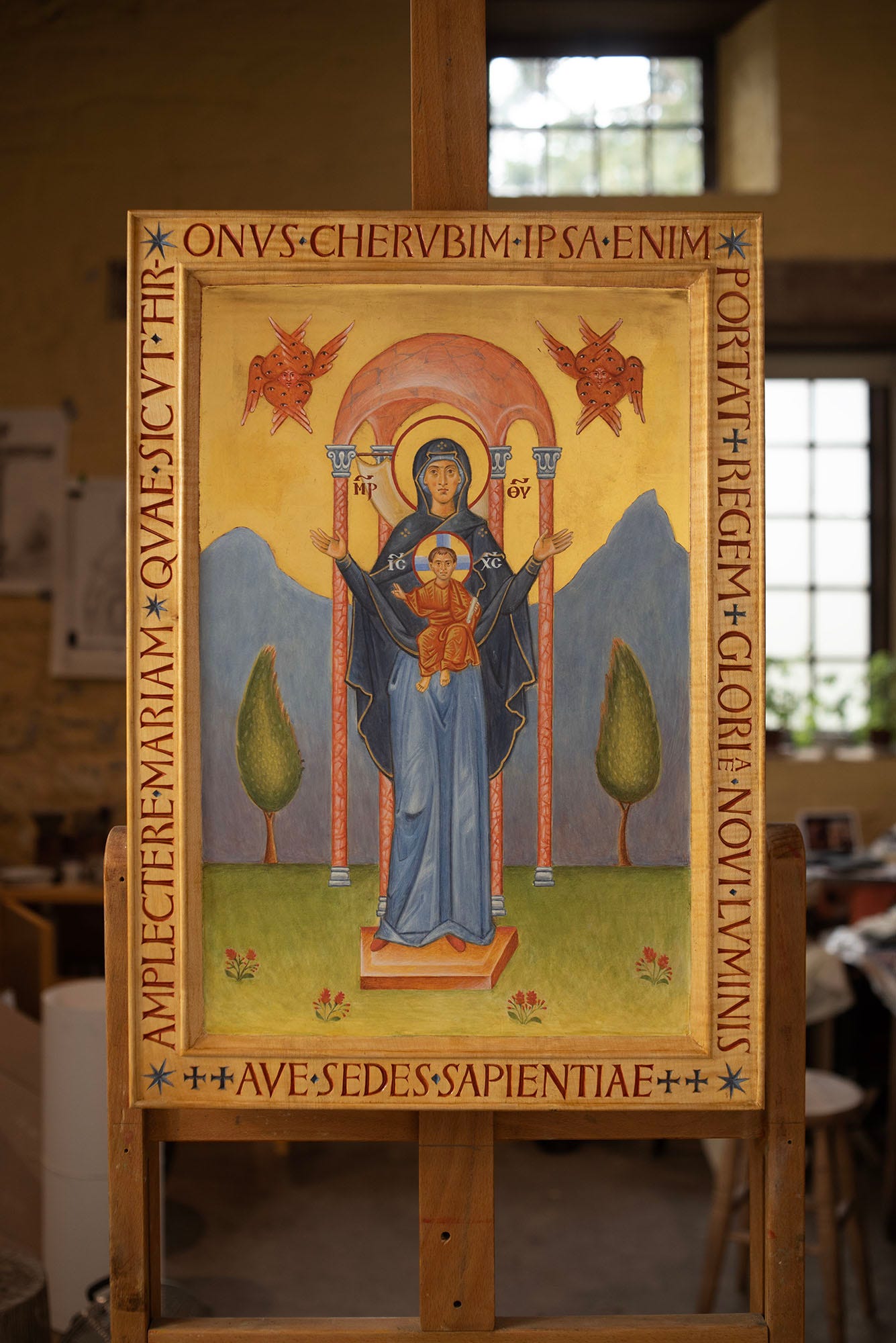
First, regarding iconography, we can legitimately build on the work of these noble Russians living in Paris and reestablish our Western forms of iconography, just as the Greeks and the Copts did with their iconographic traditions. This is already happening. We now have fully developed programs that teach iconography and which encourage Catholics as students, such as the Writing the Light school, in the US Roman Catholic iconographers are beginning to emerge, and one of the best today is Martin Earle, based in England. Here is an example of his work:
Then, concerning the Gothic and Baroque traditions, we can follow the Russian method. We first choose a canon of great images and analyse them in such a way that we develop a set of defining principles that can guide artists today, connecting theology to form and content. I did just this in my book The Way of Beauty, and here again, there are signs that these traditions are in early stages of redevelopment. The Stabat Mater Atelier in Tyler, Texas, for example, has applied the principles I describe and, under the guidance of its founder, the artist and teacher Robert Puschautz, is now taking commissions and training young artists in the Baroque tradition of liturgical art.
I am pleased to be personally connected to both the Writing the Light and Stabat Mater programs.
You might also be interested in 'Les Saintes Icônes' by frère Ephrem Yon OSB, a work with which I was associated in France in the late 80s: https://www.amazon.com/saintes-ico%CC%82nes-French-Ephrem-Yon/dp/2904057544
Thanks for writing, David. It's helpful for Catholics and Catholic artists to understand that liturgical art is not simply Byzantine-styled icons