


This is the first of two consecutive posts on the visual vocabulary of painting — the fundamental elements every artist works with, and how the way those elements are handled is what gives a painting its style, connects it to (or separates it from) a tradition, and marks it as the work of a particular individual. Next week’s post will take up line, tone, and color. This week, we begin with something that underlies all of those: the choice of medium.
The Visual Vocabulary
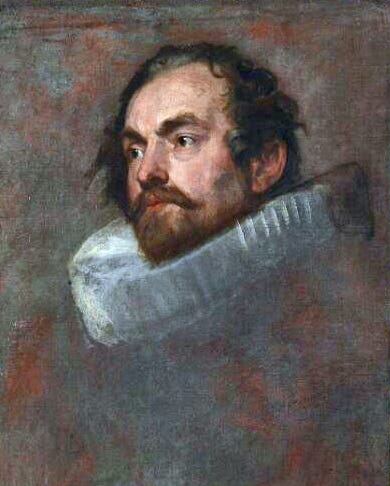
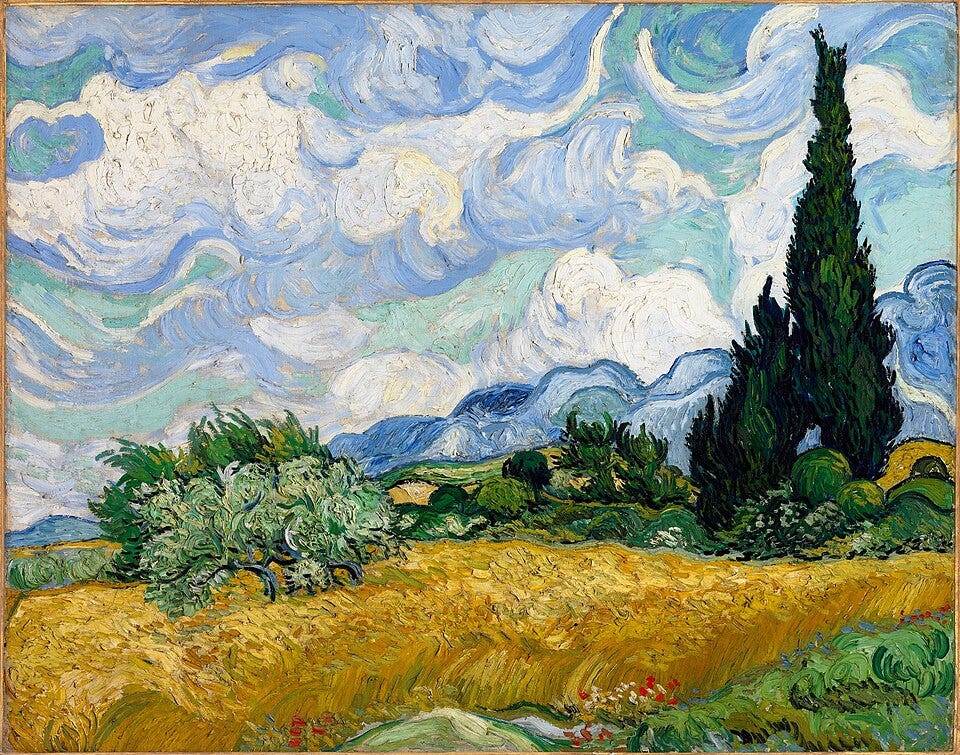
Every visual artist, whatever his tradition or period, works with the same basic elements: line, tone, color, and medium. What makes one artist instantly distinguishable from another is the characteristic way he handles these elements — how heavily he relies on line rather than tone, how boldly he uses color, how freely he allows edges to dissolve. At the same time, when artists within a given tradition handle these elements in broadly similar ways, that shared approach is what makes the tradition recognizable to us. Van Gogh is unmistakable among oil painters precisely because his way of deploying line, tone, and color is his own; yet we could also describe, in the same terms, what connects paintings to a particular tradition, such as the Baroque, the Gothic, or the iconographic. One might say that what melody, harmony, counterpoint, and the choice of instruments are to the composer of music, line, tone, color, and the choice of medium are to the visual artist.
We will discuss each of these in turn, starting with the choice of medium, since this shapes and constrains everything else.
Medium
Early in the process, the artist must decide on a medium. Very often, he will have spent years mastering one particular medium and will favor it throughout his career, based on a choice made early in training. The recommendation for an artist seeking mastery is to focus on one medium primarily, and then, once it is thoroughly understood, to adapt what has been learned to other media. The artist who masters egg tempera first will find it easier to incorporate mosaic, fresco, and even carving into his skill set. The very best artists are capable across many media, but some stay focused on their one favored medium throughout their lives.
For the painter — the example I will use throughout this discussion to illustrate points that apply more generally — oil, watercolor, mosaic, fresco, and so on look very different and have distinct qualities that make them appropriate for some works but not for others.
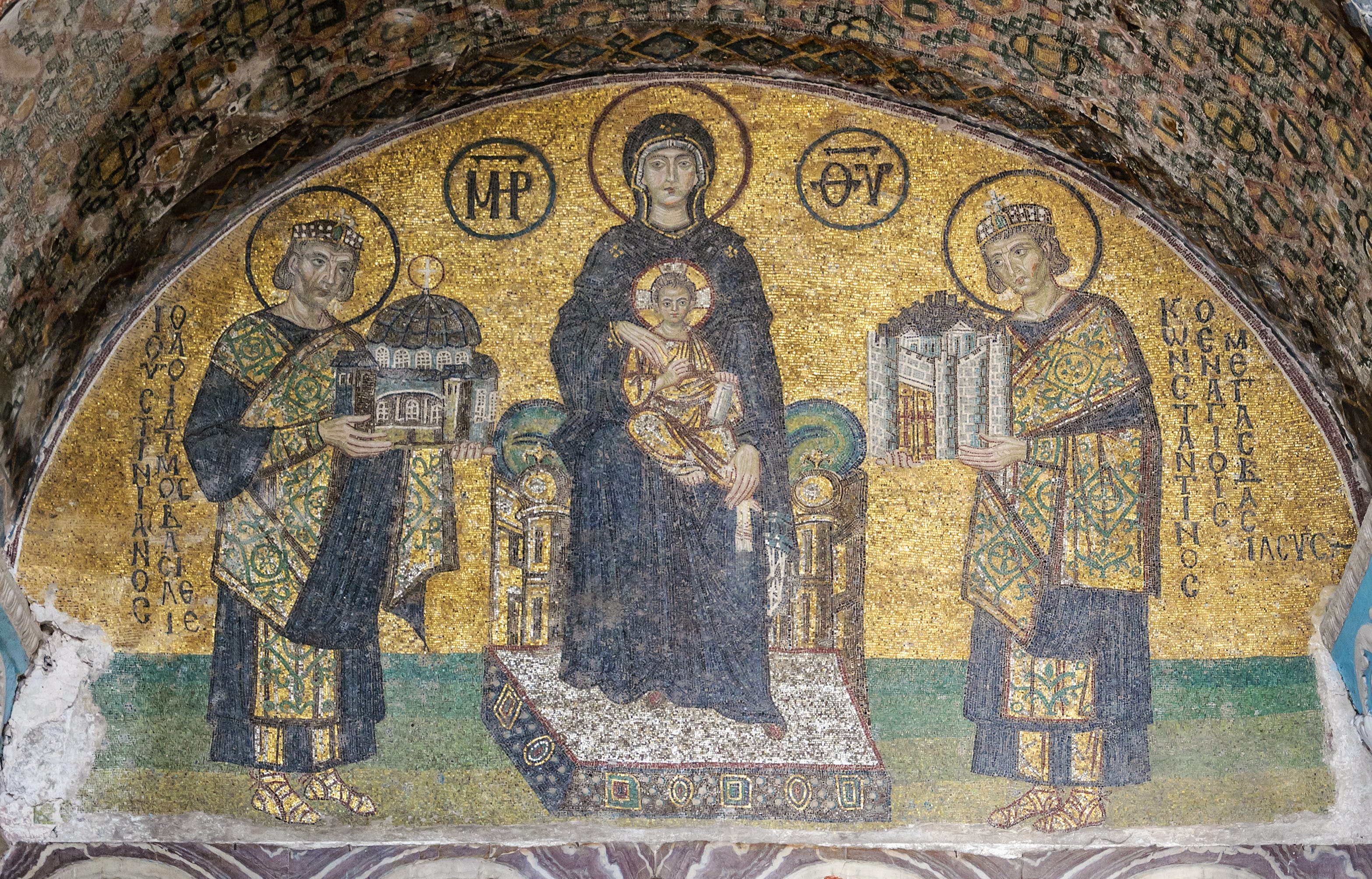
In nearly every type of paint, the source of color is the same. Yellow ochre, for example, is an iron oxide formed naturally and dug out of the ground. To use it, the artist must find a way to get it to adhere to his chosen surface. He does this by placing the pigment in a binding medium that is sticky enough to hold the particles of color and fix them to the surface, and transparent enough for the pigment to remain visible once dry. Placing the pigment into a medium in this way is called tempering. If the medium is egg yolk, the paint is called egg tempera. Oil paint results from tempering pigment with linseed oil. Acrylic paint uses a chemically derived plastic as its binder. For watercolor, the binder is gum arabic. Encaustic suspends pigment in warm liquid wax, which solidifies as it cools. In mosaic, pigment is held within small solid lumps of ceramic or glass — called tesserae — which are embedded in wet plaster to create a pixelated image. In fresco, pigment is suspended in water and applied directly to wet plaster; as the plaster dries, it bonds chemically with the pigment, making the painting part of the wall’s structure. In every case, regardless of medium, the color yellow ochre is produced by finely ground particles of yellow iron oxide. These are some of the more traditional media; new ones are constantly being developed.
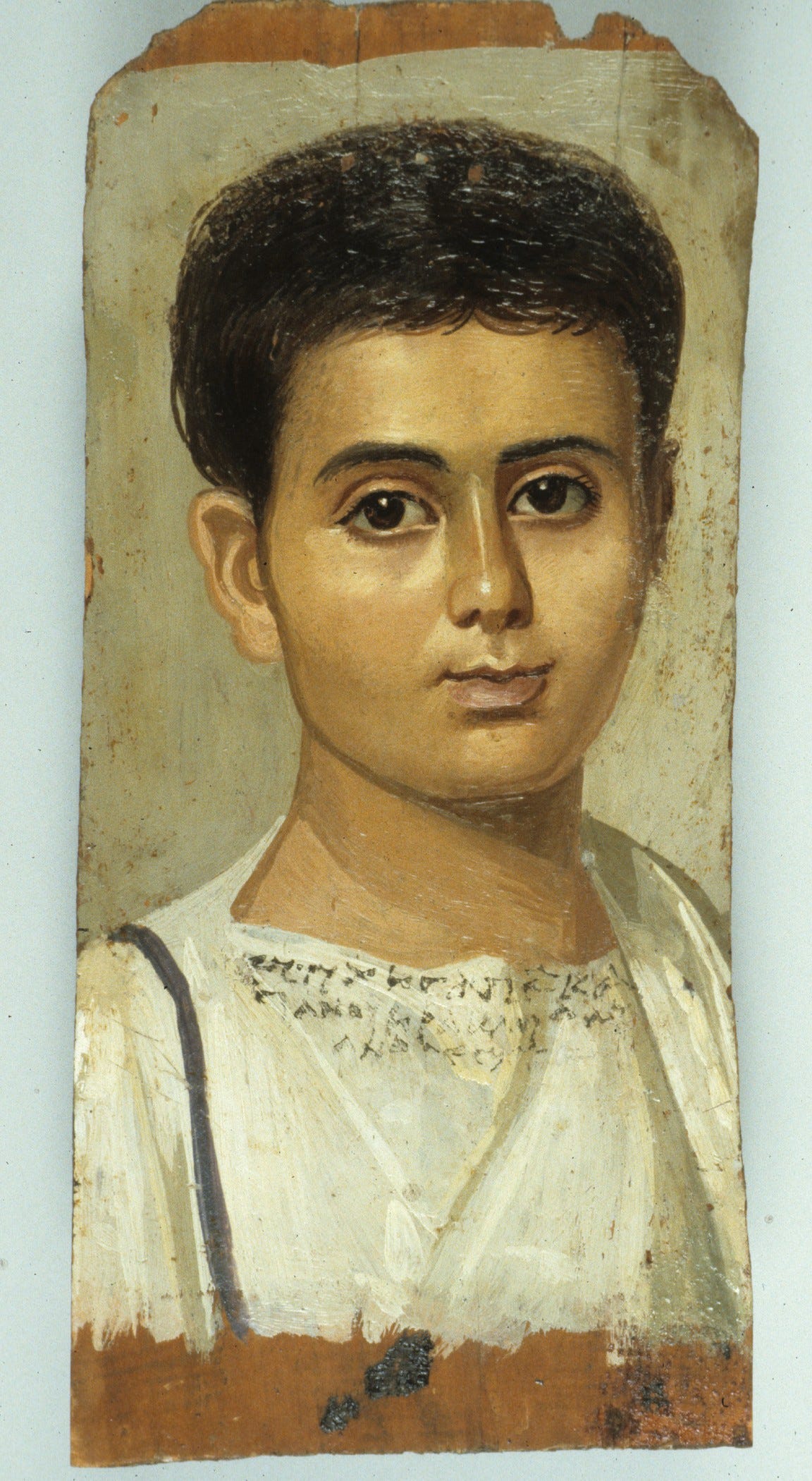
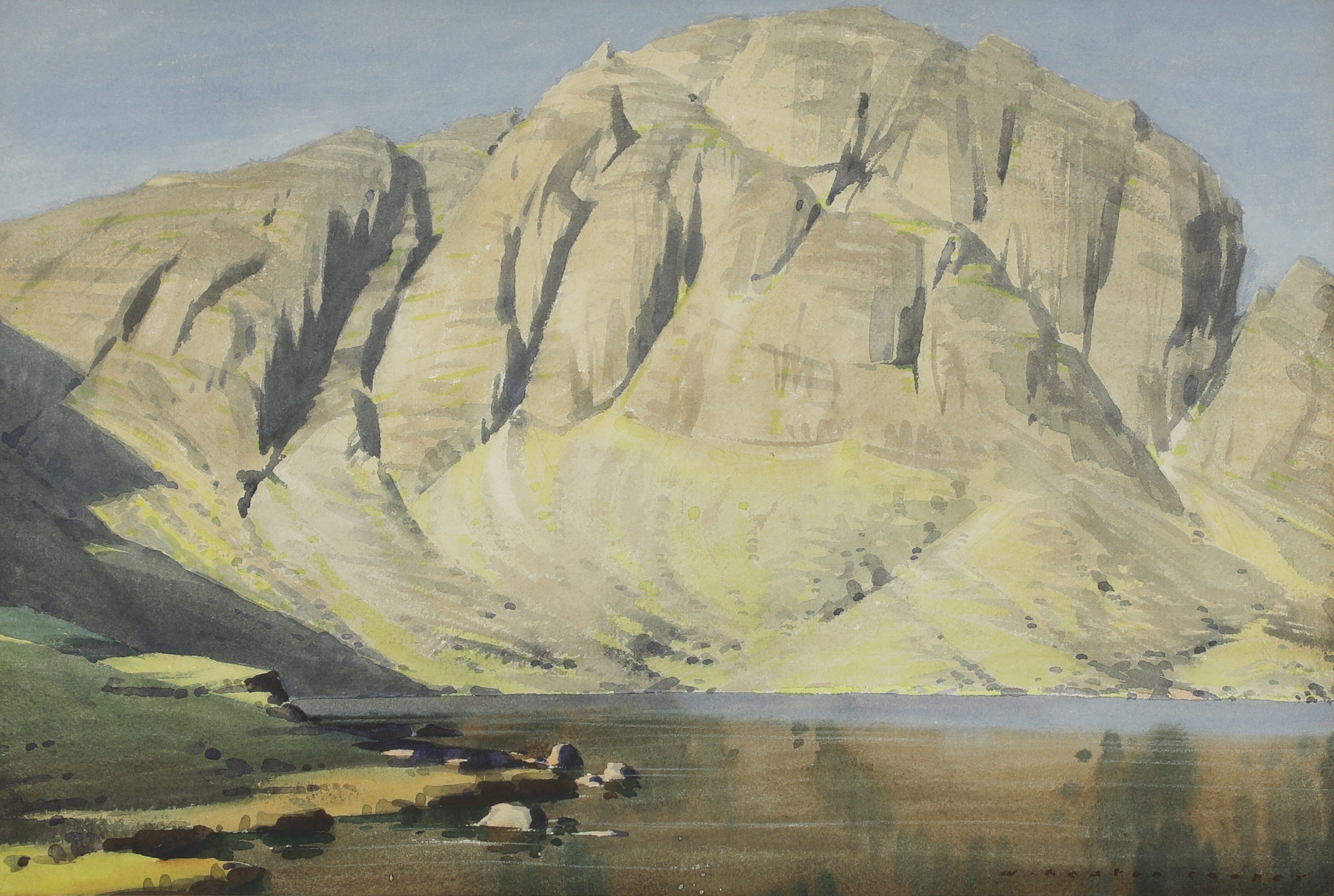
Each has distinct practical properties related to the binding medium, and those properties determine what a given medium is suited for. To begin with, each medium interacts with and reflects incident light differently, and this profoundly affects how it looks. We can easily distinguish yellow ochre watercolor paint from yellow ochre oil paint, for example, because their optical properties differ: one looks pale and colors subtly, letting the paper substrate show through, while the other looks rich and deeply colored.
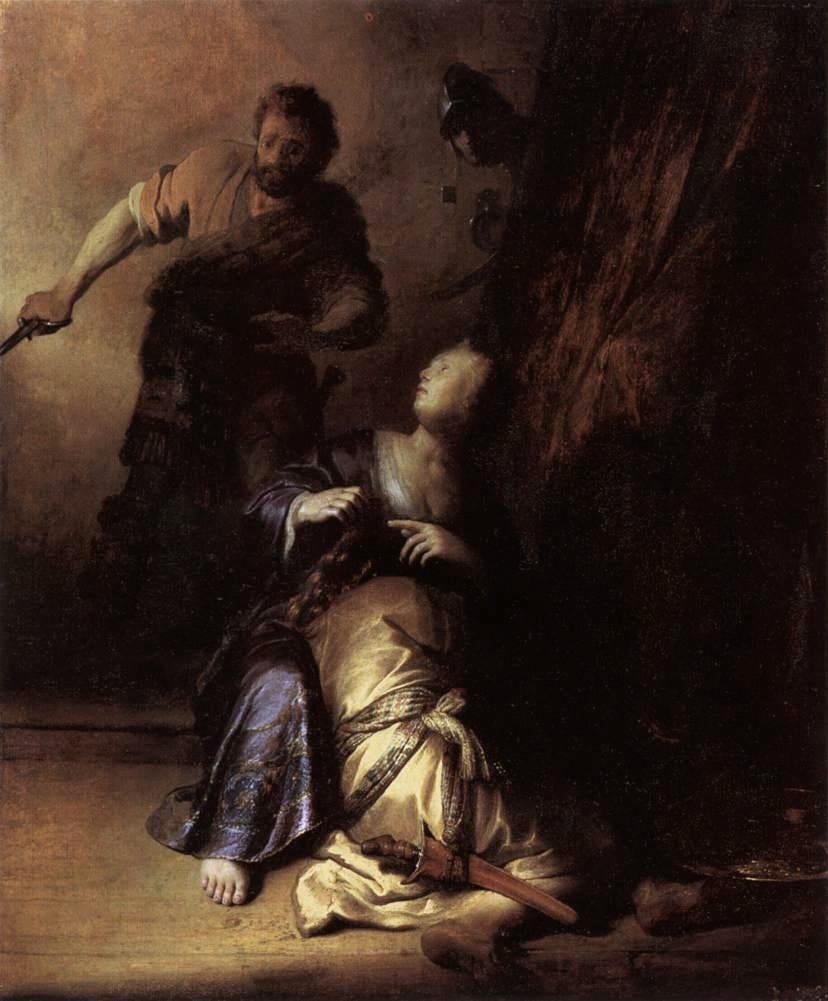
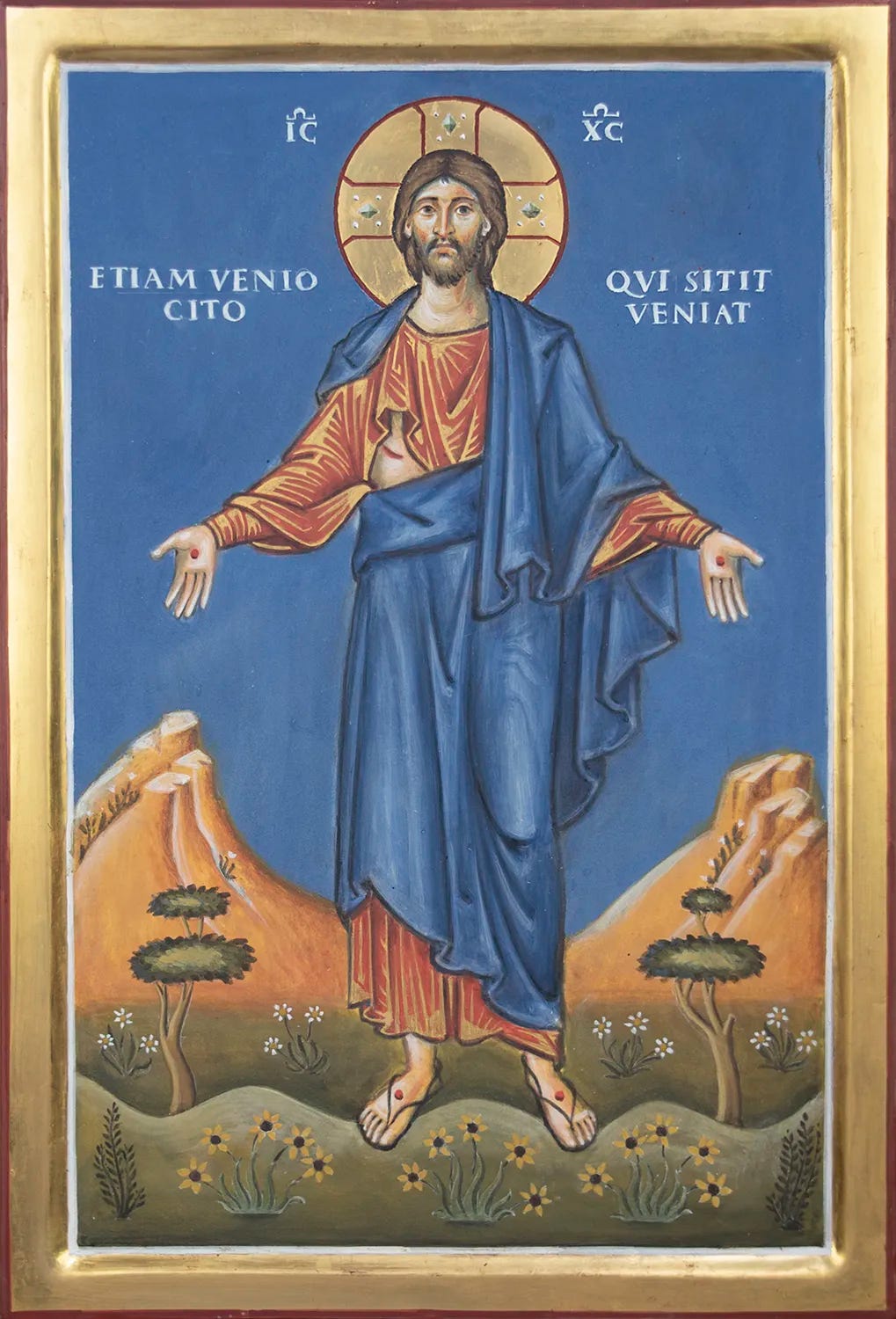
These optical differences also determine how far a given medium allows the artist to create the illusion of depth — and this also has a direct and powerful bearing on style. When Rembrandt layers multiple thin, transparent glazes of dark-colored oil paint over a surface, he creates the illusion of a deep, rich shadow into which we almost feel we could walk. The same technique applied in egg tempera produces nothing comparable — the result tends to look more like soot on the surface. Rembrandt almost certainly did not understand the physics that explain this difference, but he could see it, and that is what mattered to him. The icon painter, by contrast, wants his image to remain resolutely two-dimensional. He does not choose oil but opts instead for egg tempera, mosaic, or fresco, because the flat, stylized quality of those media serves the symbolic purpose of his image.
Alongside these optical properties, the purely physical characteristics of a medium also shape the choice. Mosaic and fresco are durable and permanent, but are fixed to the building’s structure, so they cannot be moved. Egg tempera is equally permanent and, because it can be applied to wooden panels, is well suited to portable images, such as icons carried in procession. Encaustic is more delicate because the melting point of wax is low, but, like tempera, it does not lose its color over time and can also be used for portable works. Oil paint is durable and, unlike the other media mentioned, flexible, so it can be applied to canvas, making paintings comparatively light and easy to transport; however, it is less permanent than other media because the binding medium tends to brown over time. When a 300-year-old oil painting looks dark and dingy, it is usually not dirty — it appears so because the linseed oil is no longer transparent.
All of this raises an interesting historical question. It is often said that the invention of oil paint in the 15th century enabled the development of naturalistic painting. I doubt this is quite right. Both eggs and linseed oil had always been readily available to artists who, until the 19th century, made their own paint (linseed oil, made from flax, is thought to have been in use for around 8,000 years). There is no particular technical difficulty in tempering pigment with either. Artists in any working studio would likely experiment with available materials and soon discover their different properties. As long as the intention is to paint in a highly abstracted style that minimizes the illusion of depth — as in iconographic and early Gothic art — there is no advantage in using oil. Only when an artist wants to paint more naturalistically does oil become the obviously superior choice. But I suggest the desire to paint naturalistically preceded the change in medium. It was the philosophical developments of the era — a changing worldview that sought a new kind of image — that prompted artists to reach for oil and set aside egg tempera. Technique follows philosophy, not the other way around.
A good artist chooses his medium to suit the kind of image he intends to make.
Next week: line, tone, and color — the three elements by which artists represent the visible world, and the choices that determine whether a painting is naturalistic, symbolic,
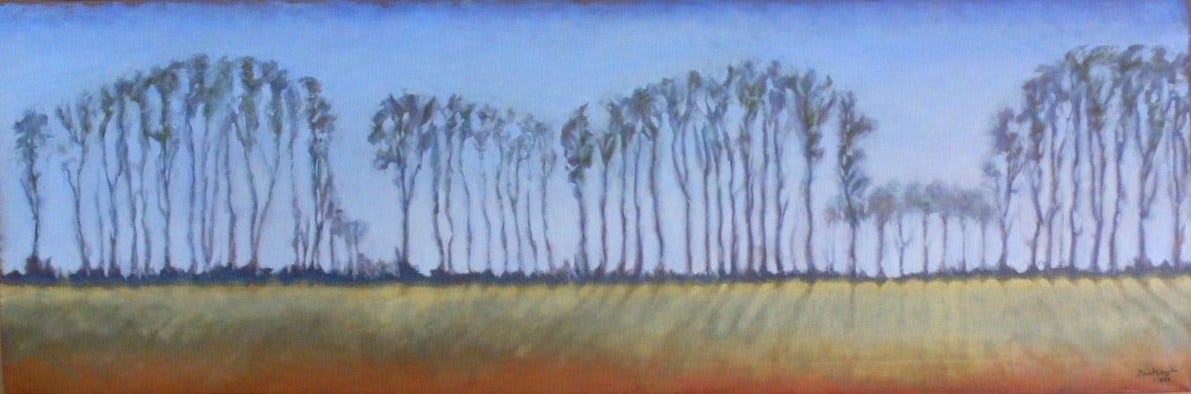
Martin Earle’s paintings are available at martinearle.com
Thank you!