


Art isn’t a matter of life and death; it’s much more important than that!
The Church teaches, through the decisions of past Councils and Canon Law, that sacred art is not merely permitted in churches; it is mandatory. Furthermore, in the past, people understood its importance and were prepared to die defending the principle. Think about this: people have been prepared to die for insisting upon the use of images in churches, especially in connection with our worship of God.
Here, we will examine not only the theological arguments that justify the use of sacred art but also the reasons it is imperative that we do so.
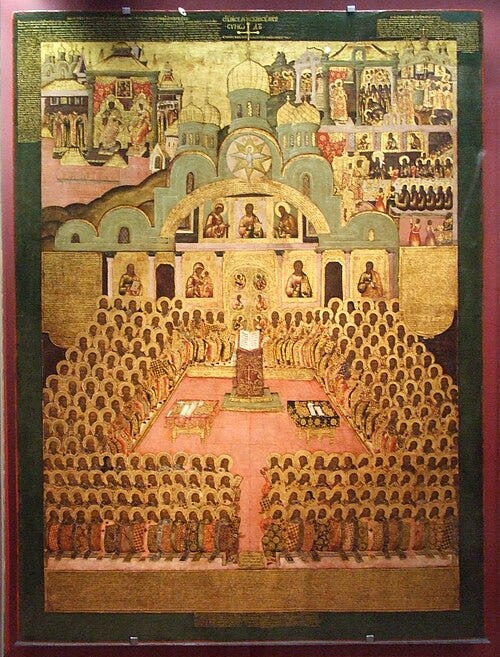
The Seventh Ecumenical Council and the Iconoclastic Controversy
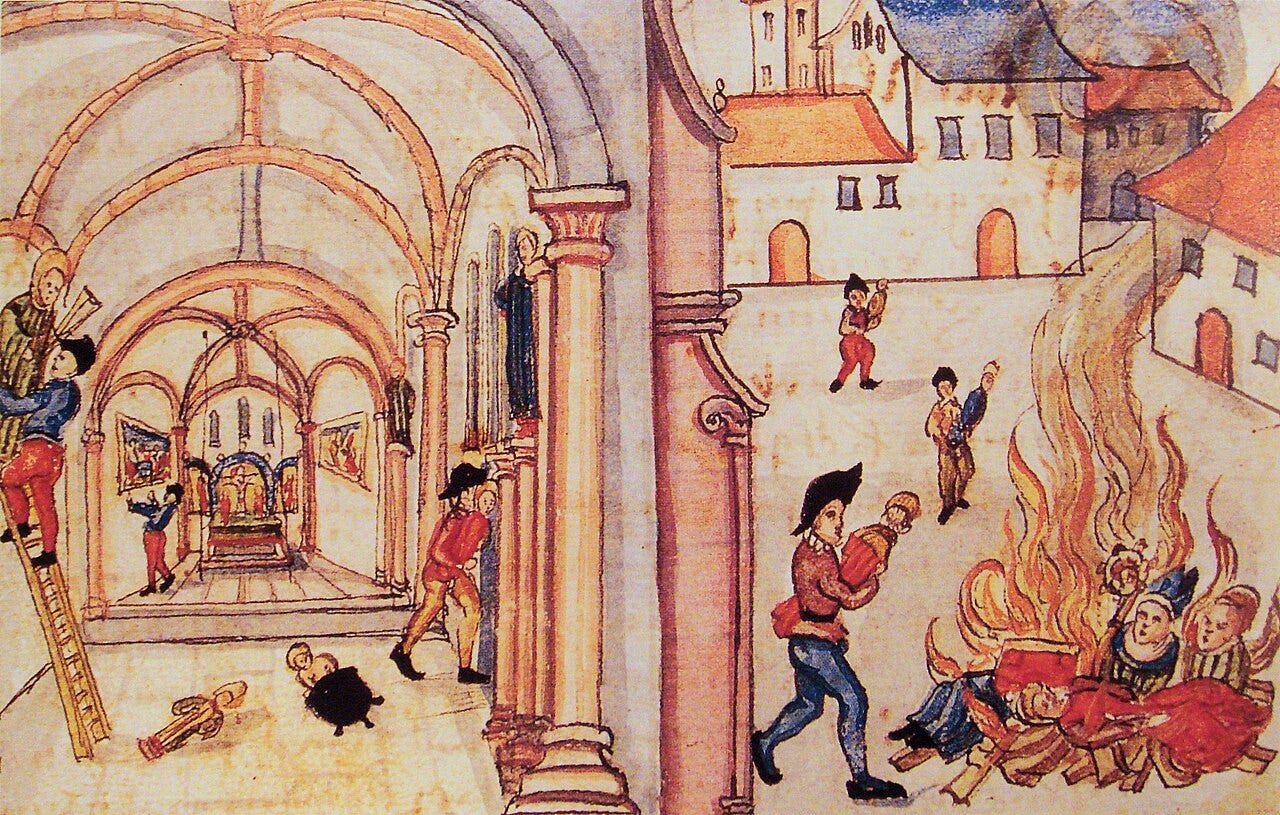
The Seventh Ecumenical Council, which closed in AD 787, was the culmination of a long-running, steadily growing disagreement over the validity of sacred art for Christians. It was characterized by two opposing points of view: one of the iconoclasts (from Greek: εἰκών, eikṓn, ‘figure, icon’ + κλάω, kláō, ‘to break’) and one of the iconodules (from Greek: εἰκόνα – icon (image) + Greek: δοῦλος – servant, meaning ‘one who serves icons’).
The iconoclasts, who sought to destroy (or break) images, argued that the veneration of images was idolatry, which was forbidden by the Ten Commandments. This argument has been repeated by Christian iconoclasts since then.
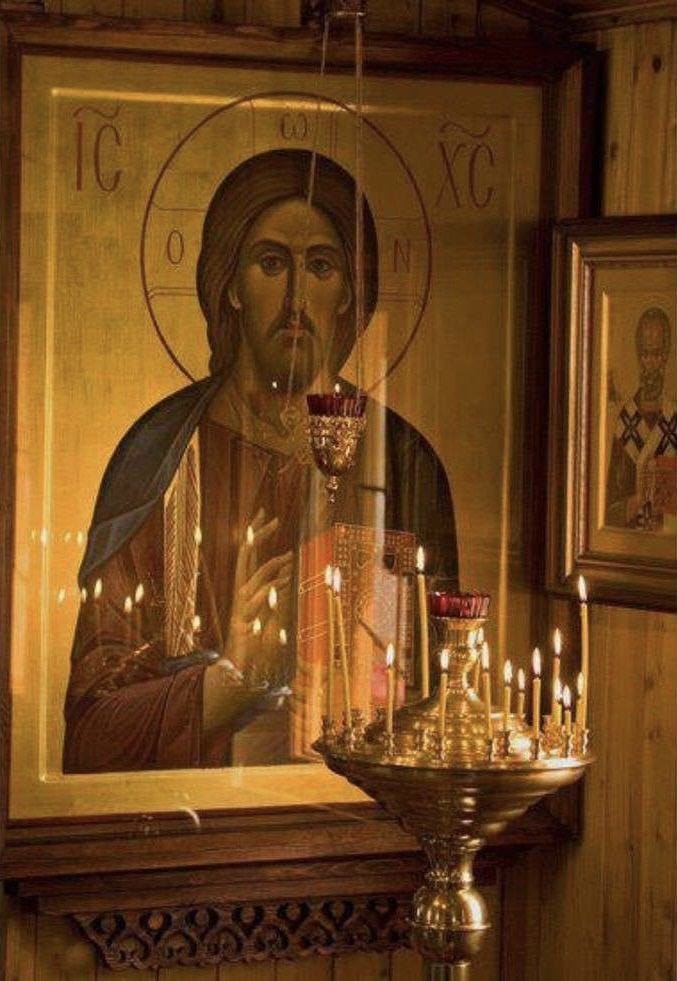
The iconodules, who venerated icons, argued that because God became man, it is legitimate to represent the person of Christ as man. When we look at Christ as man, he is the ‘image of the invisible God’, their argument runs. Then, through his image as man, we can respect the person of Jesus Christ, as God, and through Him, the other persons of the Trinity. This argument establishes the principle of showing respect to a prototype through an image and by extension to other images.
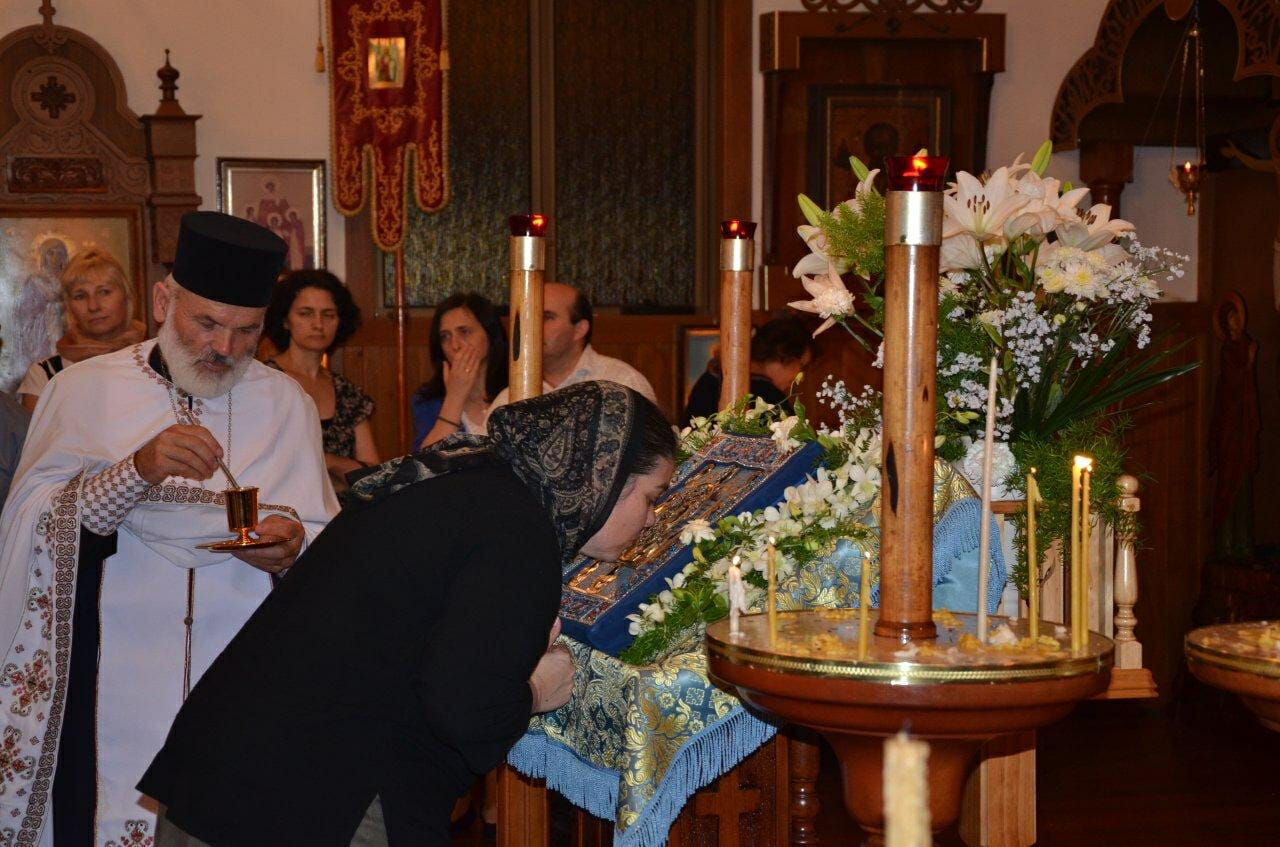
In venerating sacred art, we can offer our love or respect to the person depicted. Furthermore, in showing respect to saints or to Our Lady, whether directly or through an image, there are different degrees and kinds of respect or love appropriate to the object of our love, reflecting its place in the hierarchy of being. Worship (latria), the highest form of love, is for God alone, and veneration (dulia) is for the saints, with the highest form of veneration (hyperdulia) being reserved for Our Lady. This hierarchy of respect arises from the recognition of a hierarchy of being, with God at its pinnacle. The general principle is that those higher in this hierarchy deserve greater respect than those lower. This does not encourage disrespect for anyone; rather, it affirms that all are respected, but that respect takes different forms appropriate to the person.
Here is an excerpt of what the Council said (my emphases added):
“We define that the holy icons, whether in color, mosaic, or some other material, should be exhibited in the holy churches of God, on the sacred vessels and liturgical vestments, on the walls, furnishings, and in houses and along the roads, namely the icons of our Lord God and Savior Jesus Christ, that of our Lady the Theotokos, those of the venerable angels and those of all saintly people. Whenever these representations are contemplated, they will cause those who look at them to commemorate and love their prototype. We also define that they should be kissed and that they are an object of veneration (dulia) and honor (timitiki proskynisis), but not of real worship (latreia), which is reserved for Him Who is the subject of our faith and is proper for the divine nature, ... which is in effect transmitted to the prototype; he who venerates the icon, venerated in it the reality for which it stands.” The Council of Trent in the 16th century, incidentally, repeated much of this text and actually commanded ‘that images of Christ, the Virgin Mother of God, and other saints are to be held and kept…’
Through the veneration of something material and visible, the painting, we can, by a leap of our imaginations, give worship or veneration to the real person in heaven. This practice develops the faculty within us for analogical thinking so that, when we encounter visible signs, symbols, and images, our imagination naturally moves more readily to the object signified, which we can’t see, and ultimately to God. Analogical thinking here means thinking by way of analogy — using something concrete and visible as a bridge or stepping-stone to grasp or connect with something higher, invisible, and spiritual. It’s not mere symbolic interpretation or metaphor; it’s a disciplined imaginative leap that becomes second nature through practices such as venerating icons or religious images.
When this faculty is highly developed, anything that is beautiful or any aspect of God’s creation can take us, by a leap of imagination, to the One who created it or who inspired its beauty, that is God who is Beauty itself. This is a powerful force for establishing and retaining faith, for when this faculty within us is highly developed, all that we can perceive directs us to the reality of things we can’t.
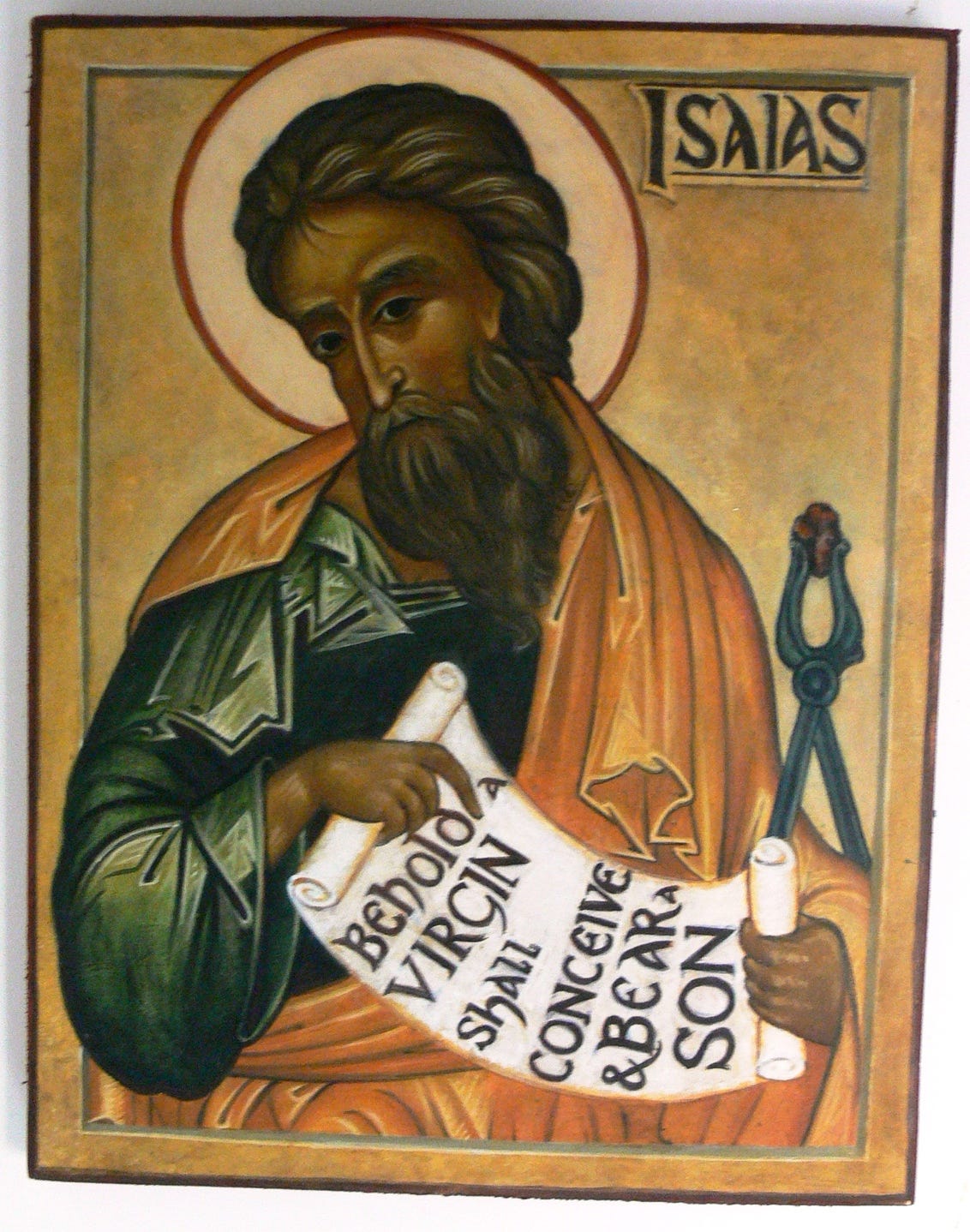
The Seventh Ecumenical Council didn’t immediately halt iconoclasm because there was a dispute over what constituted a holy image worthy of veneration. A clarification was provided by a 9th-century theologian, St Theodore the Studite. According to St Theodore’s definition, an image that bears the person’s name, written on the painting legibly, and captures the essential characteristics of the likeness is worthy of veneration. It is not so much a portrait that is required as the inclusion of accepted features and attributes of the person, as held by tradition. For example, by tradition, St. Paul is always bald, and St. Isaias has tongs, a piece of hot coal, shaggy hair, and a beard.
St Thomas’s 4th Way and How it Helps to Explain the Importance of the Veneration of Images
To understand even more deeply just how important it is that we venerate holy images in conjunction with the worship of God, we can consider St Thomas’s 4th Way, which is one of his so-called ‘five ways’, or five proofs (of a sort) for the existence of God.
Here it is as described in the Summa:
The fourth way is taken from the gradation to be found in things. Among beings, there are some more and some less good, true, noble, and the like. But “more” and “less” are predicated of different things, according as they resemble in their different ways something which is the maximum, as a thing is said to be hotter according as it more nearly resembles that which is hottest; so that there is something which is truest, something best, something noblest and, consequently, something which is uttermost being; for those things that are greatest in truth are greatest in being, as it is written in Metaph. ii. Now, the maximum in any genus is the cause of all in that genus; as fire, which is the maximum heat, is the cause of all hot things. Therefore, there must also be something which is to all beings the cause of their being, goodness, and every other perfection; and this we call God. [Summa Theologiae I q. 2, a. 3 C, fourth argument in whether God exists]
Put another way: we observe degrees of perfection of properties found in beings (good, better, better still...etc), and by analogy, this establishes a hierarchy of beings with that property, and this hierarchy indicates to us that there is something at the top of the tree, - the best - which might not be otherwise known, but which is the greatest in each property. In turn, and again by analogy, we see that the best in all categories exists in a single being that contains all attributes of being in perfection, namely Being itself. All lesser beings owe their existence to that greatest possible Being and are said to ‘participate’ in that fullness of Being.
The fourth way of St Thomas might well be the most powerful of the five ways in engaging the contemporary person. However, rather than thinking of the 4th Way as a rational argument intended to persuade people to convert, it is useful to think of it as describing a natural mode of thinking among those who already have faith, and which can be cultivated in those who do not have faith. It is the Way of thinking analogically (that is, by way of analogy). Those who think analogically perceive naturally that all things are interrelated and that both the parts and the pattern as a whole point to the existence of an invisible pinnacle of existence, which is God.
Similarly, those who think this way look at the beauty and order of the created world and instinctively attribute them to a Creator. They look at beautiful artifacts made by man and his loving and graceful actions, and they recognize that all are inspired by One who is Goodness and Beauty itself. They see the natural hierarchies that exist in creation and delight in them, for they point to the pinnacle of Being itself. So, for example, one who thinks analogically will recognize a hierarchy of being in the flora and fauna around him. He will intuitively recognize that all that is living is greater than that which is inanimate, and so animals are greater than plantlife; and that man is the greatest of all animals and distinct from them because he has an intellect and will. Recognizing this scale of perfection in the things we can see will increase our natural aptitude for faith in God, whom we cannot see, and who is the pinnacle of that scale.
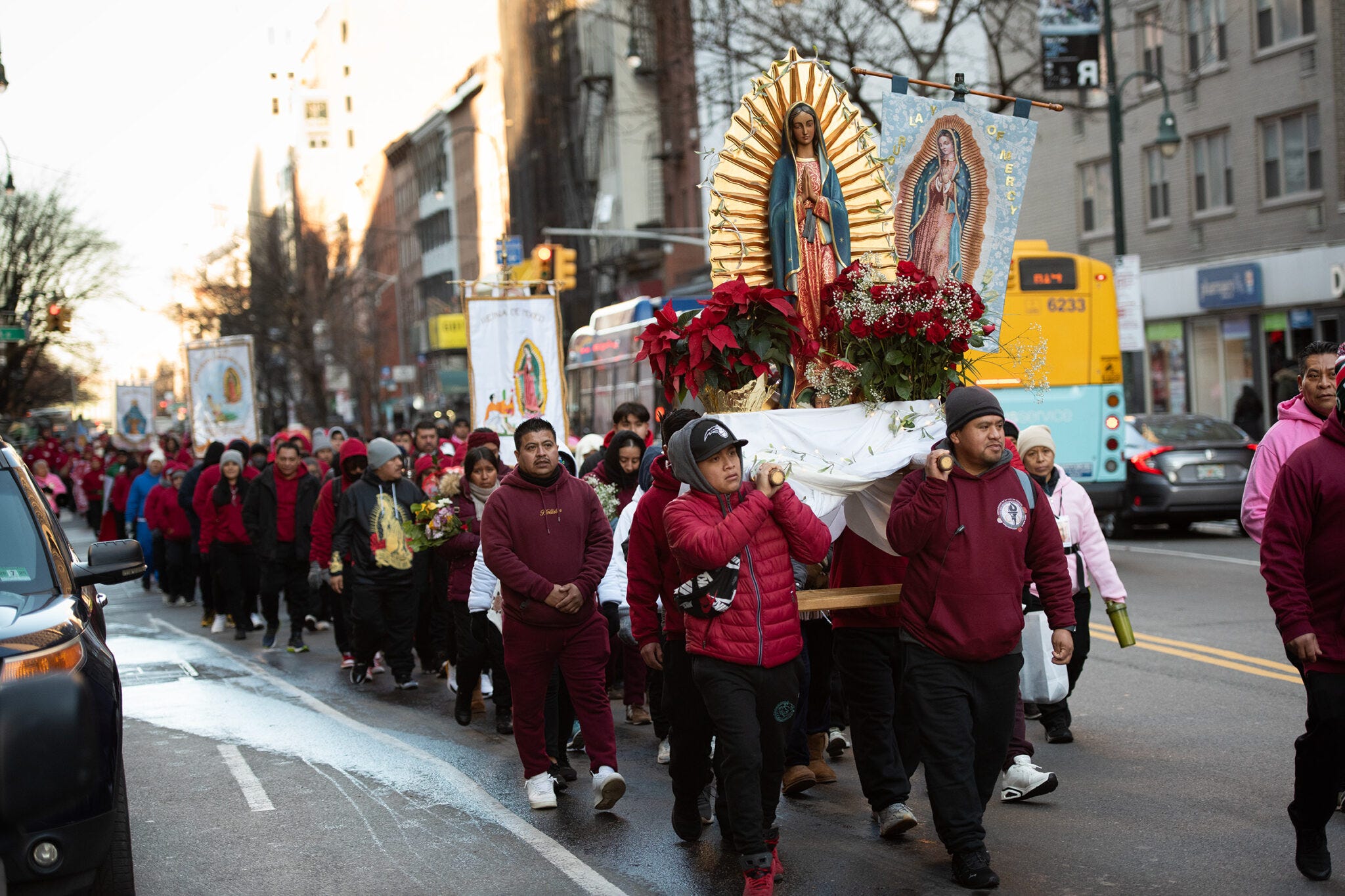
Furthermore, natural hierarchies of authority exist in a good society: children respect their parents, students listen to their teachers, subjects listen to their rulers, and so on. Those who, by first inclination, respect these natural authorities and even delight in good parents, teachers, and leaders, are more likely to be people of faith than those who don’t, for these hierarchies of power and authority indicate to them, again, by analogy, that there is One who has all power and ultimate authority.
Most who respond this way, what we might call 4th-way thinking, do so naturally and effortlessly in response to the world around them. They may not be able to articulate how they think or define the terms in such a way that would make a philosophy professor happy, but it doesn’t mean that they are not thinking in that way.
It seems to me that those who naturally think analogically and respond to beauty and the other properties that manifest a hierarchy of being around us are predisposed to be faithful. And it is as much cause as it is effect. This being so, the more effectively we can stimulate this mode of thinking in people who are otherwise not inclined to do so, the more likely they will be receptive to the idea of God. This is how we cultivate faith in God. With such people, the need to argue for the existence of God will be less, for by looking around them at creation, they will respond with awe and wonder and, upon reflection, with a natural desire for God. At that point, it may be necessary for us to present the revealed truth for them to become Christians, but there is every chance that they will be ready to hear the gospel from us. Furthermore, if the faithful in the Church could have this mode of thinking continuously stimulated and nourished within them, they would be far less likely ever to lose their faith.
How, then, can we encourage 4th-Way thinking?
What I am describing here, this 4th-Way manner of looking at things, is an aspect of man’s natural desire for God, which can be cultivated by external influences or suppressed and misdirected.
Contrary to what we may think, it is not easy to suppress and misdirect natural and good instincts. It typically takes a prolonged and aggressively anti-Christian education right up to the graduate level to do so. Our top universities have become specialists in teaching people out of their faith and out of common sense! The simplest answer, therefore, to how we allow this natural way of thinking to flourish, is the maxim, first do no harm. That is, we should eliminate all bad education. All that is directed to undermining the Faith should be purged from education. Second, would be to introduce a good education, rooted in the true, the good, and the beautiful, with the tenets and practices of the Catholic Faith at its heart. And as a vital part of the communication of the Faith, are the practices that follow the directives of the Seventh Ecumenical Council and start venerating and kissing images as part of our worship and devotional acts.
Because Marxist theory has been applied across public and private education, from early childhood through graduate education, eliminating poor education is easier said than done. The goal of so many who run our public schools and are in the grip of this ideology is aggressively to educate common sense out of people and indoctrinate them as political activists.
The best way to avoid bad education today is to avoid public schools and universities and choose very carefully from the privately run institutions available.
However, there are steps that can be taken to encourage 4th-Way thinking in the home. One way is to establish an icon corner and venerate the images within it.
The broad aims of an education that would promote this manner of thinking, would be as follows: We can strive wherever possible to emphasize and promote the natural hierarchies in society; to create a culture that is in harmony with divine beauty; and for each of us to strive to be people whose own behavior speaks of One greater than us, and who inspires great love and self-sacrifice in us.
It is the veneration of holy images, especially in connection to the highest expression of love for God - worship - that we are transformed into people who act and think and act as people of the Light most powerfully. When we venerate an icon, we understand that the respect we show is transferred to its prototype; furthermore, we recognize that there are different degrees and kinds of respect appropriate to it. Sacred art does this so powerfully precisely because it is visible and tangible. Through the material in the form of artistic images, we grasp the spiritual and invisible truths at work in the sacred liturgy to which they point. When we have art in our churches that works in harmony with the liturgy (which is, sadly, rare in today’s Church), it deepens our participation in the liturgy and, in turn, leads us to supernatural transformation, by which we partake of the divine nature. We become walking icons - images - of Christ. We are images of God in our moral, intellectual, and spiritual nature, and images of the person of Christ additionally in our human nature as a whole.
When we cease to pray with images, they become superfluous to our worship, and the likely result is a decline in its authenticity. What might seem at first to be a minor omission opens the way to a chain of events that has direct consequences for us and our faith. What begins as neglect of images can in time become an actual hatred of them, and the result is iconoclasm. This will lead, in turn, to a general rejection of the authority of the Church and eventually to the inversion of our sense of the hierarchy of being, so that we bring ‘god’ down to us, rather than allowing him to draw us up to Him by our partaking of the divine nature. The end of this steady reduction of faith is atheism, which rejects Him altogether.
I believe that many - not all - problems in the Church and society today may be traced to this lack of engagement with images in the liturgy. There are other factors as well, but a crucial step in beginning to evangelize the culture would be for us to change in this regard. We have forgotten how to engage with sacred art in our worship. Until devout Catholics once again engage actively with sacred images in the act of worshipping God, we will not stop the decline in the faith that we see in the West.
One cannot underestimate the importance of this or how far from this ideal we have strayed today. In the Roman Church, it seems, we often give away freely what saints in centuries past fought so hard to defend. Catholics should be aware that this neglect is as present in the celebration of the Extraordinary Form as it is in the Ordinary Form. Even if there is good sacred art on the walls of the church, it is largely incidental to the form of worship, regardless of the Form being celebrated. The result, for the pious, is often an internalized, eyes-closed activity that reduces the role of art and architecture, at best, to a beautiful but irrelevant backdrop.
Each of us should ask ourselves how many times during Mass we look directly at the images as part of our worship. If the answer is “never” or “rarely,” we should remedy the situation through our personal practice of worship. As a simple illustration, when addressing the Son directly in the liturgy, as we do in the Kyrie (‘Lord have mercy’ ) prayers at Mass, we could look at an image of the Son and address him through that image as we might do if we were talking to Him personally. Similarly, when we invoke the prayers of Our Lady or the saints, we can do so while looking at their images, again as we would if we were talking to them personally. How many do this today? Very few, I suspect.
Those who want to destroy the faith seem to understand this better than we do. They systematically destroy images and beautiful artifacts from our churches and all beauty and order from the wider culture. Those who hate the Faith aim to establish the idea in our artists that beauty and image have no place in art; they glorify ugliness, and they destroy all signs of the communities that reflect natural hierarchies and authorities in society - such as the family, the nation, and the Church.
This change can begin with us. Even if we have no influence in the art that is in our church, and no influence to affect political change that bolsters the institutions of a Christian society - family, nation, and Church, there are things we can do in personal lives that in turn affect our personal relationships and so, organically, contribute little by little to the evangelization of the culture. We can create an icon corner at home and pray with images, and encourage our families to join in. If our participation in society extends to considering little things, it can have a similar impact: social graces and good manners are natural modes of behavior that indicate respect for others in accordance with the natural hierarchy and for the dignity of those we engage with. Even the attention to what we wear can send out visual messages. It is right to dress up on certain occasions, and even the seemingly innocent trend of no longer wearing ‘Sunday best’ for church contributes to the destruction of the faith more than we imagine, for it tells others that we don’t respect the Person we encounter in church as much as those who might be in a position to give us employment when we go for a job interview.
In summary, sacred art impacts nearly every aspect of human life and is powerful in propagating and preserving the Faith. This is why the Church commanded us to create and venerate images and why those who hate Christianity seek to destroy them so aggressively!
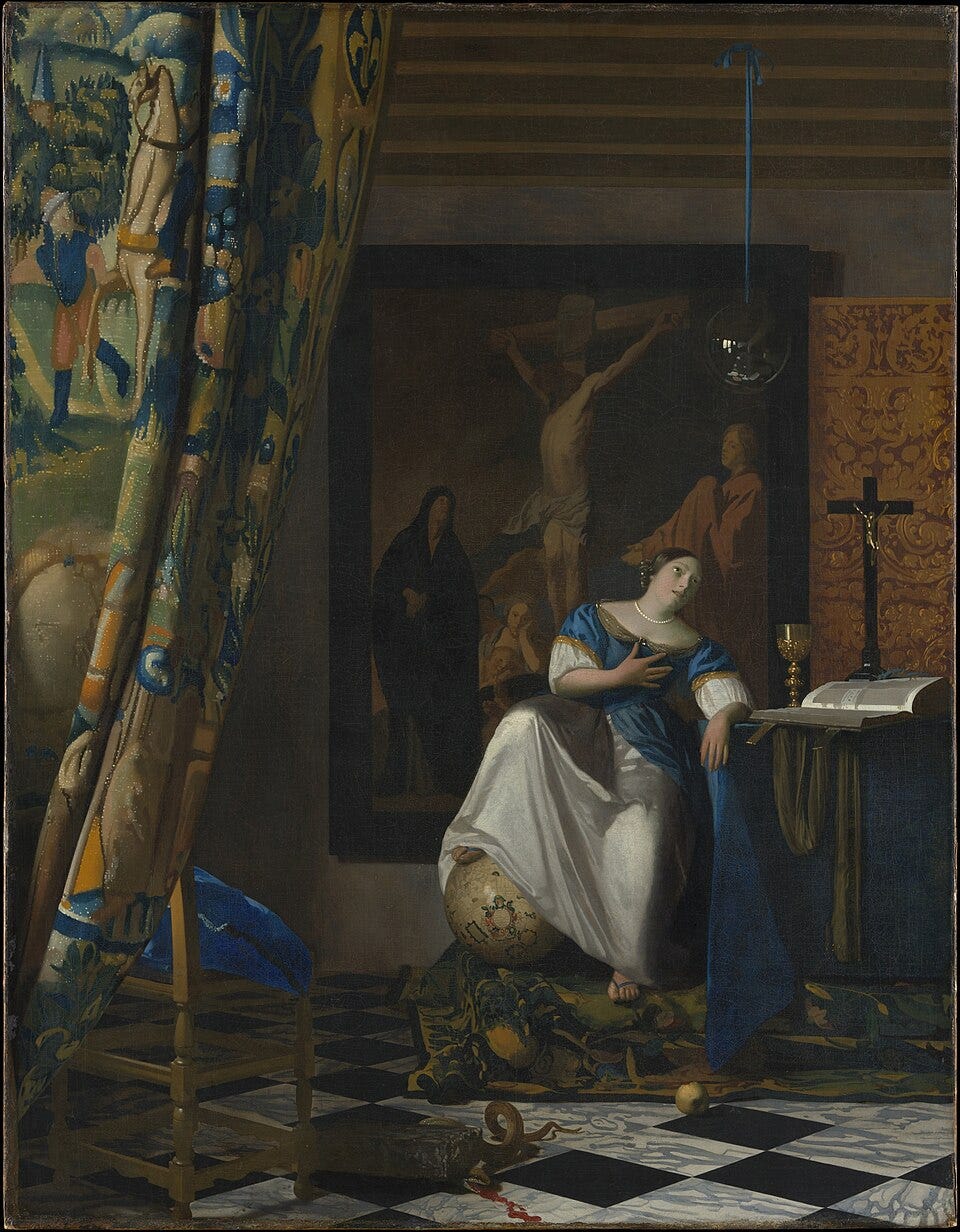
Above, Allegory of the Faith, by Johannes Vermeer. This devotional rather than liturgical. As such, it is a piece of sacred art that depicts allegories…an allegory of allegories! My internet investigation came up with the following symbolism, for your interest:
The Female Figure: Dressed in blue and white, symbolizing heaven and purity, she personifies the Catholic Faith (or the Church itself). Her hand rests on her heart, indicating that true faith dwells inwardly.
The Spheres:
Terrestrial Globe: Her foot rests firmly on the globe, signifying the universal dominion of the Church over the earthly world.
Glass Orb: Hanging from the ceiling, the reflective sphere symbolizes heaven and the divine realm, its mirror-like surface evoking the contemplation of God’s infinite nature.
The Conflict of Good and Evil:
Crushed Serpent: A large stone (the cornerstone of Christ) crushes the serpent (Satan and evil), with blood flowing from the wound to emphasize victory over sin and death.
Bitten Apple: Lying nearby, the apple refers to original sin and the Fall.
The Altar Table: A simple domestic table is transformed into an altar bearing a crucifix, chalice, and open missal. This evokes the clandestine practice of the Mass in hidden churches within private homes during the Dutch Republic, when public worship was forbidden.
I'm sorry but I have to strenuously disagree, David. The passage of veneration from the icon to the Prototype, the Person (or persons) venerated, is not imaginary. This is a mystical REALITY. It is not effected by a "leap of the imagination" but by the will and power of God.
The Fathers of the Second council of Nicaea didn’t say a single word about the human imagination being involved. They were talking about objective, not subjective, mystical realities, and said very clearly that the veneration and worship due to the prototype passes from the icon to the Person (or person). This has nothing to do with human imagination or wish fulfilment.
https://www.papalencyclicals.net/councils/ecum07.htm
Shanks!