


Introduction
The Way of Beauty is a transformative process that guides individuals toward discovering their personal vocation through a life of joy, creativity, and spiritual depth. The Way of Beauty process is primarily transmitted through personal mentorship. Several of us who have been through the process have felt the desire to establish group meetings, and we have been piloting them in Princeton, New Jersey. It’s early days, but the signs are that regular attendance at Way of Beauty groups offers benefits that complement and enhance the effectiveness of this one-on-one mentorship. These gatherings are inspired by John Wesley’s Methodist class meetings and 12-step programs like Alcoholics Anonymous (which drew inspiration from Wesley’s group model). They provide a structured yet personal environment that supports mentorship, accountability, communal prayer, and social connection..
Typically limited to around a dozen people, the Way of Beauty meetings:
Provide a forum for meeting potential mentors to guide individuals through the process.
Offer unconditional friendship and support to those considering a commitment, connecting them with others who are further along the path.
Create a community that fosters a sense of belonging and social support for all participants.
Connect the process to the public worship of the Church and Christian teaching in a non-threatening, attractive format that invites exploration rather than overt promotion.
Encourage accountability and reinforce basic principles, helping participants develop habits until they become ingrained practices.
Enable experienced members to share their knowledge charitably, benefiting both new and seasoned participants.
Foster spiritual cohesion through communal prayer, particularly psalm singing, by embedding theological truths and deepening faith through a shared rhythm of worship.
Provide a forum for non-Christian searchers who are at the very beginning of their spiritual journey and who many not yet be ready to attend church or connect with more formalised institutional religious groups.
Here is a statement that is read out at the start of every meeting that helps to explain how we see ourselves:
Preamble
The Way of Beauty is the name given to a process by which we, who have been through it, discovered our true calling in life—what we call our ‘personal vocation’; and through which we discovered the Great Fact—that we have a choice in life. With God’s help, we can choose to be happy or to be miserable.
Our goal is to be happy and to become, more and more, the people God intends us to be. To this end, we aim to lead a life that is joyful, creative, and beautiful, as we progress along the Way of Beauty.
The purpose of these weekly groups is to present information about the Way of Beauty process and to provide a forum where individuals who have completed the process can meet and support those who have not yet done so. In addition, the group helps us all to develop and maintain the exercises as habits by encouraging us to be accountable to others.
We recommend mentorship.
We recommend a daily routine of prayer and meditation.
We recommend weekly voluntary service.
As an exercise that stimulates creativity in all that we do, we recommend a weekly commitment to a creative pursuit of your choosing, such as art or music (regardless of your talent), in which we aim to create something beautiful.
We recommend that you worship God. If you do not have a place of worship, start looking for one. Ideally, this will involve:
Sunday worship.
Praying the Psalms daily at home.
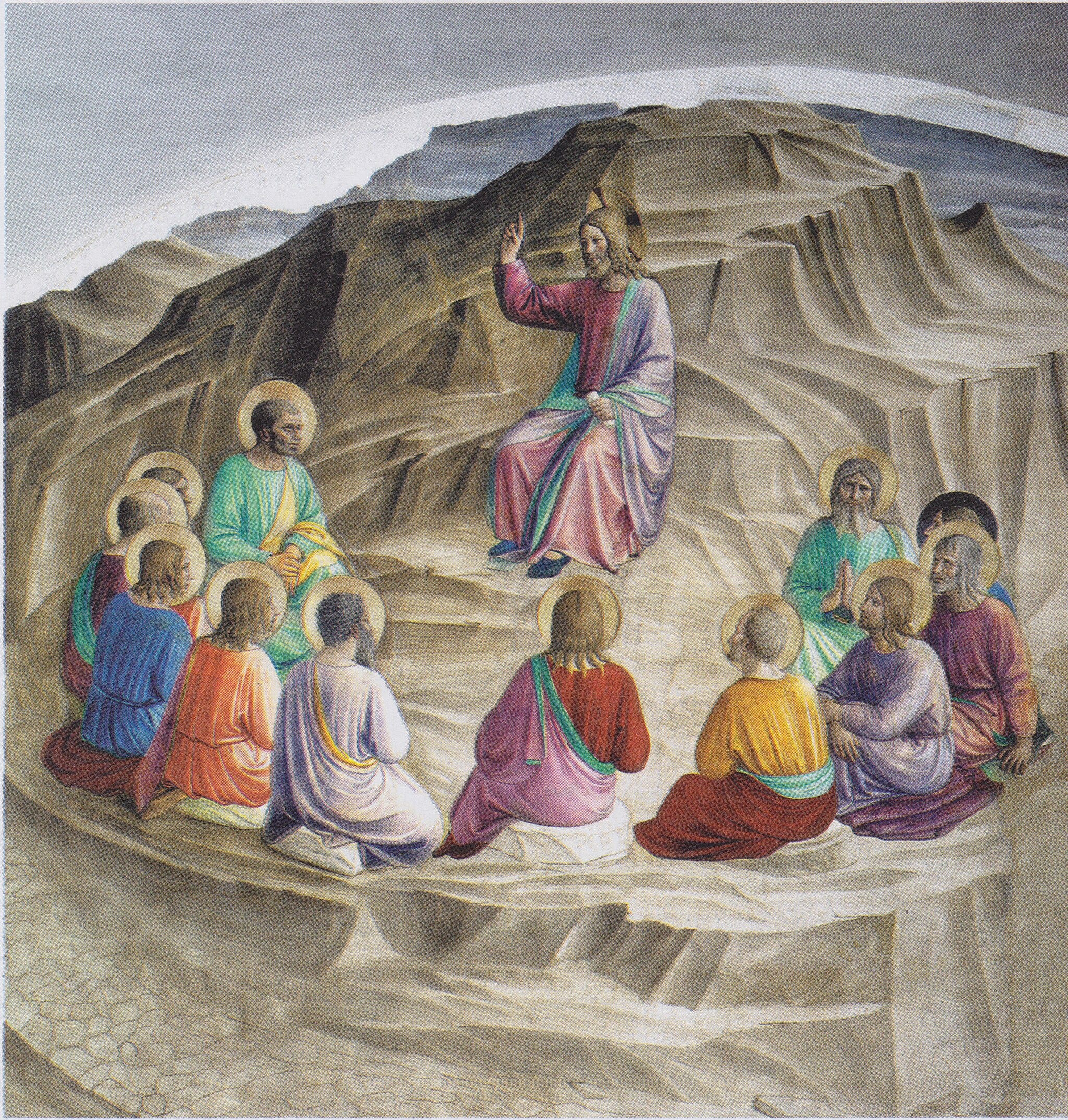
The Structure and Function of Way of Beauty Groups: Way of Beauty groups, as outlined in the preamble, are designed to connect participants with mentors, provide a supportive community, and reinforce and embed the habits of the process. Limited to around 12 members to foster intimacy, as in the Wesleyan class meeting model, meetings follow a structured format: opening with psalms for the day, weekly readings of key principles such as The Eight Principles for Progress, personal sharing on topics like prayer, service, or creativity, and closing with Psalm 97(98), petitions, and the Lord’s Prayer. This structure, detailed in the Way of Beauty Group guidelines, emphasizes accountability, communal prayer, and the integration of beauty through recommended practices like daily psalm-singing, weekly acts of service, and creative endeavors, regardless of artistic talent.
The group materials can be downloaded here. They are made available to all who come and who are also encouraged to read the Vision for You book as a core text.
The Order of Way of Beauty meetings, including a script for the group leader, guidelines and how to speak at meetings.
The Way of Beauty Group Preamble
Guides for WoB mentors
Eight Steps to Determining Your Personal Vocation
Eight Principles for Progress
WoB Daily/Weekly Habits
Just for Today - an Ideal for Living
These are all available for download at the bottom of this article.
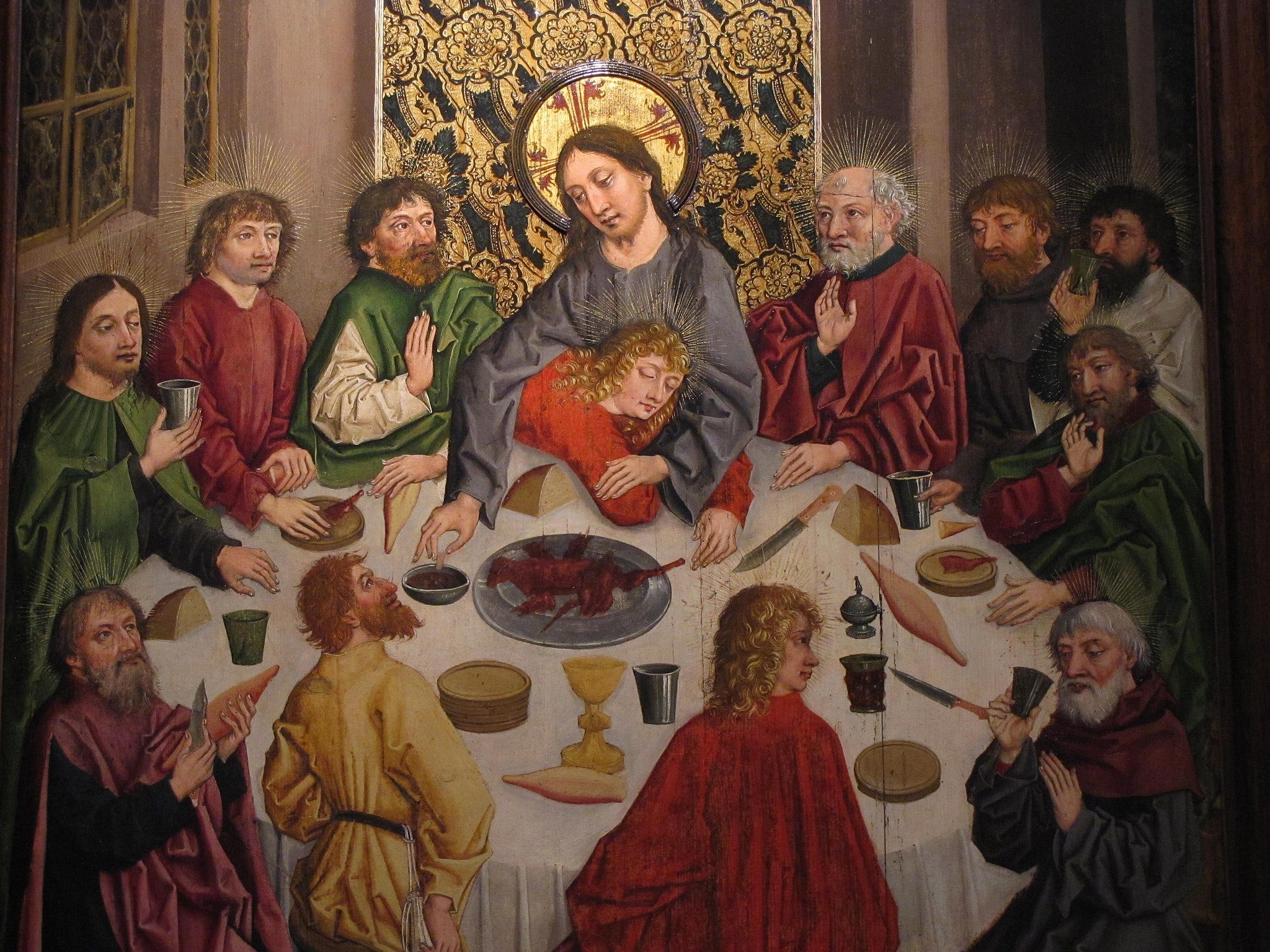
Mentorship and Support for Commitment: The groups serve as a vital forum for connecting participants with potential mentors, as recommended in the preamble, to guide them through the Way of Beauty process. They also offer unconditional friendship to those considering commitment, allowing them to meet others further along the path. This supportive environment helps newcomers feel welcomed and encourages them to explore the process without pressure.
Accountability and Habit Formation: By sharing weekly experiences—such as progress in daily prayer, acts of service, or creative projects—members hold each other accountable in a positive and encouraging manner, fostering consistency and helping habits become ingrained practices.
Community and Social Connection: The groups foster a sense of belonging through social bonds, extending beyond meetings to include informal gatherings - at the group that we participate in Princeton, we go for breakfast afterwards, for example. The limited size - we try to keep them to a maximum of 12 members - ensures intimacy and facilitates deeper friendships. These social activities help to cultivate joy and reinforce the process’s commitment to creativity and service, creating a supportive community for all participants.
Communal Prayer and Worship: Communal prayer, particularly psalm-singing, unifies participants in a shared rhythm of worship and, through the poetic imagery of the psalms, fosters a “graced imagination” which enhances creativity. Rooted in the Christian tradition, this practice helps embed the core truths of the Christian faith and encourages Sunday worship and daily psalm singing at home. This strengthens spiritual cohesion of the group and connects the process to the public worship of the Church.
Indirect Transmission of Theology: By focusing on personal testimonies rather than direct instruction, the groups make theology accessible to diverse participants, including non-Christians. The regular readings also instill a theological framework aligned with traditional Christian teaching. Discussions of personal experiences on selected topics, such as resentments and fears, subtly convey truths about grace and redemption, drawing participants to Christian teaching without resorting to dogmatic lectures.
Experienced Members Supporting Newcomers: The groups provide a platform for experienced members to share their knowledge with newcomers, benefiting all. This mutual support, rooted in charity, reinforces the process’s principles and fosters a cycle of growth, where seasoned participants mentor others through one-on-one meetings arranged privately, thereby enhancing the community’s strength and continuity.
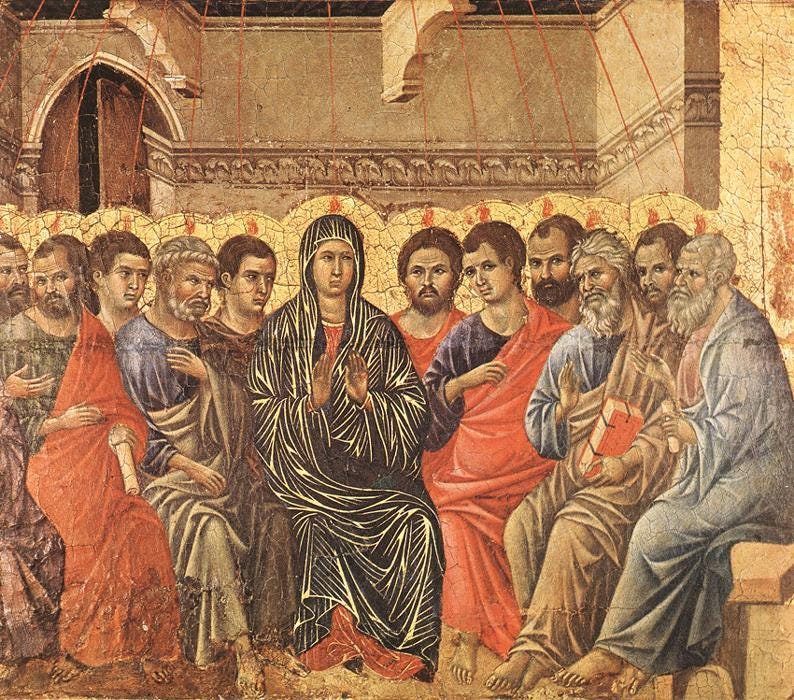
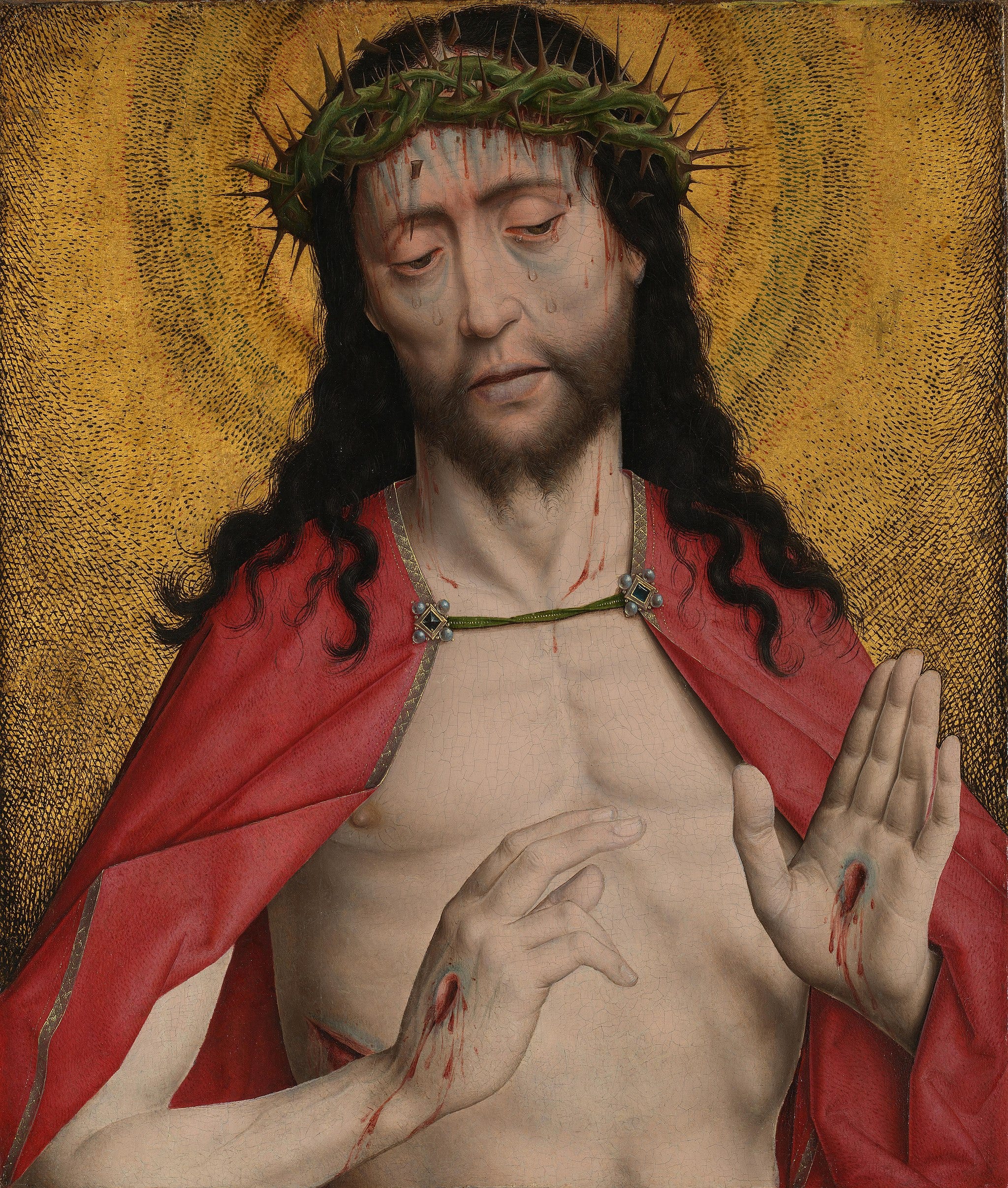
The Inspirtation behind the Way of Beauty Groups - John Wesley’s class and band meetings: Way of Beauty groups draw from a rich tradition of Christian lay movements, but primarily Wesleyan class meetings established in 1742, which limited groups to 12 for accountability and mutual edification. In forming these groups, Wesley drew on a range of influences, including both Catholic and Protestant traditions. The first influence was his remarkable mother, Susanna, who read Catholic spiritual classics and introduced them to John: Francis De Sales’ Introduction to the Devout Life, Brother Lawrence’s Practice the Presence of God and the book that described the spirituality of a lay movement, the devotio moderna, created from 14th-century Holland, Thomas à Kempis’s The Imitation of Christ. The devotio moderna, incidentally developed themes of devotional art of which the crown of thorns (this one is by Dirk Boutts, the 15th century Dutch artist):
John integrated the idea of habitual practice of charity and prayer into a framwork of groups that encouraged each other and prayed together. He saw both his father, Samuel and Anglican minister, and his mother forming groups of Christians in the home. Other influences were the writings of a lay Oratorian (from the order founded by St Philip Neri) in France, called M. Gaston de Renty, who established devotional groups in the 17th century, which emphasized charity, music and fellowship.
The group structure that Wesley introduced was most closely based upon that of a Protestant sect called the Moravians. The Moravians originated in the present day Czech Republic. Wesley attended ‘band’ meetings organised by the Moravians in London in the 1730s.
The precise practice of class and band meeting, as set up by Wesley is not common in Methodist churches today, dying out in the decades after Wesley’s death in 1791. However, the broad practice continues to this day in modified forms. For example, contemporary 12-step programs, such as AA (1935), appear to be a descendant of the Wesleyan approach, and small group fellowships, in the form of house groups, remain an important part of the ministries of Protestant churches.
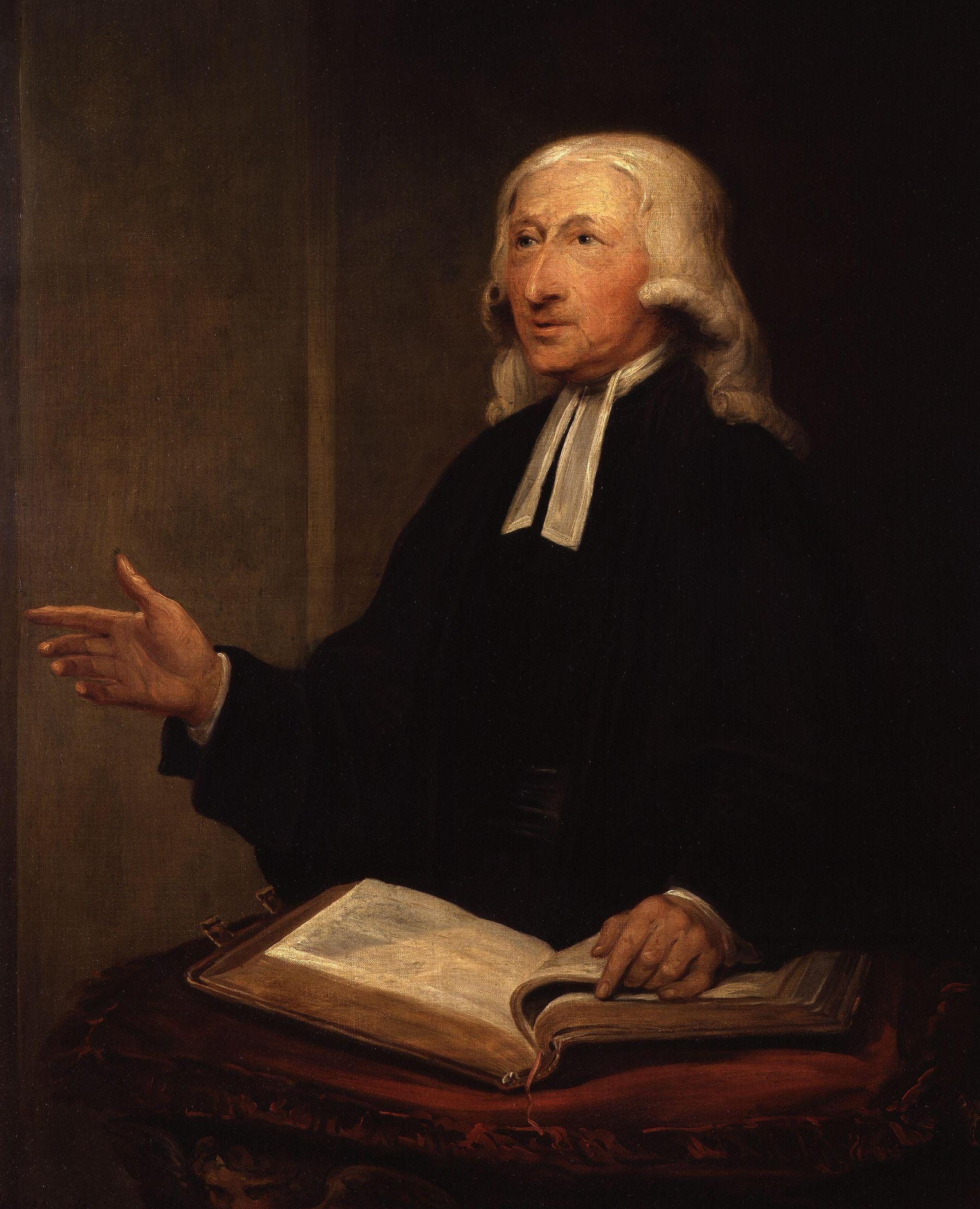
Challenges and Safeguards: Looking at history, there is always a risk of a tension between the lay groups and the Church, which may even undermine institutional worship by replacing, rather than complementing and encouraging attendance at church. For all the good that arose from them, this was a problem with both Wesley’s class meetings and the devotio moderna in Holland, for example. We hope this is countered in the Way of Beauty groups by the preamble’s firm recommendation of institutional and public worship on Sundays. Also there is a danger in such groups in a time when many have had experiences of group therapy and counselling, for some to indulge in overly confessional and personal sharing, which can encourage self-indulgence and greater misery if it is not done in protected environments, is mitigated by limiting discussions in the groups themselves to Way of Beauty process-related experiences and encouraging people to save deeply personal information to personal mentorship session; or for those who are able to go to it, for sacramental confession. Similarly, the absence of direct theological instruction risks diluting doctrine, but the hope is that, as in the Wesleyan groups, where the singing of especially written hymns transmitted theological content, the singing of the psalms and prayers in the Way of Beauty groups embed theological truths in the hearts of those who attend, maintaining fidelity to the traditional Church teaching.
In summary, the Way of Beauty groups, inspired by Wesleyan class meetings and informed by my observations of 12-step programs and Methodist roots, offer a powerful framework for spiritual, creative, and social growth. They provide a forum for mentorship, unconditional support, and community belonging, connecting participants to Christian worship and teaching in an inviting, non-threatening way. Through accountability, communal prayer, and indirect theological formation, these groups help participants develop ingrained habits and share knowledge charitably, transforming lives and guiding them toward their personal vocations through a life of joy, creativity, and prayer.
Download group materials here:

Here is the script and materials that the leader uses:
And here are the readings and handouts made available at the group:

I'd be interested in joining a group. Are there any on Florida's eastcoast. Are there virtual groups to join?
This idea seems excellent. Are there groups in germany?