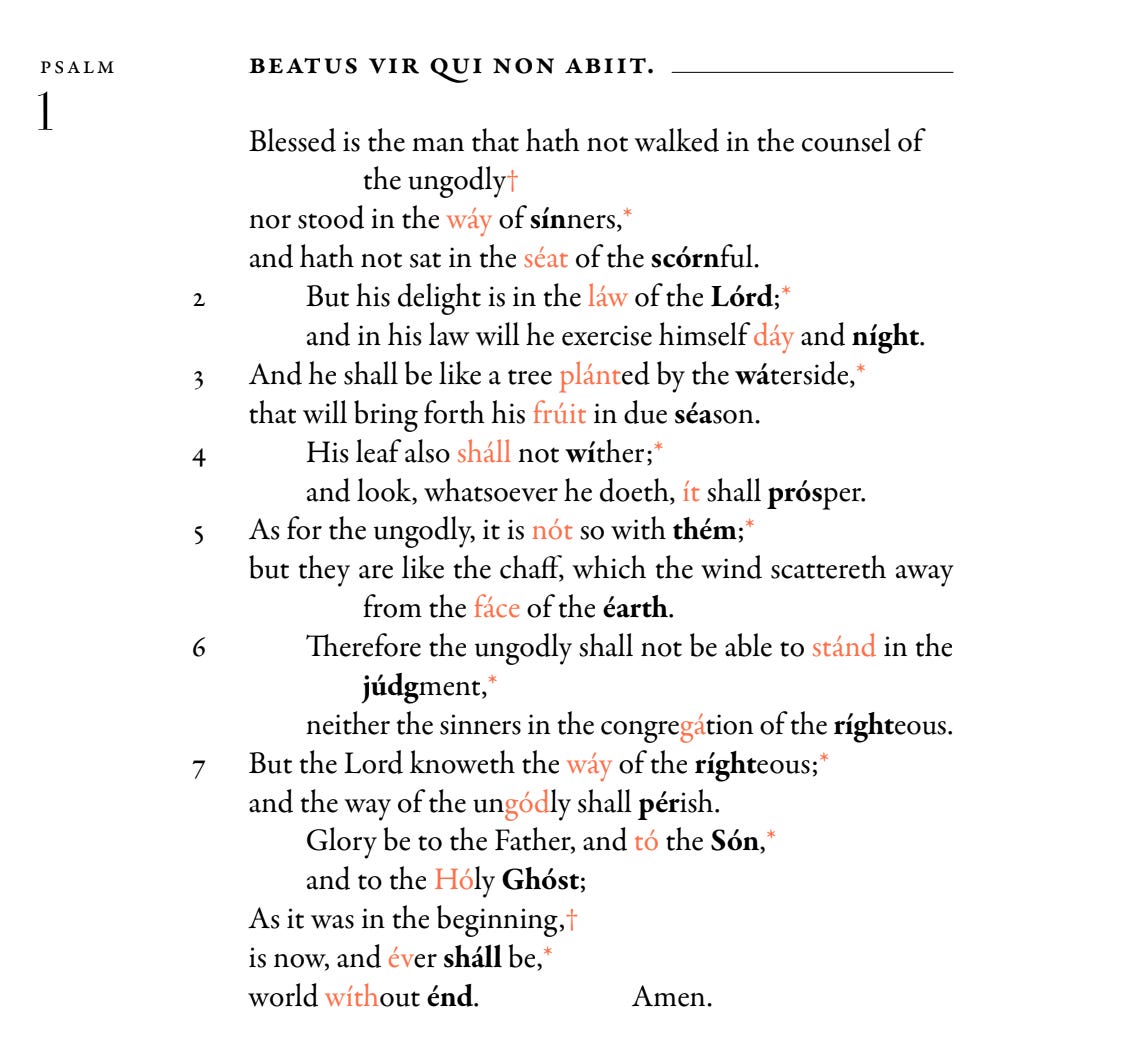
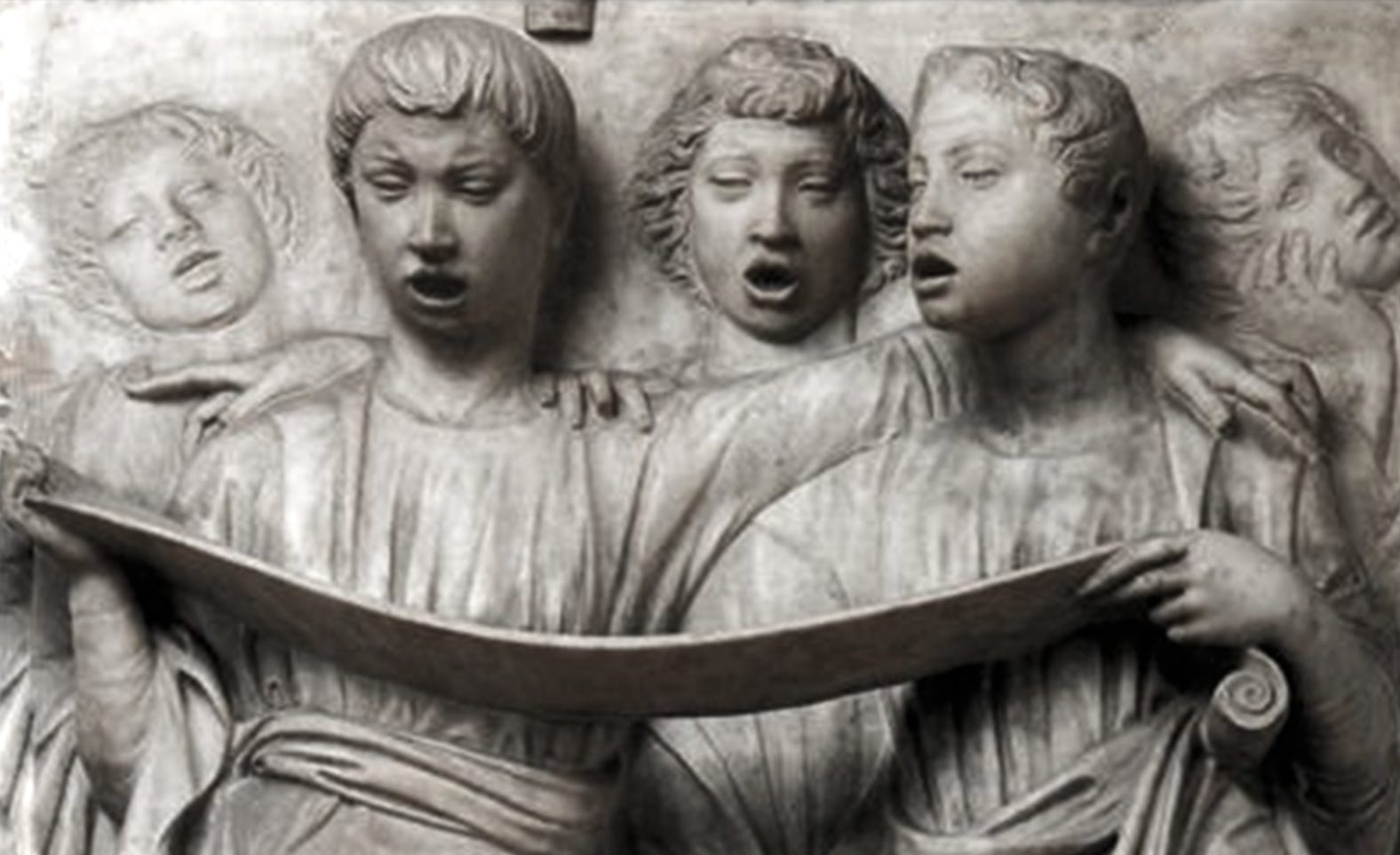
The psalter in Musica Domestica is arranged so that the psalms can be chanted to the melodic patterns—referred to as “tones”—of the ancient tradition of Gregorian chant. Gregorian chant takes its name from Pope Gregory the Great, during whose papacy (590–604 AD) the chants were, according to medieval legend, collected and codified. In fact, the roots of the tradition are much older than Gregory, likely dating to the pre-Christian Jewish period, and the codification took place after Gregory. The chants were passed down through oral tradition, from the cantors of the Jerusalem Temple to the Christian converts of the early Church. Modern scholars suggest that it wasn’t until Charlemagne’s reign in the 8th century that the process of codifying the chants into something like their present form began.
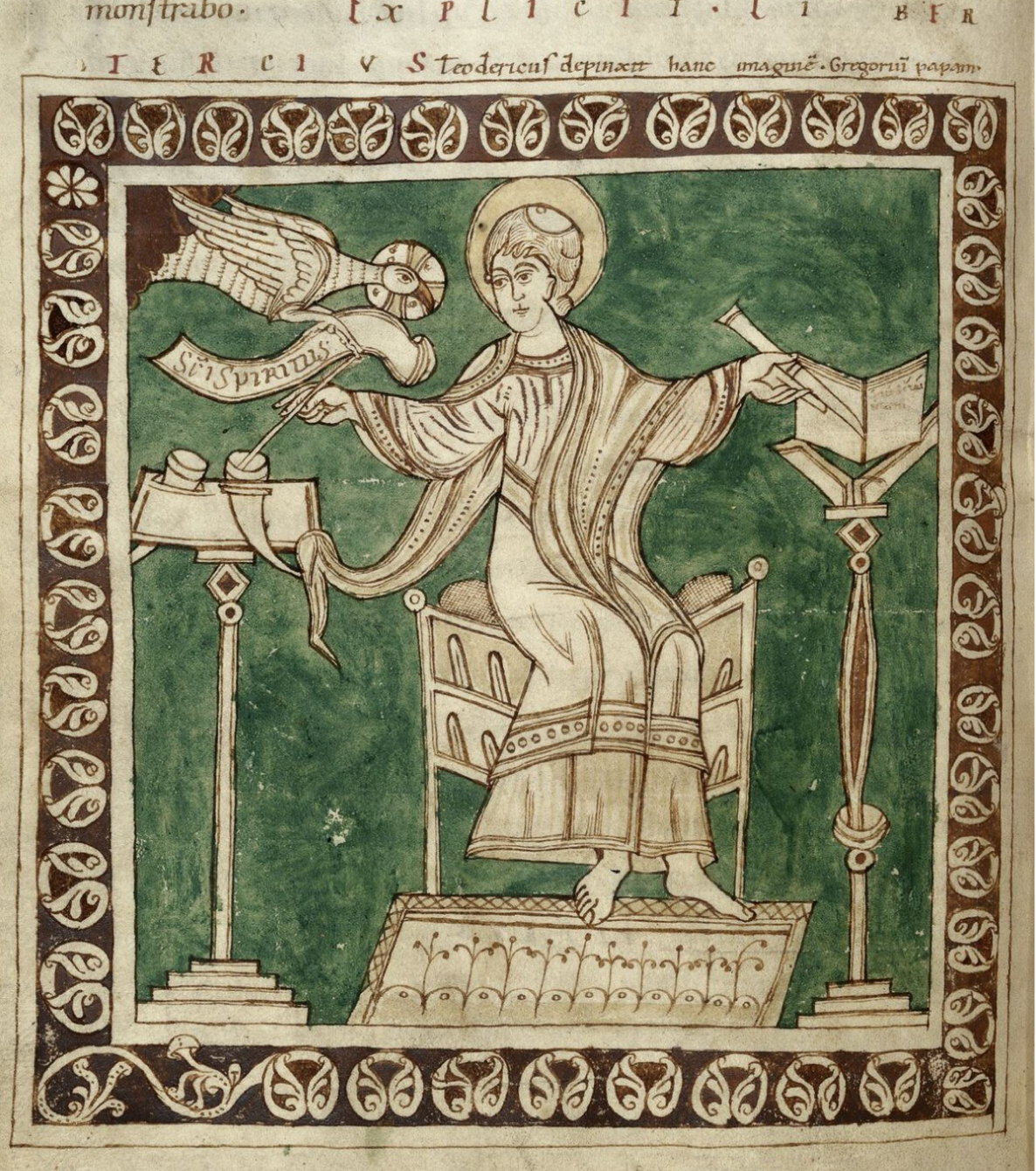
Regardless of the precise history, which is always likely to be shrouded in some mystery given the lack of records from the first millennium of the Church, we can say that by the 10th century the melodies and the structure of modes and tones that we recognize today were largely established, and have remained a central part of the Church’s liturgical musical repertoire ever since.
The Church’s Own Judgment on the Value of Gregorian Chant
When considering how to sing the psalms, we chose Gregorian chant for Musica Domestica because of its central place in the tradition. For centuries, the Church has considered it the form of music most suited to the liturgy and, as a key component of the liturgy, the psalms. The Second Vatican Council stated this plainly in its Constitution on Sacred Liturgy, Sacrosanctum Concilium:
The Church acknowledges Gregorian chant as specially suited to the Roman liturgy: therefore, other things being equal, it should be given pride of place in liturgical services.[^1]
My argument for this choice is not, as some may expect, that Gregorian chant currently reflects the taste of most Christians, or that it produces an immediately positive emotional response—though a growing number of people today do like it, and when they hear and sing it, they respond positively. My argument is that over centuries it has been observed that those who worship with this music are generally more inclined to the life of virtue and more drawn to seek Christ in the Eucharist. Those are the fruits by which any form of sacred music is finally measured.
Gregorian chant, as observed and affirmed by Pius XII in Mediator Dei (n. 191), makes the celebration of the sacred mysteries “not only more dignified and solemn but helps very much to increase the faith and devotion of the congregation.” This in turn draws the faithful into leading lives as better Christians in every way, through a deeper love of God and neighbor.
Part of this is practical: Gregorian chant endures repetition without becoming tedious; it is not difficult for anyone with basic musical competency to learn, and it allows the meaning of the sacred words to come to the fore rather than competing with them. But a deeper reason lies in the music’s underlying form.
Beauty as Order: the Greek Foundation
Like much of Christian culture, Gregorian chant has its roots in a fusion of Graeco-Roman and Jewish sources, and is shaped by the Christian understanding of the cosmos. It may seem strange to modern ears to connect musical tradition to cosmology, but it reflects an ancient view of the unity of all that is beautiful, which in turn points to the ultimate source of that beauty: God, the Creator.
The consensus of Western thought from the ancient Greeks onward — a consensus only abandoned in modernity — is that the world is beautiful, and that this beauty derives from an underlying order embedded within creation itself. The Greeks were so convinced of the connection between order and beauty that their word for “world” — cosmos — also meant “order,” “arrangement,” and “adornment.” Our modern words cosmos and cosmetic carry that original connection.
This understanding was adopted and deepened by the early Church Fathers, for example, Augustine, Boethius, and Pseudo-Dionysius the Areopagite. For them, the beauty of creation spoke of a higher beauty, a perfect ideal embodied in God himself, the Creator and source of all beauty. Augustine wrote in the Confessions:
Late have I loved you, beauty so old and so new: late have I loved You. And see, You were within and I was in the external world and sought You there, and in my unlovely state I plunged into those lovely created things which You made. You were with me, and I was not with You. The lovely things kept me far from you, though if they did not have their existence in you, they had no existence at all.[^2]
Pseudo-Dionysius, in the Divine Names, in the 5th or 6th century, described the Beautiful as one of the primary names of God:
The superessential Beautiful is called Beauty, on account of the beauty communicated from Itself to all beautiful things, in a manner appropriate to each, and as Cause of the good harmony and brightness of all things which flashes like light to all the beautifying distributions of its fontal ray.[^3]
Pope John Paul II expressed the same truth more simply in his 1999 Letter to Artists: “In a certain sense, beauty is the visible form of the good, just as the good is the metaphysical condition of beauty.”[^4]
If this is true — if the beauty we encounter in creation is a real participation in divine beauty — then it would seem reasonable to think that an analysis of the inner structure of that beauty, including a mathematical analysis, would reveal something of the essence of beauty itself, and (for believers), the mind of God who created it.
Pythagoras, Harmony, and the Structure of Music
This is precisely what the ancients believed. In the Timaeus, Plato describes how Pythagoras (c. 550 BC) discovered that the fundamental intervals of musical harmony could be expressed by the simplest possible mathematical ratios. In modern terminology, the intervals he identified are called the octave, the perfect fifth, and the perfect fourth. Pythagoras established these by observing the relative lengths of musical strings or pipes producing the notes: the ratios are 1:2 for the octave, 2:3 for the perfect fifth, and 3:4 for the perfect fourth. The whole foundation of musical harmony, in other words, can be described using only the first four numbers: 1, 2, 3, 4. Number, order, and beauty are, at the deepest level, all participations in the same higher order, it seemed.
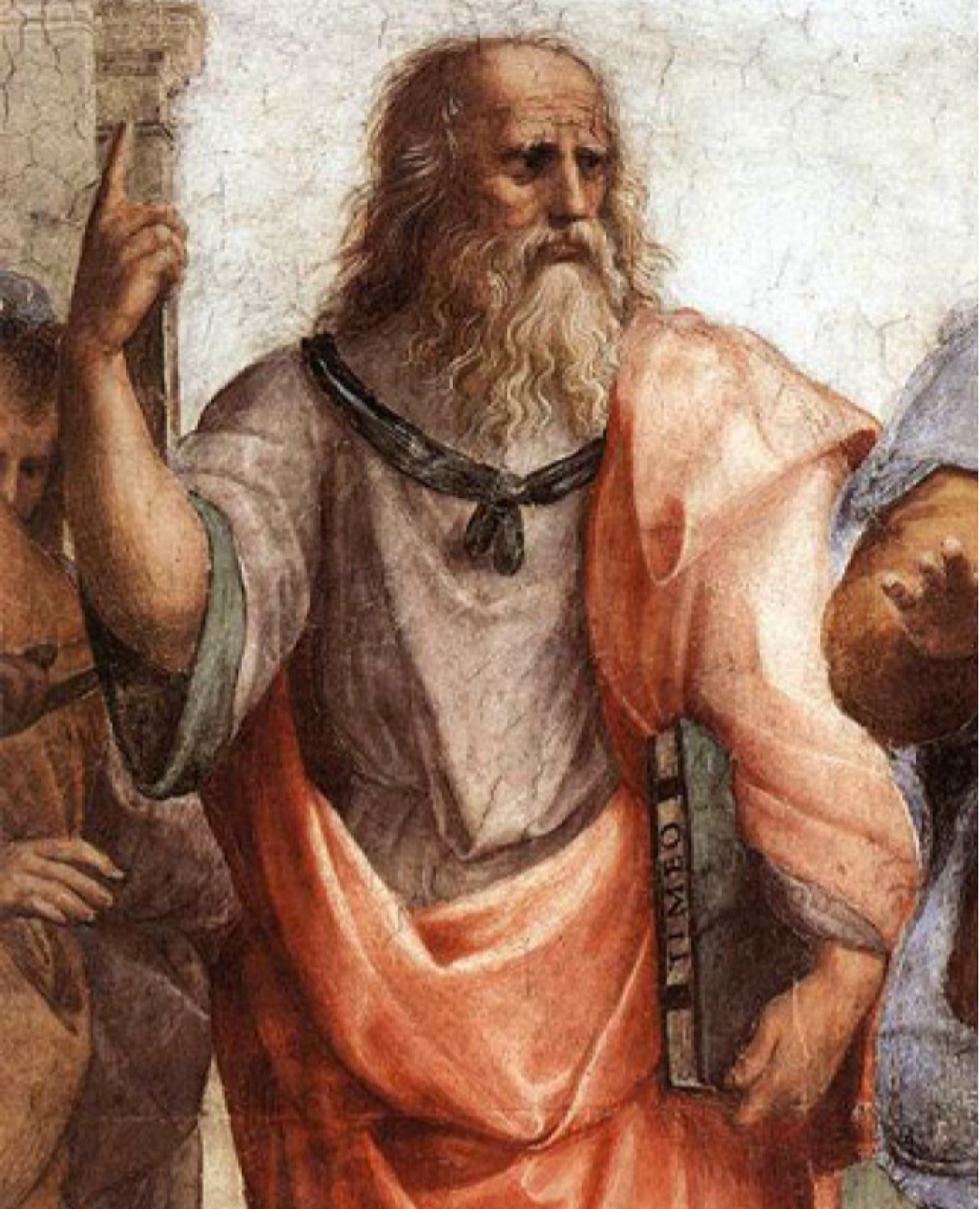
This discovery influenced ancient Greek thought. Plato and subsequent ancient Greek commentators on the Timaeus then elevated Pythagoras’s discovery of the numerical basis of musical intervals into the very principle of cosmic order: the beauty of the universe is the beauty of mathematical proportion made audible as the harmony, or music, of the spheres.
If the harmonies the ear finds most beautiful can be described by such elemental ratios, then perhaps the whole of creation is similarly ordered — and the mathematical apprehension of that order is itself part of how we perceive beauty. This hypothesis—that the universe’s order is fundamentally mathematical—remains today one of the governing assumptions of modern science, though the mathematical basis of beauty that derives from this assumption is not widely understood or accepted.
A fuller account of the mathematics underlying these harmonic relationships appears in the Mathematics of Beauty series on the Way of Beauty Substack, which you can read here.
For the early Christians, Pythagoras’s discovery pointed not only to the key to the beauty of the whole cosmos, but also beyond the cosmos to its Creator. Augustine and Boethius carried the Greek mathematical tradition into Christian thought, but with a decisive addition: for them, Number held the key not merely to the cosmos but to an aspect of the mind of God. Pope Benedict XVI articulated this in The Spirit of the Liturgy:
For Christians… a further step was taken with the help of the Trinitarian faith, faith in the Father, the Logos and the Pneuma. The mathematics of the universe does not exist by itself… it has a deeper foundation, the mind of the Creator. It comes from the Logos, in whom, so to speak, the archetypes of the world’s order are contained. The Logos through the Spirit fashions the material world according to these archetypes.[^5]
From Intervals to Modes: A Brief History of the Chant Scales
From the fundamental intervals identified by Pythagoras — the octave, the perfect fifth, the perfect fourth — the articulation of musical scales followed. The basic unit of the scale is an interval known as a “tone,” derived from the step between the fourth and fifth notes in the harmonic relationships Pythagoras discovered. Within this framework, an octave consists of six tones and two half-tones arranged across eight notes. Different ways of distributing those two half-tones within the octave produced different modes — the characteristic scales that give music its particular emotional and spiritual coloring.
Ancient Greek music, as described by Aristotle, appears to have used eight such modes. From this integration of Jewish and Greek traditions, early Christian chant developed and emerged organically. For centuries, it was an oral tradition, not codified or written down.
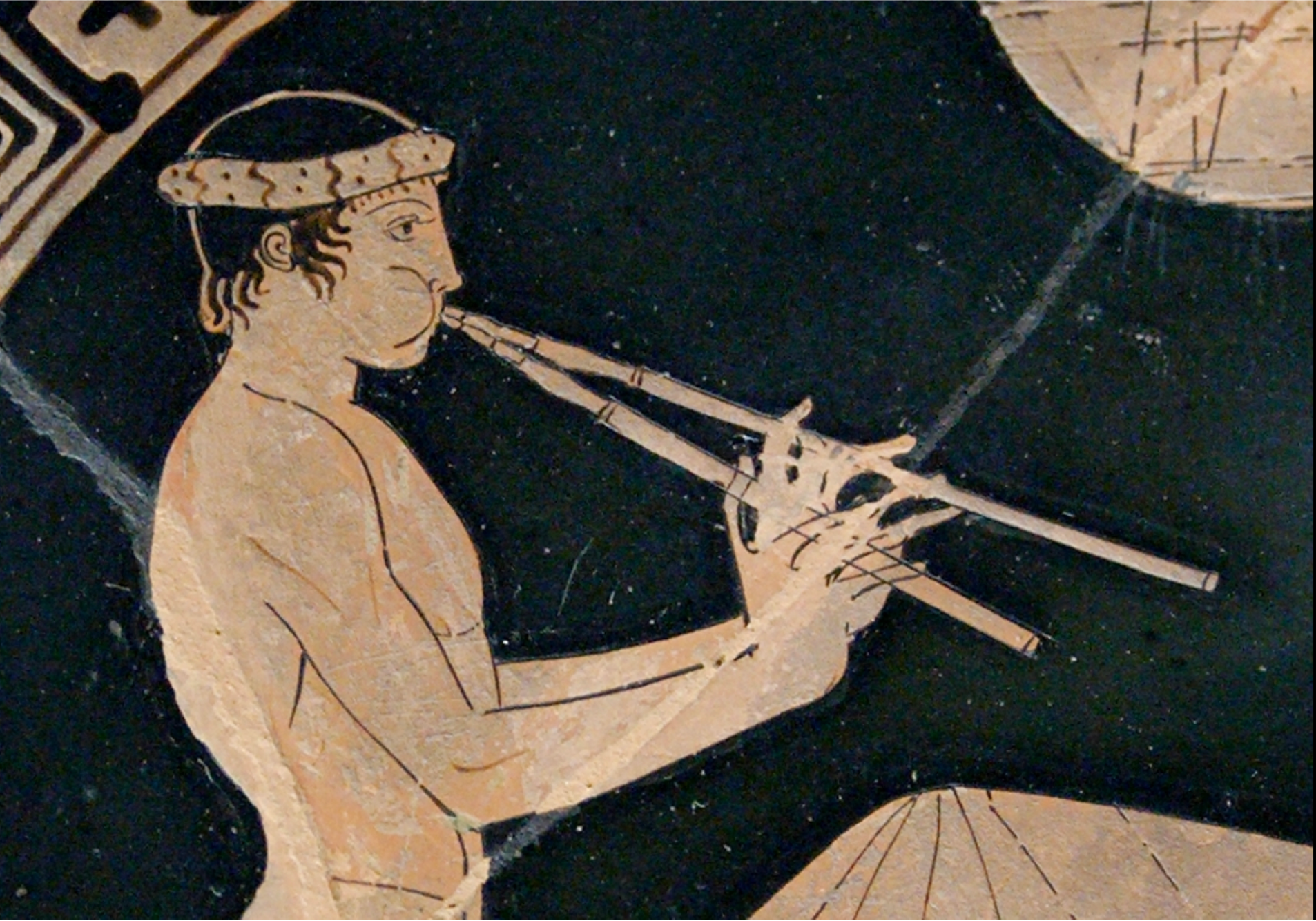
The codification of the Gregorian modes in the late eighth and ninth centuries (with the system fully attested by the early tenth) was largely an act of classifying an already existing oral repertory. That repertoire, transmitted for generations, displayed melodic habits and interval patterns that bore by now a partial resemblance to the ancient Greek modes described by Aristotle, but did not correspond precisely to them.
The eight-mode framework itself was likely not a music theory from which the tones were composed. It seems more like a theoretical system of classification imposed retrospectively on the received oral tradition, so the melodies could be organized into a systematic scheme. In short, the Gregorian modes were applied after the fact to music passed down by oral tradition — rather than serving as a generative theoretical basis from which the melodies were composed.
Three examples of Christian chant that use this modal structure are Byzantine chant, traditional Russian Znamenny chant, and Gregorian chant in the West. Each employs an eight-mode, eight-notes-per-mode system, though they differ in how they arrange the two necessary half-tone intervals relative to the starting note.
We have very little information on precisely how Gregorian chant developed from Greek music. We do not know what ancient Greek music sounded like, and have only written accounts of basic music theory as left to us in the writings of Greek philosophers. As already mentioned, it was not until the latter part of the first millennium — well into the Christian era and well after Gregorian chant was first developed — that we have written scores for chant. The Christian monks who eventually began annotating their chant believed the Gregorian modes were descended from the Greek modes, and they organized their scales accordingly as best they could.
The number eight governed not only the theoretical framework inherited from the Greeks, but conveniently also carried a specifically Christian significance. In Christian thought, the number eight is associated with the Resurrection: the eighth day of creation, the day beyond the weekly cycle of seven, the day on which Christ rose. Sunday, the Lord’s Day, is the “eighth day” — the first day of the new creation breaking into the old. One might speculate that it was no coincidence that the musicians who built the tradition organized the Church’s sacred music around eight modes and eight-note scales. The structure of the music conformed to the Christological structure of time itself and reinforced the belief that the incarnational pattern of the person of Christ permeated all of Creation and was the basis for its beauty and order. The theological significance of the number eight in the ordering of Christian time and liturgical art is treated more fully in Mathematics of Beauty 3 on the Way of Beauty Substack.
In practice, as in all great art, the theory served to create beauty rather than constrain it. The monks who assigned melodies to modal categories understood when to bend or adapt the rules that they were creating, and the beauty of the resulting chant was always the final test.
The DNA of Western Music
Gregorian chant is not a curiosity which is a carryover of medieval Catholic piety. It is the foundation of the entire Western musical tradition.
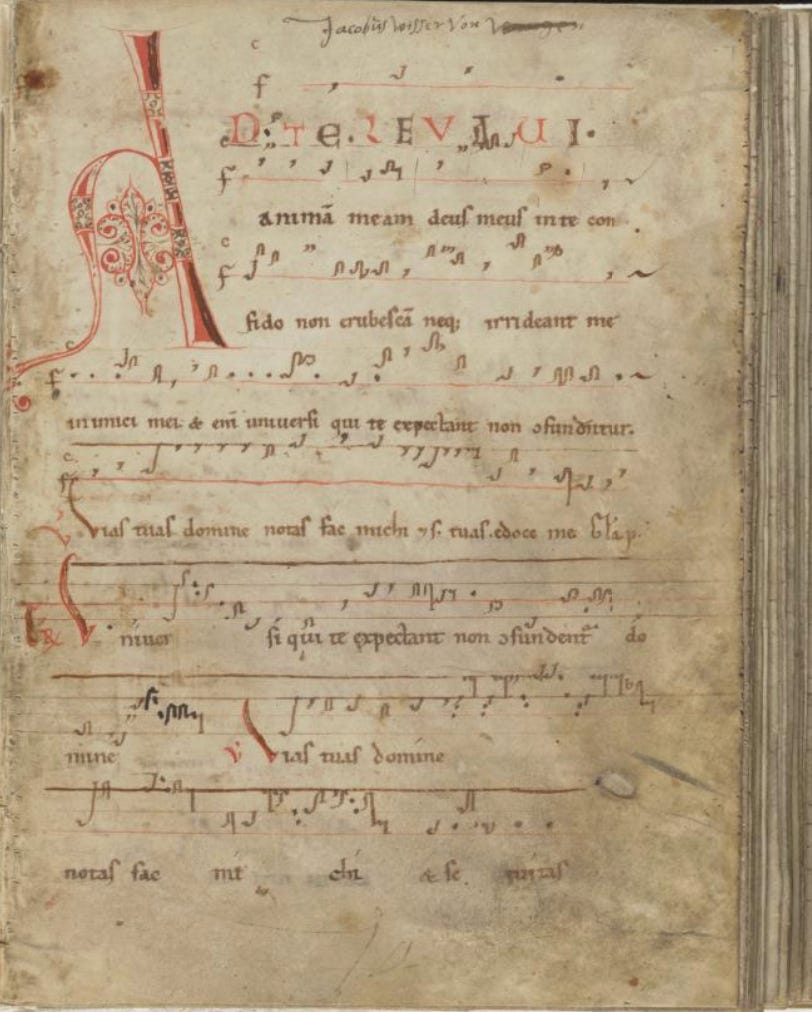
Western music developed from the Gregorian modes as they existed in the late ninth and tenth centuries. The modal system proved fertile enough to support the entire development of Western harmony — the creation of complex chords, the layering of voices in polyphony, the structural inventions of counterpoint and tonal composition. Sir James MacMillan, one of today’s most renowned composers (and who happens to be Catholic), described Gregorian chant as “the DNA of all Western music.”[^6] He is not saying that all Western music sounds like Gregorian chant, but rather that Western music grows out of it, as an oak grows from an acorn.
Mainstream music theory gradually moved away from the full range of modes used by Gregorian chant from the Renaissance onward. The twelve-tone scale, developed in the 16th century, subdivided the octave into twelve half-tones—which eventually gave the piano keyboard its familiar arrangement of white and black notes. From this, Western composition progressively narrowed to two modes, the major and minor keys that most music students know today, retaining the standard seven-note scale plus the octave, but abandoning the richer tonal palette of the original eight modes. Folk music generally relies on the pentatonic scale of five notes within the octave — simpler, but still compatible with the governing structures of the octave, fourth, and fifth.
Gregorian chant, by contrast, retains an eight-mode system to this day.
Why These Melodies Form the Soul
If the Gregorian modes correspond to the deep patterns of cosmic order — patterns the ancient Greeks first identified and the Church Fathers recognized as reflecting the mind of the Logos — then the effect of regular Gregorian chant on those who sing it is not mysterious. It is a musical formation in divine beauty.
For each of the eight modes, we find repeated clustered patterns of notes that become the recognizable building blocks of its characteristic melodies. Singing Gregorian chant regularly impresses upon the soul the fundamental code of that beauty: those characteristic melodic patterns, repeated across months and years of daily prayer, gradually form the intuitive sense of what is harmonious, proportionate, and beautiful.
This formation operates primarily at the level of intuition rather than discursive reason. And those who have prayed the psalms in Gregorian chant over many years often find that their intuition of beauty extends naturally beyond music: their daily work is done more gracefully, their creativity more assured, and their perception of the hand of God in the natural world more acute and joyously appreciated. Once the music has been internalized, it acts as a bridge between divine and human creativity in all fields.
This is why the Church speaks of Gregorian chant as not merely appropriate or permitted, but specially suited—the music that, over centuries of observed practice, most reliably forms those who sing it to a love of Christ and neighbor through a joy in apprehending the beauty that speaks of the Creator.
A Note for Protestant Readers
Some Protestant readers may wonder whether recommending Gregorian chant amounts to recommending an exclusively Catholic form of music. The concern is understandable, but you can be reassured that this is not the case.
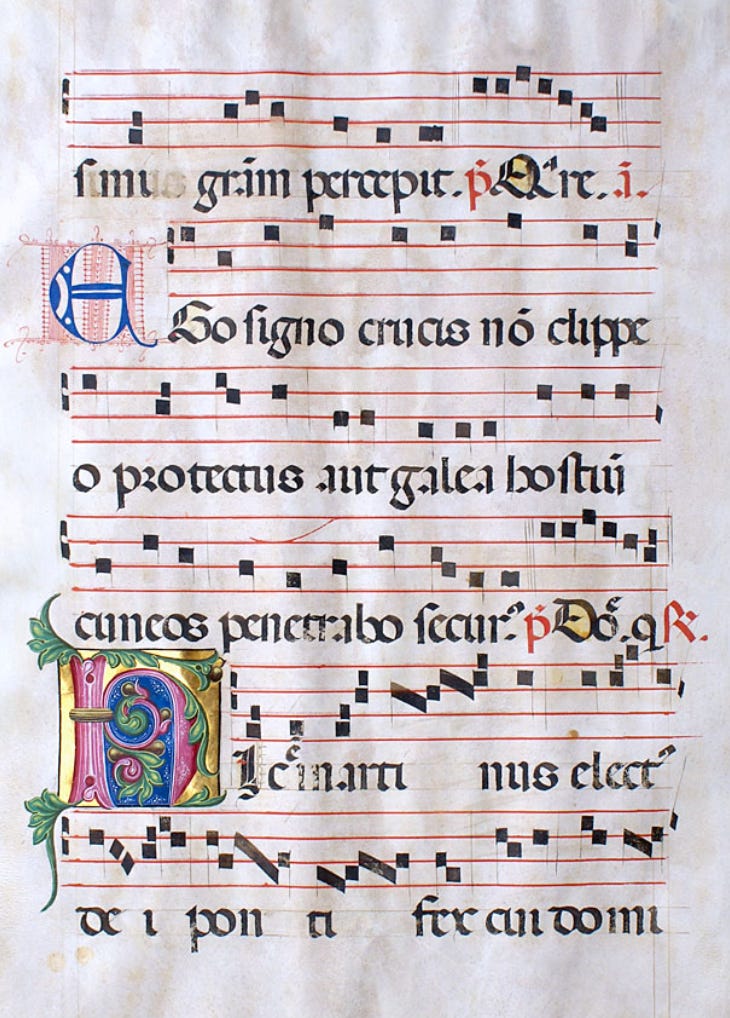
Lutherans, for example, used Gregorian chant from the very beginning. The chorale tradition Luther developed came directly from the Minnesinger tradition of setting German texts to Latin chant melodies—these arrangements were called contrafacta. American Lutherans still use psalm tones closely related to the Gregorian tones.[^7] The Church of England preserved chant at the heart of its cathedral and collegiate worship from the Reformation onward; the Anglican chant tradition, still in use today at Evensong in English cathedrals, is a direct development of the Gregorian inheritance.
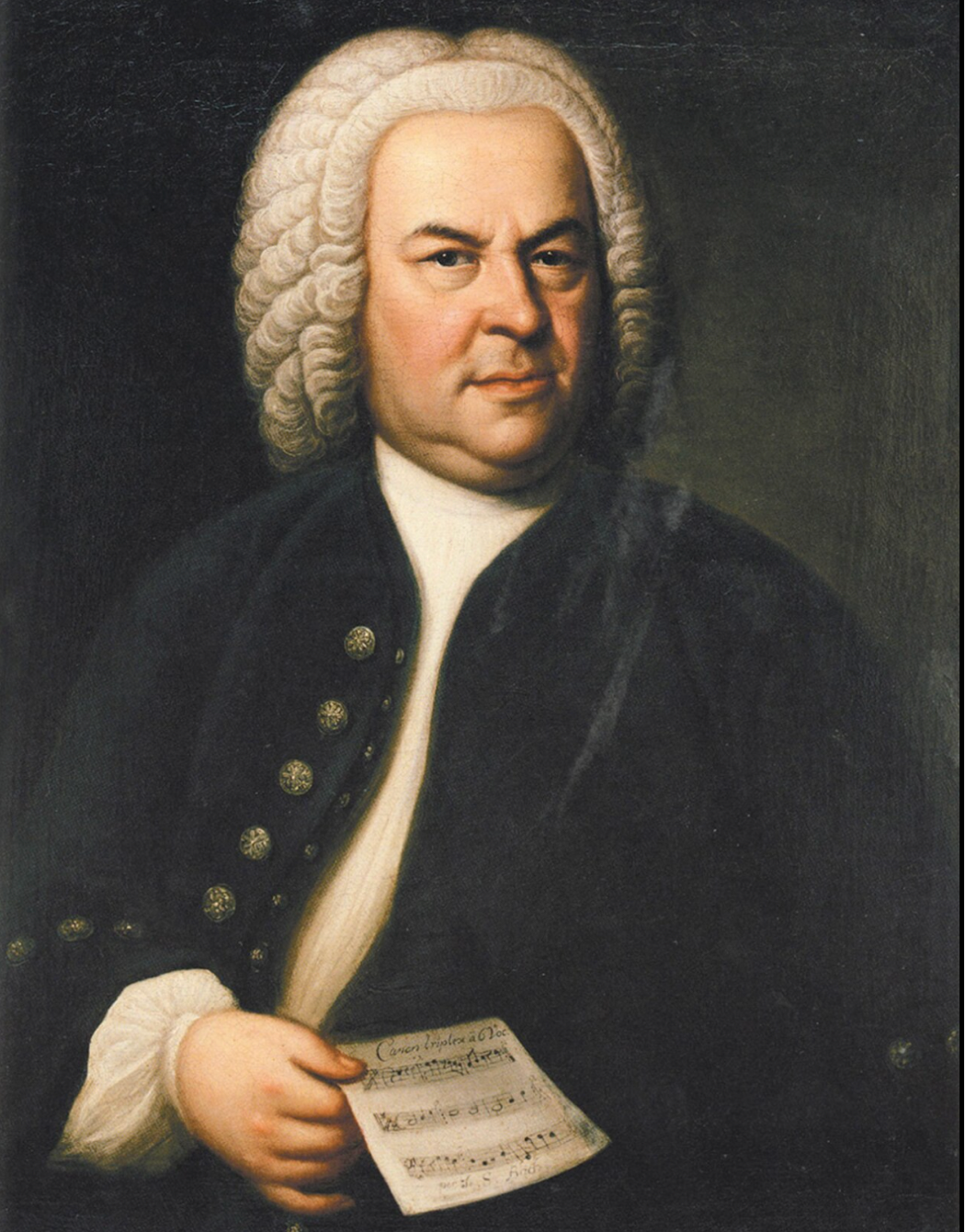
More fundamentally, Gregorian chant is not Roman Catholic in origin but more broadly Christian — and before that, Jewish. Its roots lie in the cantillation of the Jerusalem Temple, as already mentioned, and were carried by Jewish converts into the first Christian communities, gradually shaped by the Greek musical theory the Church Fathers received as part of their intellectual inheritance. The eight-mode system, the characteristic melodic patterns, and the mathematical relationships of octave, fifth, and fourth belong to the whole tradition of Western civilization, sacred and secular alike. They comprise, exactly as Sir James MacMillan says, the living source from which all Western music has developed: informing the music of Bach as much as Palestrina, in the Lutheran chorale as much as in the Roman Mass.
What the Catholic Church has done is preserve and transmit this tradition with particular care, so that it remains available to be recovered where it has been lost. But the music belongs to everyone who sings it, and the formation it offers is available to any Christian who takes up the psalms and sets them to these ancient tones.
To order and for more information about Musica Domestica, go to musicadomestica.com
[^1]: Second Vatican Council, Sacrosanctum Concilium (Constitution on the Sacred Liturgy), §116 (1963).
[^2]: Augustine of Hippo, Confessions, Book X, Chapter 27.
[^3]: Pseudo-Dionysius the Areopagite, Divine Names, Chapter 4:7.
[^4]: John Paul II, Letter to Artists (1999), 3.
[^5]: Benedict XVI, The Spirit of the Liturgy, Ignatius Press, 2000, p. 153.
[^6]: Sir James MacMillan, interview with the Scala Foundation, June 2024.
[^7]: Information about the Lutheran tradition came from a private communication from Dr John Ahern of Coverdale House.