


Stimulate your God-given creative faculty by doing something every week that has making something beautiful as a goal, such as art, music, gardening, embroidery, etc. You don’t have to have great natural talent. This is about stimulating and nurturing your natural, God-given faculty for creativity. Once you discover your personal calling, your creativity will naturally express itself in that aspect of your new life.
(From the Daily Weekly Rountine of the Way of Beauty)
Introduction
The Romantic ethos, emerging in the 18th century, established art as a medium for self-expression, promising to liberate human creativity, originality, and inspiration by breaking from tradition. The idea of art as self-expression gained dominance, gradually taking hold so that by the mid-20th century, with the rise of modernism and, later, postmodernism which also incorporated the principle, the new ethos had largely supplanted all traditional approaches to the fine arts: artists no longer prioritized divine beauty, instead embracing what was often openly acknowledged as an ethos of ugliness and a culture of despair—lauded as positive attributes so long as they reflected what the artists’ feelings.
In contrast, the traditional Christian approach to creativity looks beyond the inward gaze of the artist and searches for inspiration from God. A traditional art training, as one might have received 200 years ago, had this end in mind and consequently fostered a profound understanding of beauty through spiritual, cultural, and practical disciplines. By submitting to God’s will and aligning with divine beauty, artists paradoxically unlocked greater variety and originality. They were tapping into the infinite God, rather than the finite self. Western culture, historically rich and diverse in its artistic expressions, thrived under this paradigm until the Romantic ethos took hold. Today, the modern and postmodern emphasis on novelty outside the divine order often results in the opposite of what is intended: a monotonous sameness, which one might call an aggressive cocophany in form. The relentless pursuit of novelty in the name of self-expression results in superficiality or ugliness. If it has power, it is to communicate despair and misery, not what is good. The never-ending search for originality, pursued as an end in itself and without reference to divine or cosmic beauty, points to a world untouched by God, one that speaks of disorder and chaos.
The Scala Foundation’s Way of Beauty process offers a counterpoint to modernism, postmodernism, and self-expression by immersing people—artists and non-artists alike—in the divine order and potentially engendering a joyful creativity in all human activity. Based on the traditional formation given to artists, this approach teaches them to appreciate and replicate the patterns of beauty found in the natural world and the great works of the past. By creating within the paradigm of divine and cosmic beauty, artists tap into an infinitely varied and rich source of inspiration, with God as the ultimate wellspring of ideas. Further, as co-creators with God, they participate in His redemptive work, bringing glory to Him and joy to creation, which in turn fosters their own profound joy.

The Christian Understanding of Creativity
The Romantic notion of creativity, which relies solely on the individual’s inner resources, is inherently limited and quickly exhausts itself. It is a well that runs dry very quickly! In contrast, the Christian understanding of creativity draws inspiration from God as an infinite and endlessly varied source. To appreciate how this enriches human creativity, we must first distinguish between divine and human creativity.
Divine creativity is boundless: God creates ex nihilo—from nothing. An idea in the divine mind is instantly manifested, either through instantaneous creation or by reshaping existing matter according to His plan. Considering the material universe, creation is sustained by His will and governed by the physical laws He established. Human creativity, however, is constrained. We begin with an idea, but can only mold existing matter to reflect it. Our ideas may be wholly novel or alternatively they may be close to what has been done in the past, but this matters little. For the Christian artist, the pursuit of novelty is not the primary aim, unlike the Romantic artist. Instead, the Christian seeks to align all creations, novel or not, with God’s plan, ensuring they embody goodness, beauty, and truth.
A Christian artist, therefore, creates at the height of his powers when he receives good ideas and manifests them skillfully. This raises a fundamental question: where do good ideas come from? The answer lies in divine inspiration. All that is good originates from God. Good ideas do not stem from the individual but are received by or stimulated in the person who cooperates fully with them. By aligning with God’s infinite source of inspiration, the Christian artist taps into a wellspring of creativity that is both profound and inexhaustible.
Divine Inspiration: The Source of True Beauty
This perspective on inspiration stands in sharp contrast to Romantic, Modern, and Post-Modern approaches, which often prioritize human emotion or novelty over divine truth. For Christians, the imagination reaches its fullest potential when ignited by divine inspiration. This inspired imagination draws on the store sensory experiences and images in the memory to create something new. While God can, in rare instances, implant an image directly without sensory mediation, human creativity typically involves integrating sensory information under divine guidance.
Unlike the Romantic view, which measures inspiration by the intensity of emotion, the Christian approach evaluates inspiration by the quality of the outcome. In making such a judgment, we can ask ourselves, for example, Is the work good, beautiful, and reflective of love for others? This process embodies techne, a Greek term for “craft” or “art,” denoting the practical skill and intentional expertise used to create something purposeful, good, and beautiful. Techne is a practical virtue that harmonizes intellect and will, applicable not only to artistic endeavors but to all human activities when directed toward divine beauty and truth. The creative process, though often delightful, is not judged by emotional satisfaction or ease but by its alignment with divine beauty. At times, it requires discipline and perseverance to bring inspired ideas to life faithfully.
This creative act can be described as co-creativity with God, where humans rely on Him as the source of ideas and depend on His grace to guide their efforts. As mentioned, such co-creation, driven by a “graced imagination,” extends beyond artistic pursuits to any human activity, enabling it to be performed gracefully, beautifully, lovingly, and joyfully.
As Pope John Paul II wrote in his Letter to Artists (Vatican City: Libreria Editrice Vaticana, 1999), par. 2:
“Not all are called to be artists in the specific sense of the term. Yet, as Genesis has it, all men and women are entrusted with the task of crafting their own life: in a certain sense, they are to make of it a work of art, a masterpiece.”
Christian Originality: Beyond Romantic Individualism
The Romantic pursuit of originality through self-expression has dominated human endeavor, equating goodness with uniqueness and novelty. Initially, Romanticism celebrated emotional responses to the beauty of the natural world, but its internal logic gradually shifted inward, focusing more on the artist’s inner psyche rather than the external world. This trajectory, effectively moving away from God and toward a self-contained reality, has increasingly defined the ethos in the modern era, resulting in works of art that often reflect isolation rather than connection. This vision frequently disregards whether a work is beautiful or its impact on others and their relationship with God - considerations central to the Christian perspective - prioritizing simply an accurate reflection of what the person thinks and feels, without regard to the quality of those thoughts or emotions.
In contrast, the Christian understanding of originality recognizes that the unique essence of each person naturally shines through in their work, whether they aim to replicate a past creation or produce something entirely new. Originality, in this view, is not the primary goal but an inevitable outcome of authentic human effort.
Christian originality operates in two dimensions: it reflects to a greater or lesser degree, both the unique mark of the individual, even without deliberate pursuit, and is rooted in God, the origin of all things. This grounding in the divine makes the Christian intention a higher good than the Romantic ideal, as it aligns with supernatural purpose rather than merely human goals. For a work to be good in the Christian sense, it must reflect God’s purpose and so bring glory to God and joy to others. The degree of novelty is of little concern, valued only to the extent that it serves these primary aims.
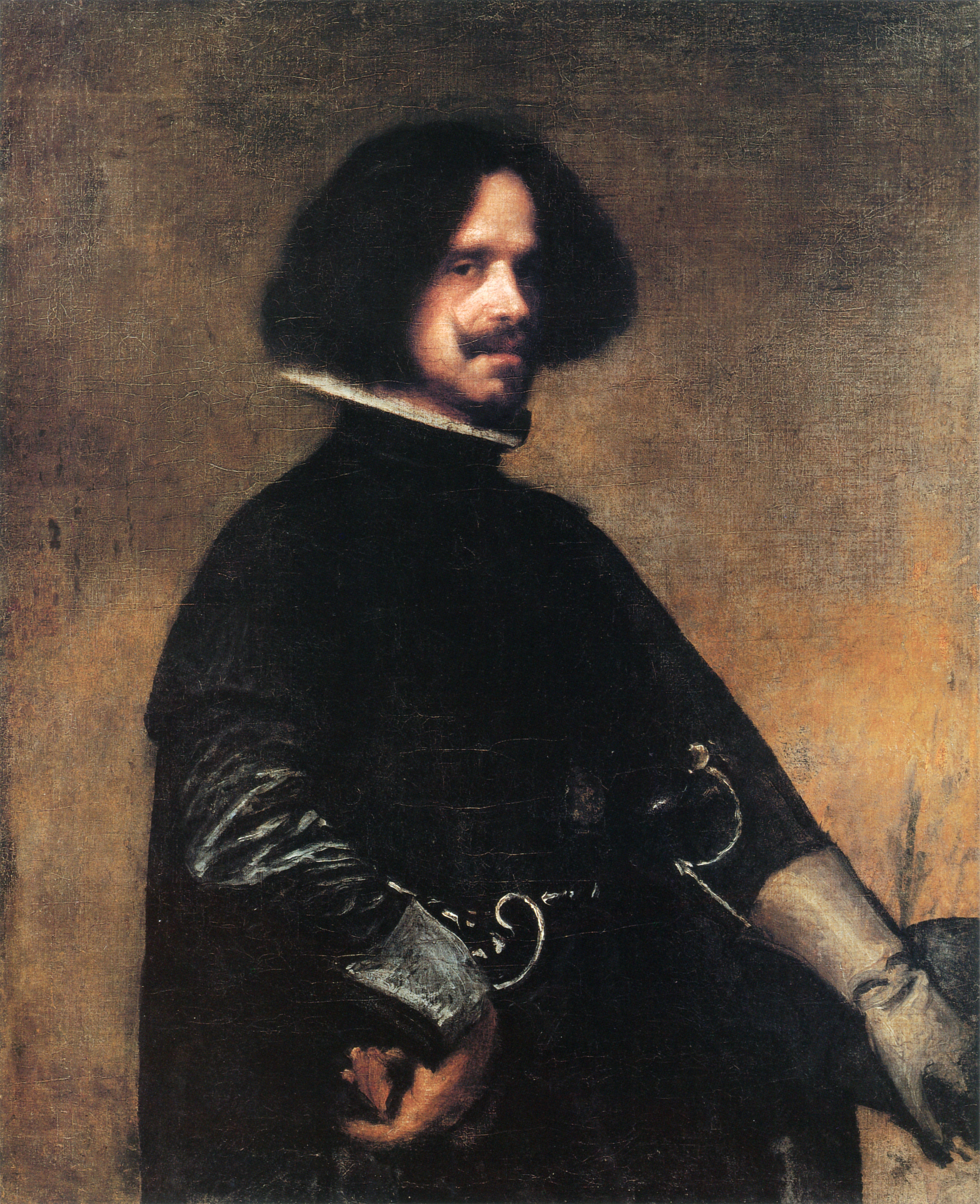
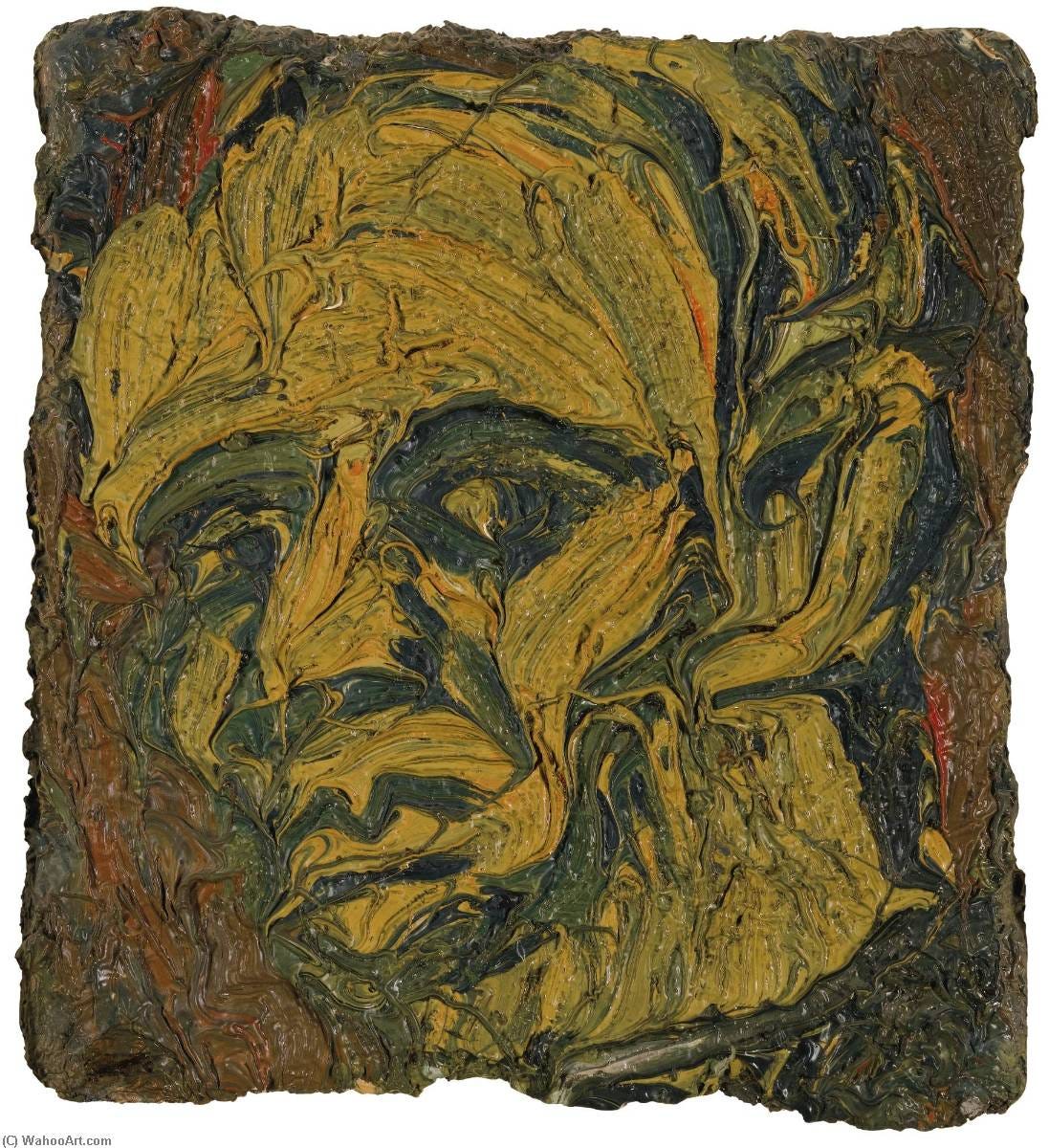
Below - self-portraits, one is traditional, one is modern, driven by the ethos of self-expression - which one better expresses the self, do you think?
Why Pursue Christian Creativity?
The call to creativity stems from our role as co-creators with God, participating in His ongoing work of elevating the world toward its ultimate destiny. This pursuit is not about achieving fame or career success—though these may occur—but is instead aimed at glorifying God and bringing joy to others through artefacts that are graceful, beautiful, and crafted with love. By creating in harmony with God’s plan, we participate in the work of redemption, uplifting all creation incrementally and deepening our connection to the divine. This alignment with God’s purpose fulfills His call in a profound way, inspiring others to seek Him. As an act of charity, such creativity not only benefits those who encounter our work but also fills us with greater joy.
God inspires whomsoever He pleases out of love for us. He does not do so at our command. There are non-Christians who produce beautiful work and Christians who, with all the formation in the world, will paint a beautiful painting. However, we can say that all that is beautiful and made by man is inspired by God, regardless of whether or not the artisan acknowledges the fact, and that He will inspire us in what we do if we pursue his call, whatever that may be.
The Way of Beauty Process: Formation in Christian Creativity
The Way of Beauty process, developed by the Scala Foundation, is a distillation of a traditional artist formation into accessible daily and weekly practices. When embraced as habits, these practices yield profound, life-changing effects, fostering a deeper relationship with God, enhanced creativity, and a renewed sense of joy and purpose. Central to this process are spiritual exercises that help individuals discern their personal vocation—the unique calling from God. When this vocation is infused with the graced imagination and creativity nurtured by the process, it naturally flows through our work, enabling us to contribute humbly yet powerfully to the lives of others and to positively transform the wider culture.
The Way of Beauty integrates the essentials of a disciplined Christian life—prayer, meditation, contemplation, charity, good works, and regular creative practice—to open us to God’s inspiration and manifest it through techne, the practical virtue of creating what is good and beautiful. Drawing from The Way of Beauty and The Vision for You by David Clayton, the process includes the following key components:
Christian Inculturation
By cultivating an appreciation for the beauty of nature and the great works of the past, we develop a habit of creativity oriented toward producing beauty. This inculturation aligns our creative efforts with cosmic and divine beauty, allowing all our actions to participate in God’s order.
Spiritual Habits
Practices such as prayer, meditation, contemplation, charity, and worship draw us closer to God, transforming us and aligning our creative faculties with His will. These spiritual habits, integral to the Way of Beauty process, foster a graced imagination that enhances our ability to create in harmony with divine inspiration.
The Psalms
Regularly praying the Psalms is a cornerstone of this formation. Through their poetic language, vivid imagery, and God-inspired moral and theological content, the Psalms guide us toward contemplation of God, enriching our creative imagination.
Regular Creative Practice
The Way of Beauty encourages weekly engagement in creative activities—such as art, music, gardening, or embroidery—designed to produce beauty. Accessible to all, regardless of natural talent, this practice nurtures our God-given creative faculty. As we discern our personal calling, our creativity naturally expresses itself in alignment with our vocation, amplifying our joy and service to others.
Conclusion
In embracing the Christian vision of creativity, we move beyond the limitations of Romantic individualism to participate in a divine partnership that infuses our lives and work with purpose, beauty, and joy. The Way of Beauty process equips us to live out this calling, transforming not only our own creations but also the world around us, as we co-create with God to bring His redemptive love to all.
Contact me if you want more information about the Way of Beauty program
still waiting on info about the german chapter...