

 Why an education in beauty and the Liturgy of the Hours are important in the formation of lay people as part of the New Evangelisation. Thomas More College of Liberal Arts was treated to a lecture by a husband-and-wife team of theologians who both teach at St John's Seminary at Boston. David and Angela Franks run the newly established Masters of Theological Studies for the New Evangelization. Although based at the Seminary, this is aimed at lay formation and can be taken on a part-time basis. It is the first new programme of the Seminary's newly established, Theological Institute for the New Evangelisation (TINE).
David and Angela inspired our students (and myself!) with the vision that the Church has for the role of lay people in evangelising the modern world, charactererised by John Paul II as the New Evangelisation. All this is invaluable in itself, but what surprised and interested me particularly was their assertion that an education in beauty is an essential element in the formation of the individual who is going to be carry out their mission of taking the Word to the world. Furthermore, they highlighted the importance of the Liturgy of the Hours in this education.
Why an education in beauty and the Liturgy of the Hours are important in the formation of lay people as part of the New Evangelisation. Thomas More College of Liberal Arts was treated to a lecture by a husband-and-wife team of theologians who both teach at St John's Seminary at Boston. David and Angela Franks run the newly established Masters of Theological Studies for the New Evangelization. Although based at the Seminary, this is aimed at lay formation and can be taken on a part-time basis. It is the first new programme of the Seminary's newly established, Theological Institute for the New Evangelisation (TINE).
David and Angela inspired our students (and myself!) with the vision that the Church has for the role of lay people in evangelising the modern world, charactererised by John Paul II as the New Evangelisation. All this is invaluable in itself, but what surprised and interested me particularly was their assertion that an education in beauty is an essential element in the formation of the individual who is going to be carry out their mission of taking the Word to the world. Furthermore, they highlighted the importance of the Liturgy of the Hours in this education.
They described a process that is both active and reactive. The active role is one of living the life of faith, which is ultimately living the life of love that God intends for us. And we should do so, they said, without apologising for it!
There is a description in the Acts of the Apostles of the growth of the early Church in which people were attracted to the Christian life, we are told, 'because they loved each other'. When we lead a life of love then our lives will be beacons of light that will arouse curiosity in this secular society. Love is not so much a set of feelings but rather a set of actions motivated for the good of the other. That requires fortitude especially because it is precisely this that will cause us to stand out in the crowd and because, as David puts it, we live in an age when 'powerful forces are arrayed against true love'.
 That light will be brightest when we are answering most completely the personal vocation that God has made to us (aside from following the commandments of the Church). The determination of this personal vocation is an important early step therefore. I was lucky in my own life in being given some inspired guidance in trying to discern what this might be. This has ended up in me doing what I am now at Thomas More College. I have described the process here. The programme at the St John's Seminary offers guidance also in this first step.
The second part is reactive. When people see a life of love it arouses curiosity and they ask questions. At this point we need to be able to answer them truthfully and prudently. Part of the programme at St John's is about equipping people with knowledge of the truth - we must know what the Church teaches, or at the very least, where to go to find out what the Church teaches.
But also, we must present this information in such a way that it continues to attract people. Force of logic will only take you so far. It is not just what you say, but how you say it. Prudence guides this. While knowing what to say and when can be trained in some ways directly, so much of this is about developing an intuitive sense of it. A key principle in operation here is beauty. When we do something attractively, we are doing it beautifully. This is why a training in beauty is so important, we were told. It develops that instantaneous intuitive sense of knowing what to do best.
After the talk there was a lively question and answer session and one student asked directly. What should we be aiming for in our spiritual lives in order to be able to achieve this? To my great delight, David answered without hesitation, that beyond the basic requirements of the sacramental life, he felt that the Liturgy of the Hours was a powerful and 'supremely effective' form of prayer.
David and Angela invite everyone who might be interested to take a look at the exciting opportunities for lay people offered by St John's Seminary. You can find out more by going to the www.sjs.edu and clicking on the 'TINE' logo.
For a growing series of articles about the Liturgy of the Hours as part of The Way of Beauty, see here.
Thomas More College of Liberal Arts offers a traditional education in beauty, incorporating the Liturgy of the Hours as one of the key components of the spiritual life of the college. The course, The Way of Beauty is part of its core curriculum with the intention of offering our students to best chance of coming out as ambassadors of the New Evangelisation.
In addition, our summer programme has short courses open to everyone to teach precisely this. Artists and musicians can learn it in conjunction with the skills of icon painting, academic drawing or Gregorian chant in our two-week programmes in July. Our weekend retreat in creativity and inspiration in August offers everyone else the chance to learn the traditional education in beauty - developed as part of the training of artists - but without having to learn the artistic skills. For more information about all of these courses see here.
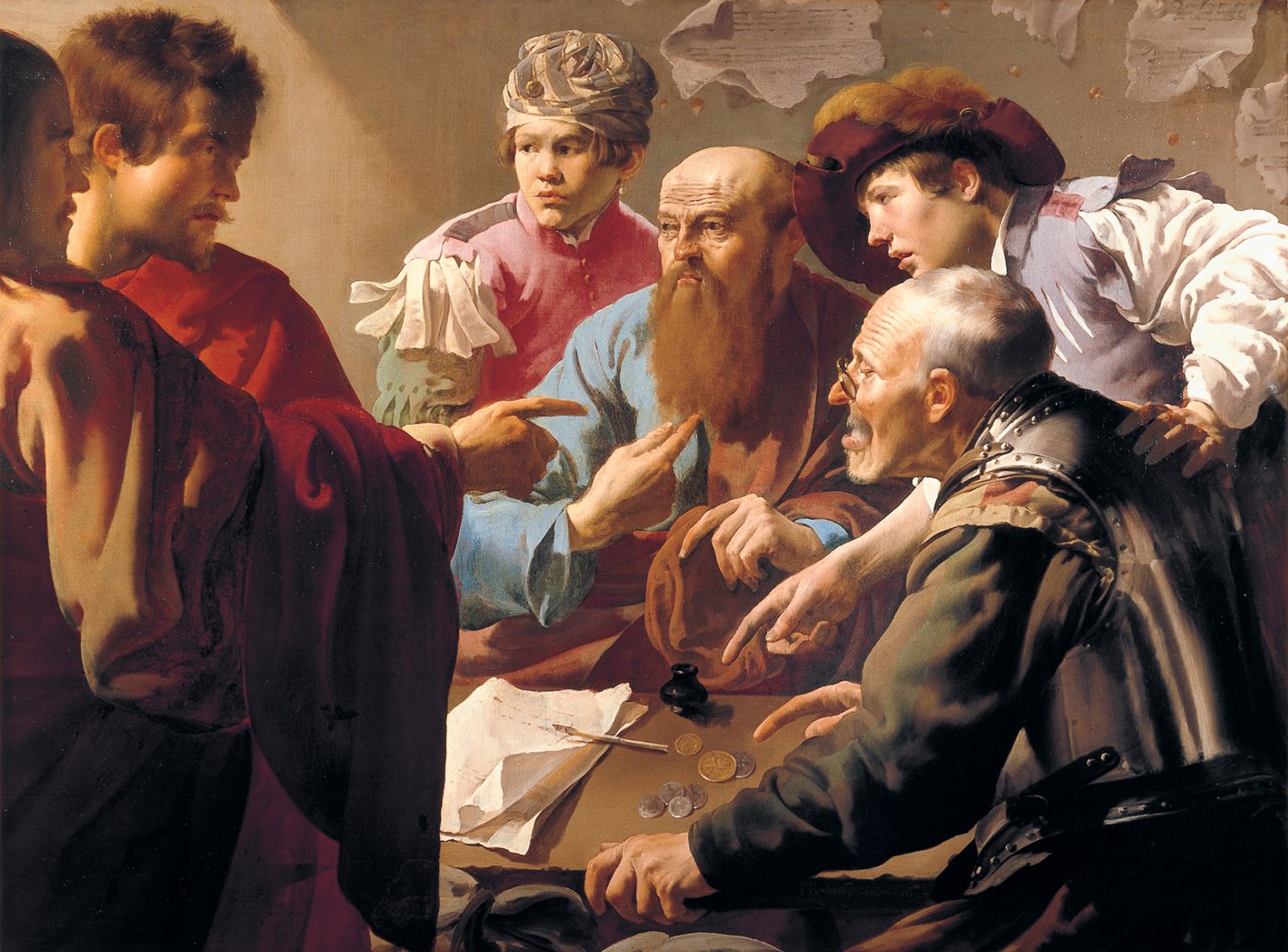
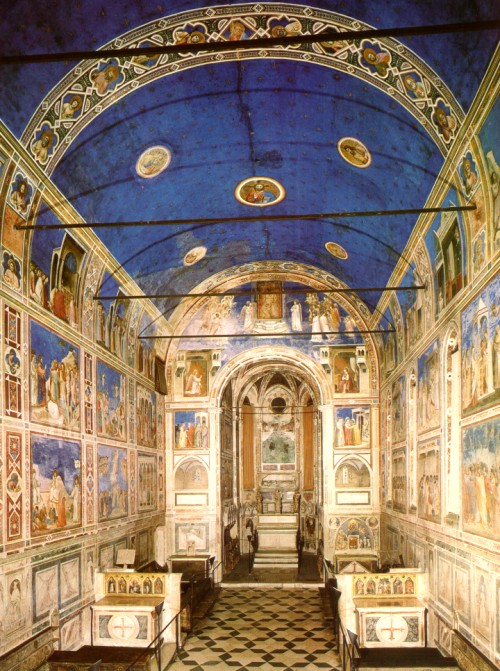
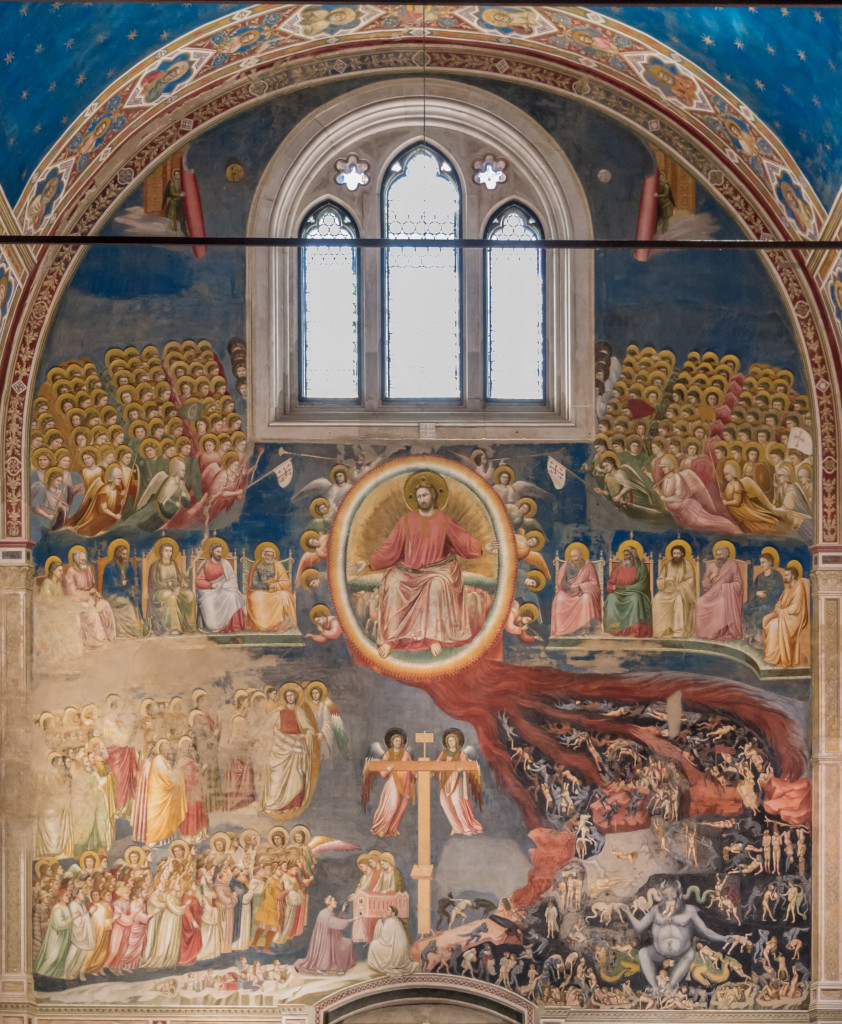
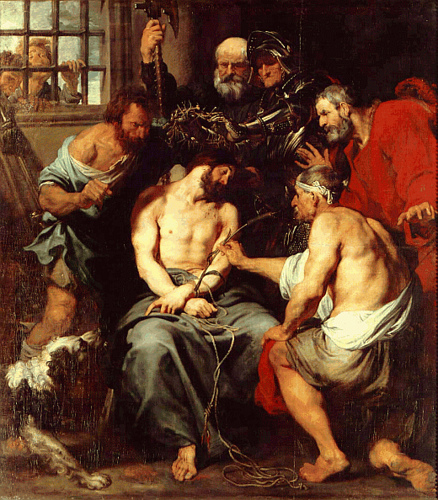
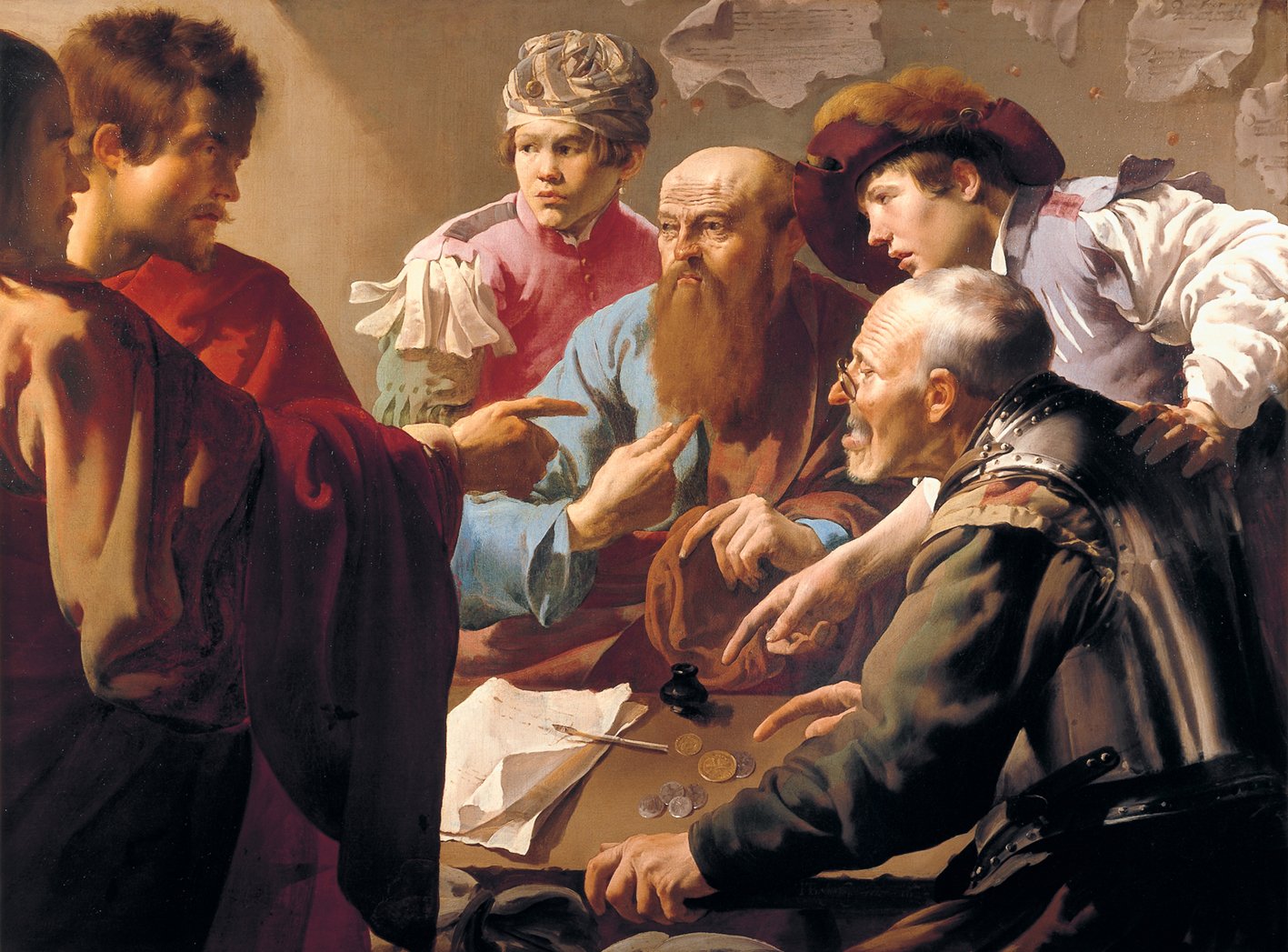
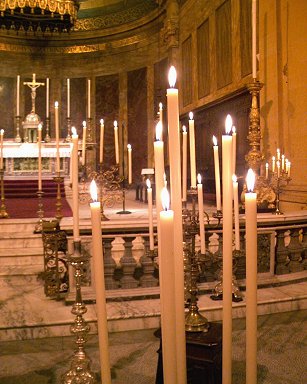
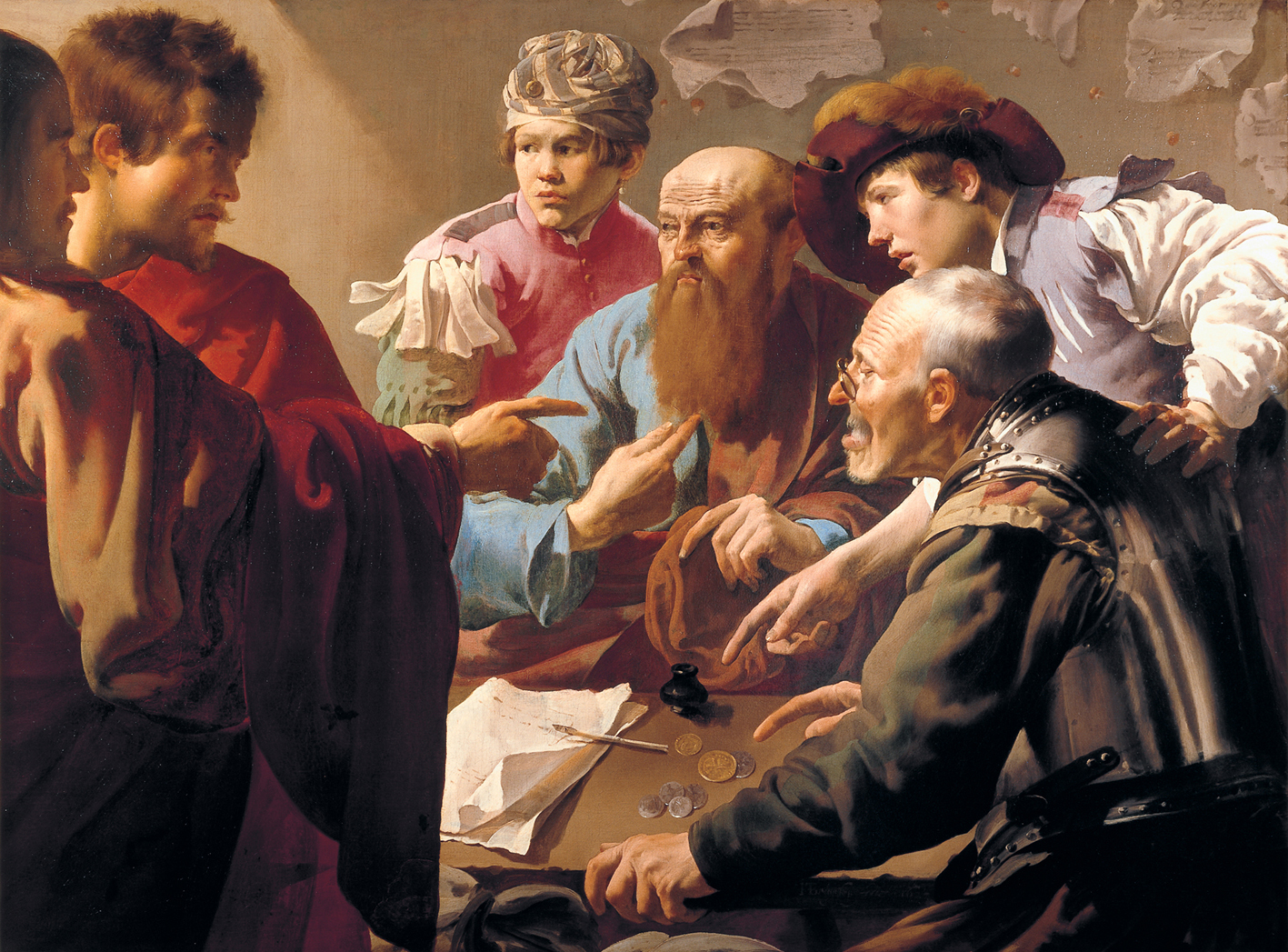
Images Top and bottom: The Calling of St Matthew by Hendrick ter Brugghen, 1621; candles at the Birmingham Oratory, England; The Presentation of Jesus at the Temple (Candlemass) by Tintoretto, c1550





 Interestingly, this ratio (5:3) appears also in the description of the construction of the Noah’s ark. St Augustine directly links the dimensions of Noah’s ark to the perfect proportions of a man, exemplified he says, in Christ. This echoes the classical proportions of the perfect man as described by the Roman Vitruvius in his textbook for architects. Furthermore, Boethius, in his book De Arithmetica, lists a series of 10 perfect proportions that he says came from Pythagoras, Plato, Aristotle and ‘later thinkers’. The final proportion of the series, called the Fourth of Four contains right at the beginning this ratio. (The references for these can be found in an article Harmonious Proportion in the Christian Tradition, here.)



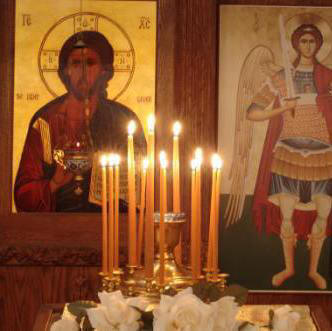 It seems to me now that the answer is so much simpler than most of these books suggest. This was to use the methods of the Old Masters of the past. All it requires of me is sufficient humility to follow the traditional forms of Western culture. A traditional art education will engender that humility by requiring me to follow the precise directions of the teacher, and by following in the footsteps of the Old Masters by regularly copying their work.
  Upon further reflection, and coming back to this issue of creativity for artists, something that struck me is how unlikely it is that an artist who is not habitually praying with visual imagery is going to be able to produce art that nourishes prayer. If I am habitually making that connection between the prayer and the image, then I will instinctively produce art that nourishes my own prayer. If I am praying well, then that art will be beautiful and will, in turn, nourish the prayers of others. This practice of praying with visual imagery is developing my instincts for what is beautiful. It is also engaging my vision in the prayer, and conforming it to the liturgical practice. This is an act of humility therefore that opens the person as a whole to inspiration and guidance , with a particular focus on that faculty of the visual.
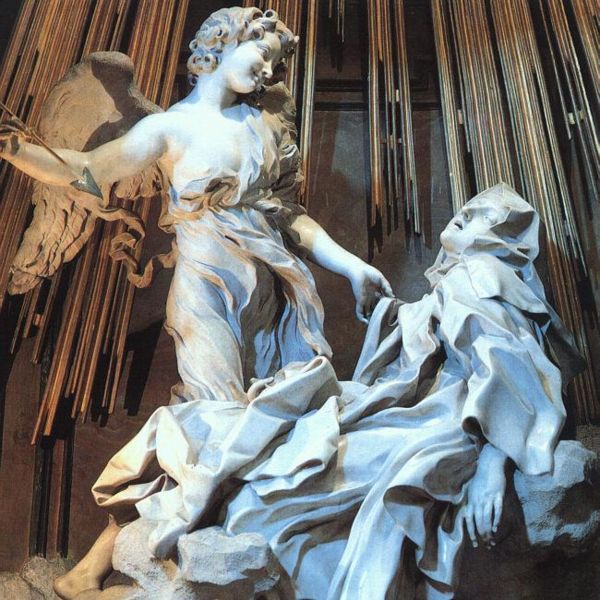
 The Melkite Liturgy at Thomas More College of Liberal Arts, Merrimack, NH. Chaplain, Fr Boucher turns to the icon of Christ at a point when he is addressing Him directly.





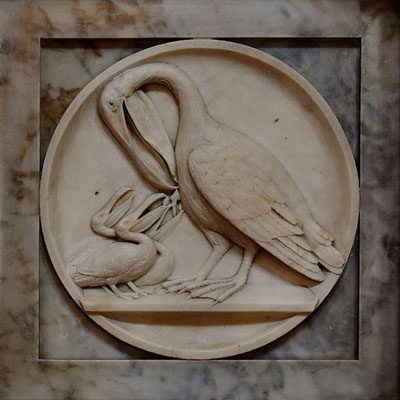 Is there a danger that trying to reestablish traditional Christian symbols in art would sow confusion rather that clarity? Lots of talks and articles about traditional Christian art I see discuss the symbolism of the iconographic content; for example, the meaning of the acacia bush (the immortality of the soul) or the peacock (again, immortality). This is useful if we have a printed (or perhaps for a few of you an original) Old Master in church or a prayer corner as it will enhance our prayer life when contemplating the image. But is this something that we ought to be aiming to reinstate the same symbolism in what we produce today? Should we seek to educate artists to include this symbolic language in their art?
If symbols are meant to communicate and clarify, they should be readily understood by those who see them. This might have been the case when they were introduced – very likely they reflected aspects of the culture at the time – and afterwards when the tradition was still living and so knowledge of this was handed on. But for most it isn’t true now. How many would recognize the characteristics of an acacia bush, never mind what it symbolizes? If you ask someone today who has not been educated in traditional Christian symbolism in art what the peacock means, my guess is that they are more likely to suggest pride, referring to the expression, ‘as proud as peacock’. So the use of the peacock would not clarify, in fact it would do worse than mystify, it might actually mislead. (The reason for the use of the peacock as a symbol of immortality, as I understand it, is the ancient belief that its flesh was incorruptible). So to reestablish this sign language would be a huge task. We would not only have to educate the artists, but also educate everyone for whom the art was intended to read the symbolism. If this is the case, why bother at all, it doesn’t seem to helping very much, and in the end it will always exclude those who are not part of the cognoscenti . This is exactly the opposite of what is desired: for the greater number, it would not draw them into contemplation of the Truth, but push them out.
Is there a danger that trying to reestablish traditional Christian symbols in art would sow confusion rather that clarity? Lots of talks and articles about traditional Christian art I see discuss the symbolism of the iconographic content; for example, the meaning of the acacia bush (the immortality of the soul) or the peacock (again, immortality). This is useful if we have a printed (or perhaps for a few of you an original) Old Master in church or a prayer corner as it will enhance our prayer life when contemplating the image. But is this something that we ought to be aiming to reinstate the same symbolism in what we produce today? Should we seek to educate artists to include this symbolic language in their art?
If symbols are meant to communicate and clarify, they should be readily understood by those who see them. This might have been the case when they were introduced – very likely they reflected aspects of the culture at the time – and afterwards when the tradition was still living and so knowledge of this was handed on. But for most it isn’t true now. How many would recognize the characteristics of an acacia bush, never mind what it symbolizes? If you ask someone today who has not been educated in traditional Christian symbolism in art what the peacock means, my guess is that they are more likely to suggest pride, referring to the expression, ‘as proud as peacock’. So the use of the peacock would not clarify, in fact it would do worse than mystify, it might actually mislead. (The reason for the use of the peacock as a symbol of immortality, as I understand it, is the ancient belief that its flesh was incorruptible). So to reestablish this sign language would be a huge task. We would not only have to educate the artists, but also educate everyone for whom the art was intended to read the symbolism. If this is the case, why bother at all, it doesn’t seem to helping very much, and in the end it will always exclude those who are not part of the cognoscenti . This is exactly the opposite of what is desired: for the greater number, it would not draw them into contemplation of the Truth, but push them out.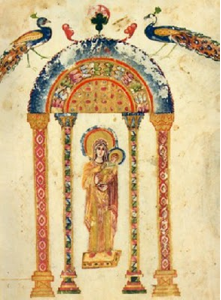














 The Liturgy is the most powerful and effective form of prayer.



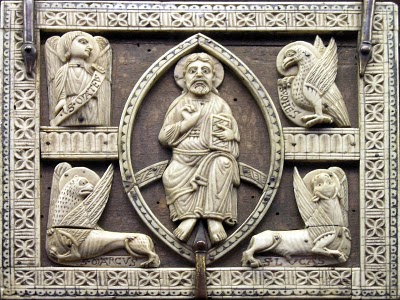
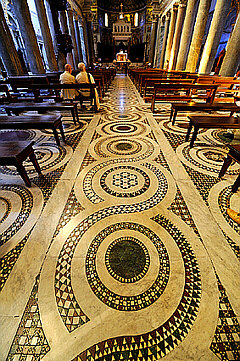


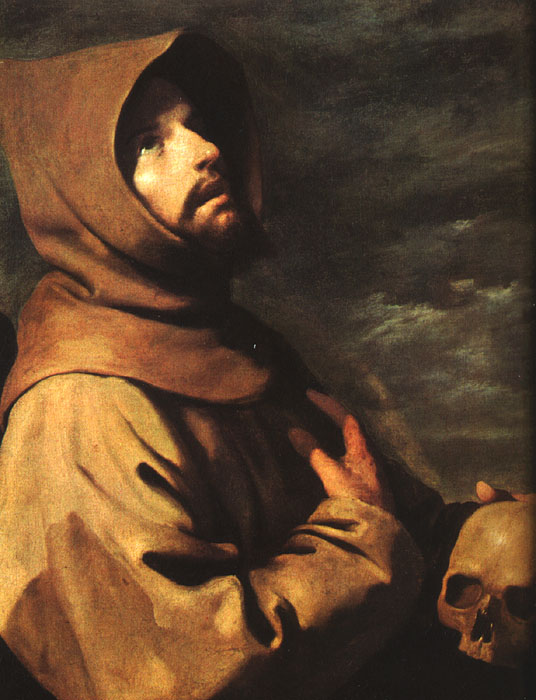 Engaging the Whole Person in Prayer Opens us up Further to Inspiration and Creativity - The Divine Office III,
  If in the context of the Liturgy our continuous prayer simultaneously engages the whole person then can we are opening ourselves up to the greatest degree possible to God’s grace. To the degree that we cooperate with grace this will help us make all our life decisions and help us to move towards the fulfillment of our personal vocation in life. This will be perfectly ordered also to the model of charity, that is, love of God. To the degree that we match these standards there will be perfect harmony with the objective standard of God’s will. This is the supernatural path to inner peace, peace with our neighbour and a life in harmony with creation.
 Chant:
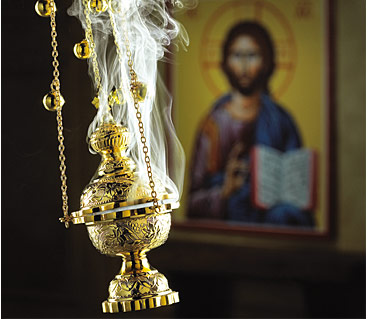 Incorporating the sense of smell






 How busy people can strive for the ideal of praying continuously. The Divine Office for lay people, part 2 (
 If all times in the day and all human activity (no matter how mundane) can be sanctified by praying the liturgy of the hours, as the Church tells us, then this is this is a wonderful gift by which we can open ourselves up to God’s inspiration and consolation in all we do, and the degree that we cooperate, all our activities will be good and beautiful; and will be infused with new ideas and creativity. And we will have joy.
 Even if we accept this and want to benefit from it, it is a huge problem for most lay people. If you get the full cycle of prayer of seven Offices in the day for seven days of every week in the year it adds up to a three or four volume set. Priests and religious who are obliged to pray it, devote a huge part of their lives to praying the liturgy of the hours. Benedictine monks can spend up to six hours a day singing the psalms in church. One might expect them to be able to cope as that is their special calling, but what about the rest of us?
 Mark the Hours
 So this is what I did: for the most part I tried to keep to the standard form of each Office as in the Liturgy of the Hours book I had been given (which was according the Roman Rite, it said in the front) and from that to the schedule of Compline at night and Lauds in the morning. However, in between I marked the hour with a short memorised prayer, sometimes just the Our Father, Hail Mary and Glory Be. If I could remember any, I tried to have just a line from a psalm. The ideal would be to memorise one psalm (and some are short!). This habit of continual prayer is what opens the door to the possibility of continuous prayer. The publication
  The experience of doing this has been so positive that I can't imagine not wanting to pray at least part of the Hours each day. As someone said to me recently, he found that the praying of the liturgy of the hours was like regular physical exercise: although it meant an investment of time, there was a sense that in doing so, time was created because work seemed more efficient and productive and things just seemed to go more smoothly during the day. We both felt the same. We couldn’t prove it, but once we had tried it, we were convinced of its value.


 An ancient beautiful prayer that leads us to joy, and opens us up to inspiration and creativity; part 1,
  If we pray in harmony with rhythms and patterns of the cosmos, especially the cycles of the the sun, the moon and the stars, then the whole person, body and soul, is conforming to the order of heaven. The daily repetitions, the weekly, monthly and season cycles of the liturgy allow us to do just that. In his book, the Spirit of the Liturgy, Pope Benedict XVI calls our apprehension of this order, when we see the beauty of Creation a glimpse into 'the mind of the Creator'. This conformity in prayer opens us up so that we are drawing in the breath of the Spirit, so to speak, as God chooses to exhale. It increases our receptivity to inspiration and God’s consoling grace and leads us more deeply into the mystery of the Mass.