

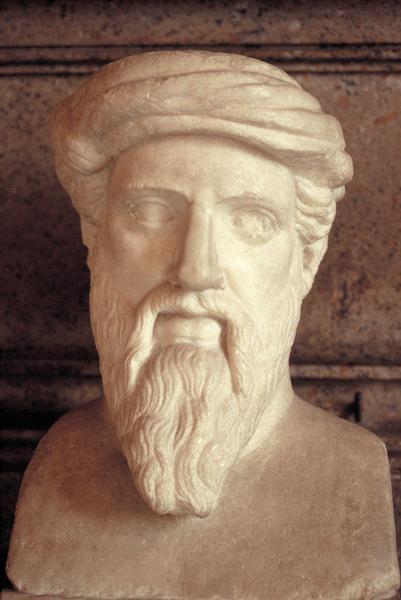
 The powerful prayer for creativity and inspiration and joy, which is perfected in the Church (Others in series on Divine Office here) Since the ancient Greeks there has been the idea that the happy life is the result of a good life, and a good life is a beautiful life. In the 6th century BC the philosopher Pythagoras (the same one who has a geometric theorem named after him) gathered around him a religious group of ‘Pythagoreans’ who sought to order their lives according to this principle of beauty and order. They drew their inspiration from their observations of the beauty of the cosmos. When viewed in the way of the Pythagoreans, making our actions and work beautiful becomes a guiding principle in life, just like morality. Morality tends to guide by placing boundaries on our activity – it tells us what not to do. This is necessary. Beauty, however, complements this by providing a positive principle of choice. When looking at the broad open field of choices that do not contravene moral law, it opens up new paths and gives us a principle to choose between options which may all appear to be morally neutral.
 How do we know what the beautiful choice is? The Greeks noted that the cosmos is both ordered and is beautiful. (The word ‘cosmos’ means in Greek simultaneously order and beauty.) This connection points us to the idea that when we find something beautiful, it is the order within it that is appealing to us. They also noticed, long before the development of modern science, that the rhythms and patterns of the cosmos could be described numerically; and this numerical ordering could become, at least in part, a principle for ordering life. Time and space can be ordered numerically, whether it’s the hours in the day, or the dimensions of a building. Pythagoras is described by Plato as being the discoverer of the numerical order behind beautiful musical harmony and his influence in this area continues to this day.
The Greeks were not the only ones. Long before Christ, the Jewish people ordered time in accordance with these principles: years, months, weeks, days and hours in conformity with the patterns of the cosmos, especially the sun and the moon. They were prompted to do by the revelation contained in Holy Scripture. For the Jewish people the cosmos was a heavenly signpost, created by God, to indicate also the rhythms and patterns and worship. The seven-day weekly cycle, the feast days and the seasonal cycles of their worship conformed to the phases of the moon and the rising and setting of sun. Within each day, there was a seven-fold prayer as well, with the addition of prayer during the night. This structure was the route to joy too. The Psalms especially stress that happiness is the result of following this path. ‘Blessed are the undefiled in the way, who walk in the law of the Lord.’ (Psalm 118:1)
 Greek temple in Segesta, Sicily. Pythagoras lived in Sicily
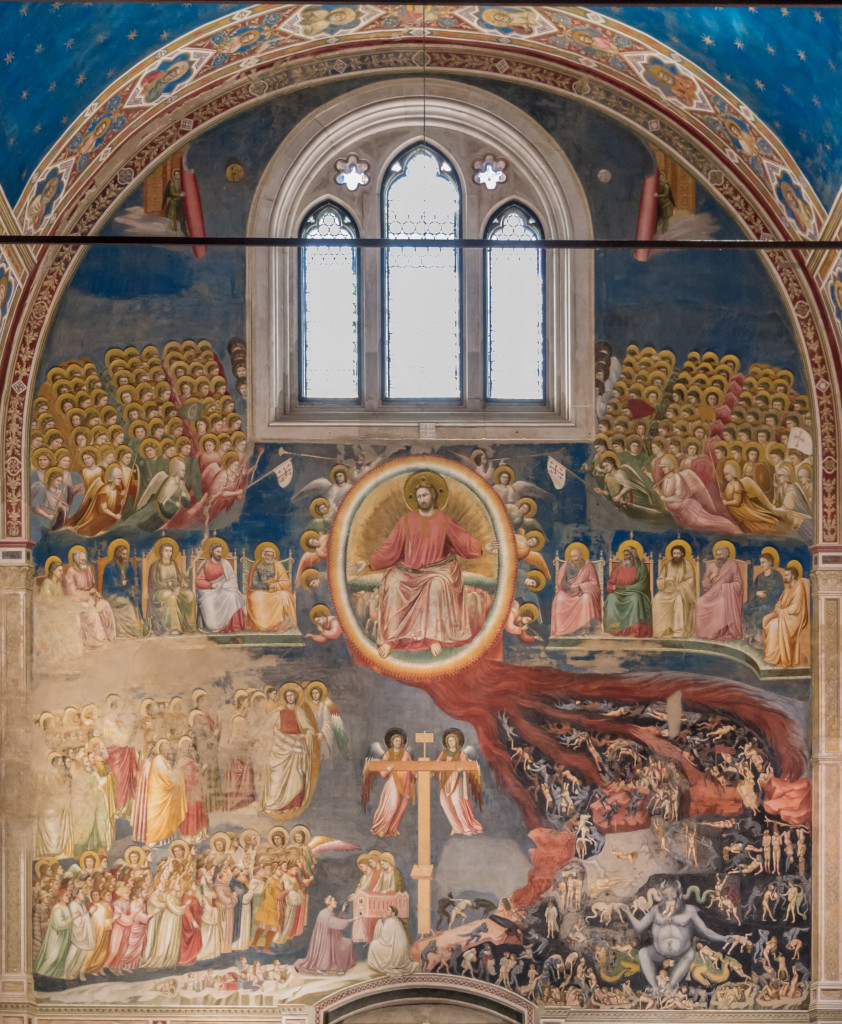
This ancient pattern was adopted and accommodated into Christian worship (see The Path to Heaven is a Triple Helix). The Christian fathers, especially figures such as Augustine made this connection between the liturgy and the Pythagorean description of the cosmos (The Spirit of the Liturgy by Pope Benedict XVI describes this), to give a sense that that the cosmos was made beautiful to direct our praise to God and both this earthly liturgy and the cosmos are not only in harmony with each other, but each reflects the order of the invisible standard of the heavenly liturgy – the unending praise of God by the saints in heaven. The connection between heaven and earth was made substantial in the Church’s worship, through the Mass. The body and blood of Christ, present under the appearance of bread and wine at the centre of the Mass is the meeting point of all that exists, seen and unseen. In Him all the patterns of order and beauty are embodied, for He is Beauty itself. He is the Creator of the cosmos and it bears the thumbprint of the one who fashioned it. In the Mass we actually ingest Beauty.
 Let us recall that image of the Mass as a jewel in the setting of the Liturgy of the Hours which is in turn a jewel set in the cosmos. Through this trail of beauty, the connection between the heavens and Heaven is made complete. The Pythagoreans inspired by beauty, prayed with the cosmos. The Jews, inspired by Scripture prayed the liturgy of the hours by praying the psalms at certain times of the day. Christianity is the deepest drawing together of these elements in the Eucharist, which is the source and summit of human life. Each leads us into the next, and each completes the former. This is the prayer that the Pythagoreans sought and, I’m guessing, would have loved to have known. It is the fullest source of beauty and joy.
Praying the Liturgy of the Hours and the Mass is the deepest education in beauty there is, it impresses upon our very souls the patterns of beauty – of the cosmos, of heaven, of Christ. It also opens us up to God’s inspiration just as He bestows it. We draw spiritual breath as He exhales, so to speak. This developed innate sense of the beautiful shapes and guides our imaginations. Because our prayer is engaging the whole person and engaging all the senses, it develops our ability to create beauty in our work, whatever we do, because we understand how it will appeal to others through their sensual perception.
Those who want to learn to do the Divine Office, you might approach a priest or religious (ie monk or nun) and ask them to show you. Alternatively, the Way of Beauty summer retreats at Thomas More College of Liberal Arts will teach you how to pray the Liturgy of the Hours and how you can realistically incorporated it into a busy working or family life
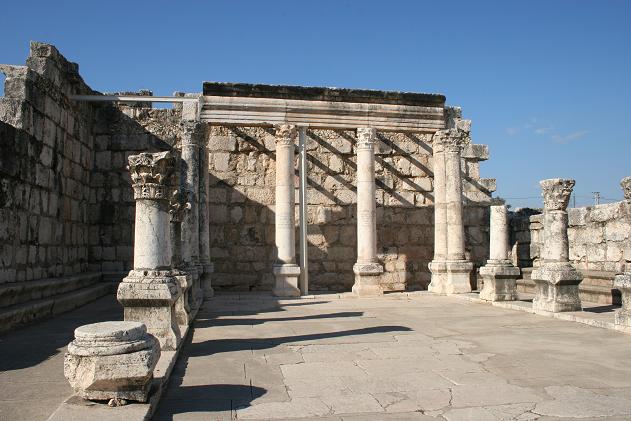
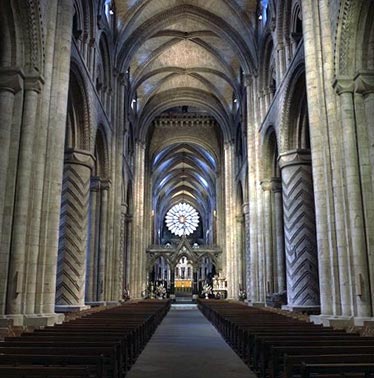
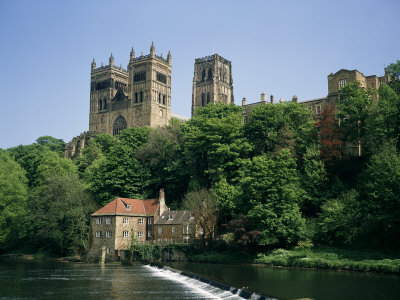
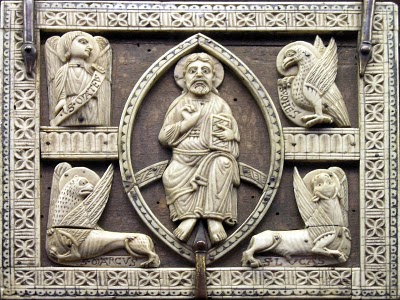
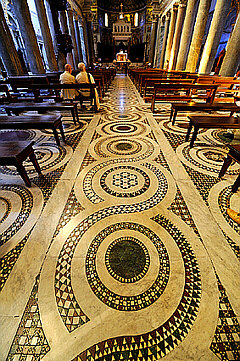
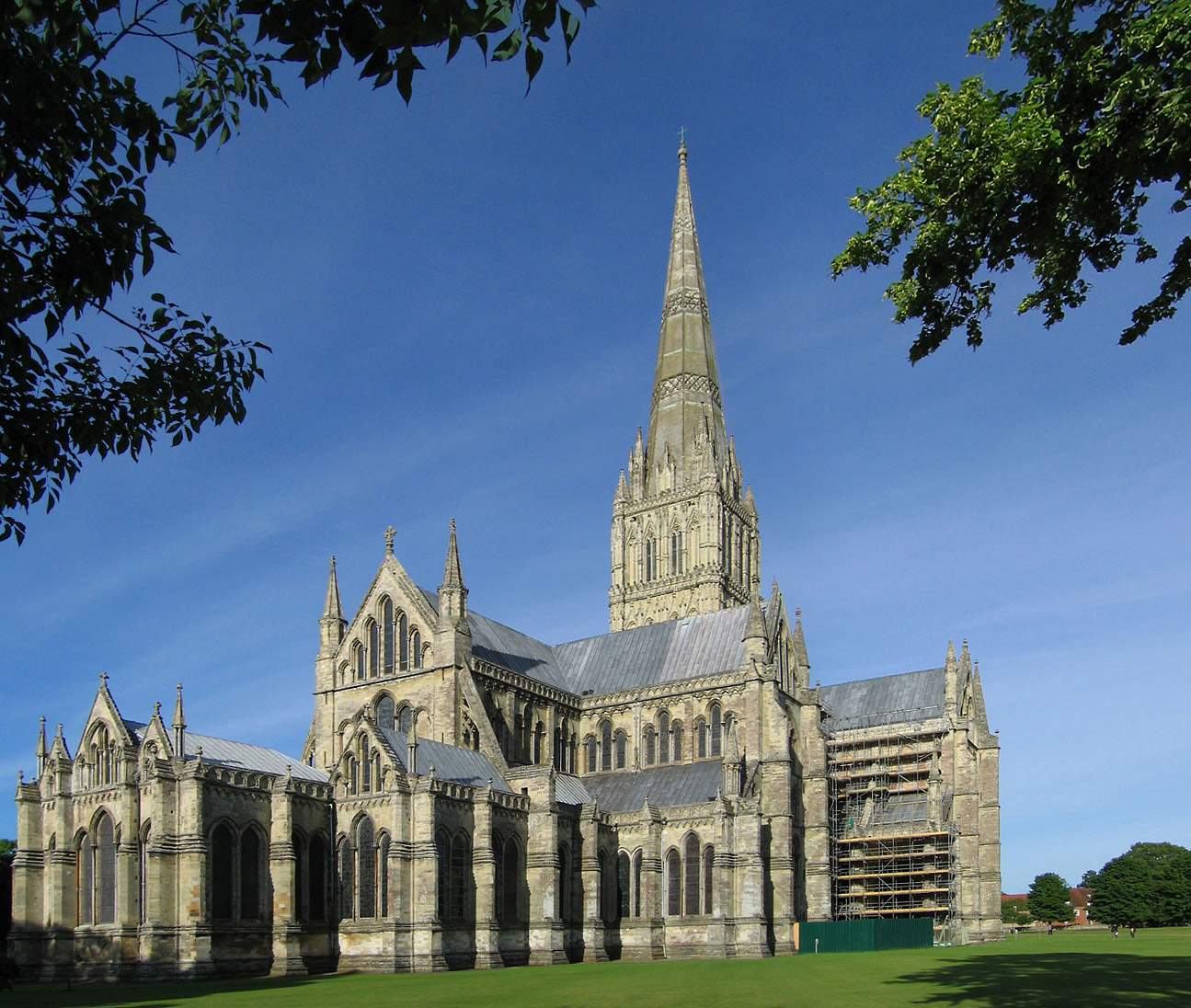
Images above: Pythagoras and an ancient synagogue in Capernaum. Below: the Romanesque Cathedral at Durham in the northeast of England.

 The Liturgy is the most powerful and effective form of prayer.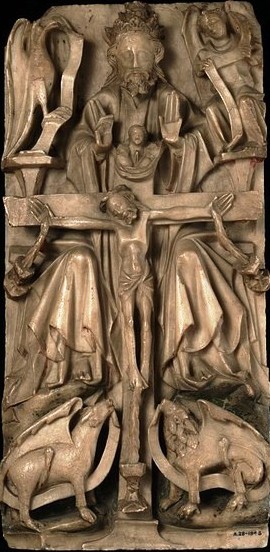

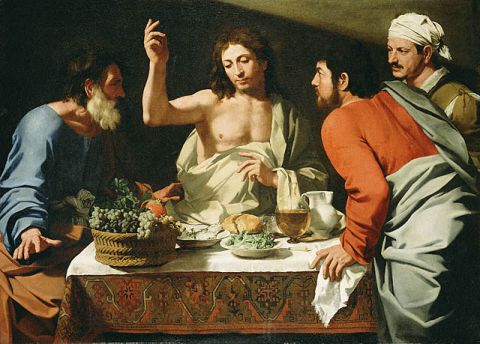


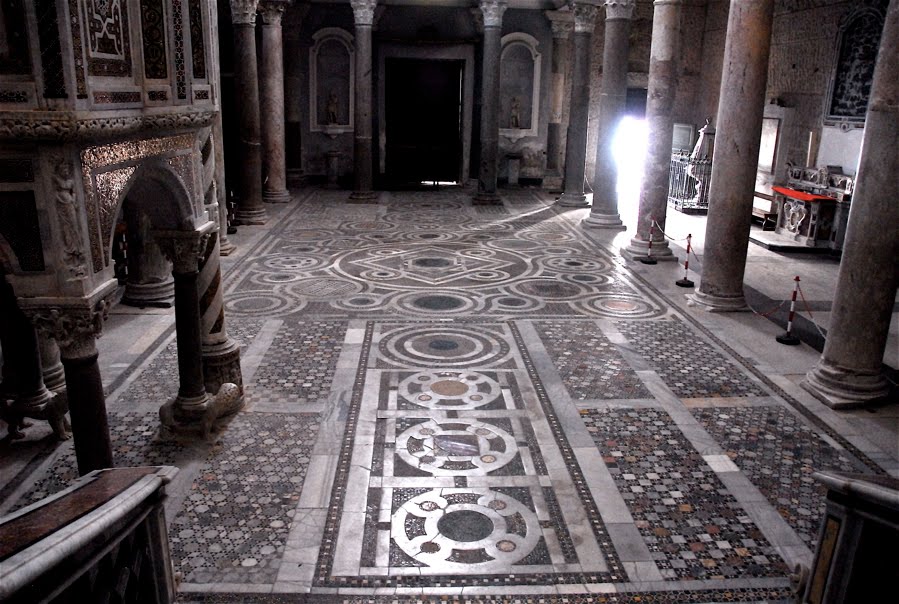


 Engaging the Whole Person in Prayer Opens us up Further to Inspiration and Creativity - The Divine Office III,
  If in the context of the Liturgy our continuous prayer simultaneously engages the whole person then can we are opening ourselves up to the greatest degree possible to God’s grace. To the degree that we cooperate with grace this will help us make all our life decisions and help us to move towards the fulfillment of our personal vocation in life. This will be perfectly ordered also to the model of charity, that is, love of God. To the degree that we match these standards there will be perfect harmony with the objective standard of God’s will. This is the supernatural path to inner peace, peace with our neighbour and a life in harmony with creation.
 Chant:
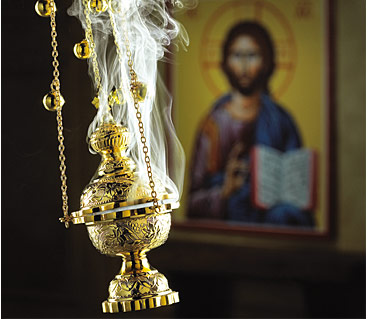 Incorporating the sense of smell






 How busy people can strive for the ideal of praying continuously. The Divine Office for lay people, part 2 (
 If all times in the day and all human activity (no matter how mundane) can be sanctified by praying the liturgy of the hours, as the Church tells us, then this is this is a wonderful gift by which we can open ourselves up to God’s inspiration and consolation in all we do, and the degree that we cooperate, all our activities will be good and beautiful; and will be infused with new ideas and creativity. And we will have joy.
 Even if we accept this and want to benefit from it, it is a huge problem for most lay people. If you get the full cycle of prayer of seven Offices in the day for seven days of every week in the year it adds up to a three or four volume set. Priests and religious who are obliged to pray it, devote a huge part of their lives to praying the liturgy of the hours. Benedictine monks can spend up to six hours a day singing the psalms in church. One might expect them to be able to cope as that is their special calling, but what about the rest of us?
 Mark the Hours
 So this is what I did: for the most part I tried to keep to the standard form of each Office as in the Liturgy of the Hours book I had been given (which was according the Roman Rite, it said in the front) and from that to the schedule of Compline at night and Lauds in the morning. However, in between I marked the hour with a short memorised prayer, sometimes just the Our Father, Hail Mary and Glory Be. If I could remember any, I tried to have just a line from a psalm. The ideal would be to memorise one psalm (and some are short!). This habit of continual prayer is what opens the door to the possibility of continuous prayer. The publication
  The experience of doing this has been so positive that I can't imagine not wanting to pray at least part of the Hours each day. As someone said to me recently, he found that the praying of the liturgy of the hours was like regular physical exercise: although it meant an investment of time, there was a sense that in doing so, time was created because work seemed more efficient and productive and things just seemed to go more smoothly during the day. We both felt the same. We couldn’t prove it, but once we had tried it, we were convinced of its value.


 An ancient beautiful prayer that leads us to joy, and opens us up to inspiration and creativity; part 1,
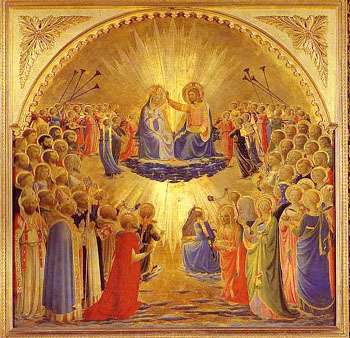
  If we pray in harmony with rhythms and patterns of the cosmos, especially the cycles of the the sun, the moon and the stars, then the whole person, body and soul, is conforming to the order of heaven. The daily repetitions, the weekly, monthly and season cycles of the liturgy allow us to do just that. In his book, the Spirit of the Liturgy, Pope Benedict XVI calls our apprehension of this order, when we see the beauty of Creation a glimpse into 'the mind of the Creator'. This conformity in prayer opens us up so that we are drawing in the breath of the Spirit, so to speak, as God chooses to exhale. It increases our receptivity to inspiration and God’s consoling grace and leads us more deeply into the mystery of the Mass.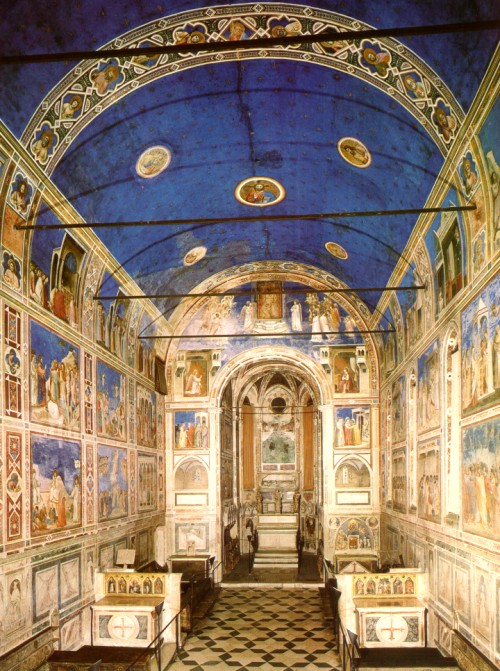



 Scripture, Part of the Foundation of Joy (part three; part one
  And so whenever anyone discovers some part of the treasure, he should not think that he has exhausted God’s word. Instead he should feel that this is all that he was able to find of the wealth contained in it. Nor should he say that the word is weak and sterile or look down on it simply because this portion was all that he happened to find. But precisely because he could not capture it all he should give thanks for its riches.
 Scripture, Part of the Foundation of Joy (part two; read part one,
 This leads to the third stage, Oratio – prayer. So here I can ask God to show me how to act on something or help me in those areas that the meditation highlighted. The worry for me here was that sometimes I didn’t seem to have any profound lessons or thoughts to react to. This meant I didn’t know what to pray, except perhaps, ‘please give me some profound lessons or thoughts’. Here again I was given some helpful advice by someone with much greater experience than me. He said that quite often this happened to him and he didn’t think it was anything to worry about, he simply said some prayers in which he praised God for having this chance to hear his Word.
 Scripture, part of the foundation of joy (part one, part two tomorrow)
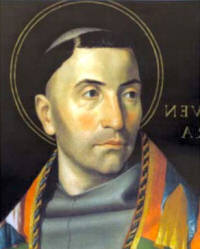 Here is St Bonaventure (whose picture is shown) from the Office of Readings of Monday Week 5 of the year:









 Shawn Tribe who writes at the